
Gardening
Recommended for your garden in the south of Spain: Paraserianthes lopantha
This shrub that flowers in late spring, is popular among pollinating insects, and produces pale, scented yellow flowers with bean-like seed pods inside
Denise Bush
Paraserianthes lophantha, commonly called cape or crested wattle, is a member of the Fabaceae family native to southwestern Australia.
This evergreen shrub or small tree can reach up to eight metres tall in ideal conditions, though it typically grows to around four metres with a spreading crown.
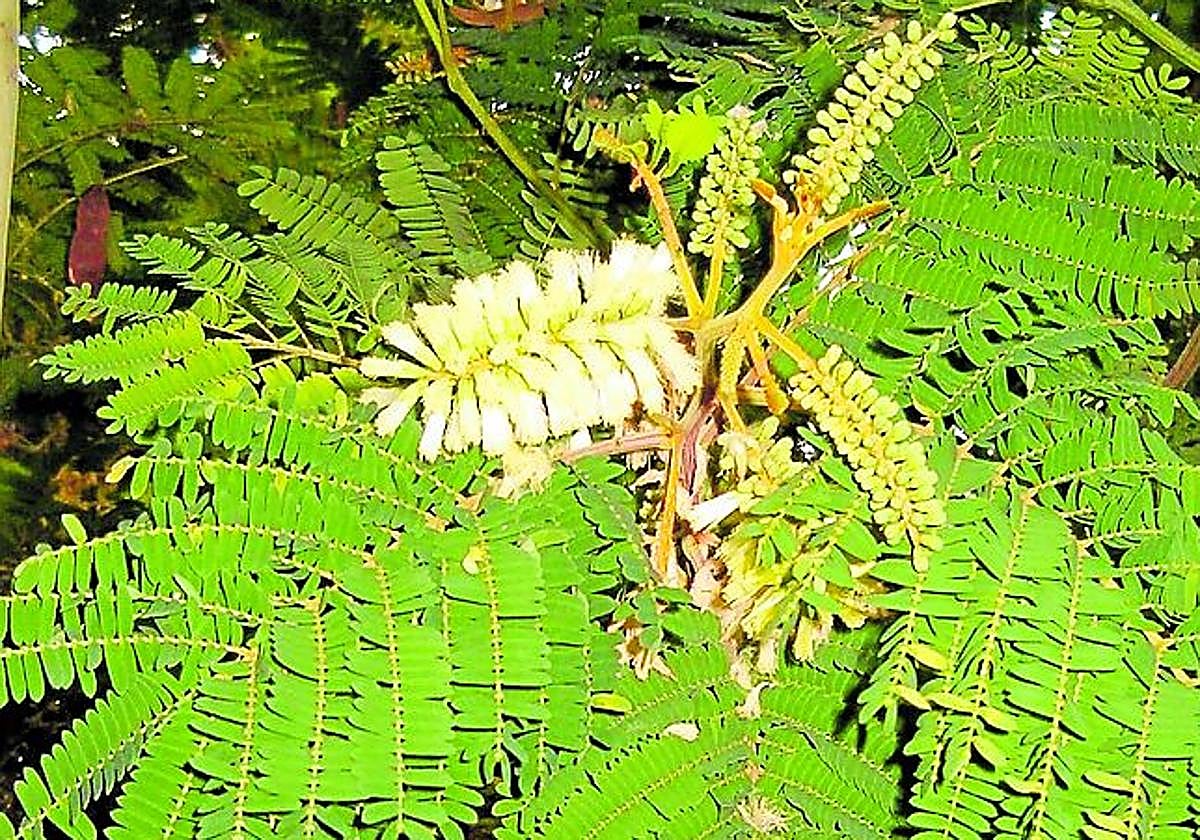
Paraserianthes lopantha has feathery leaves around 20cm long, and in late spring produces scented, pale yellow or cream bottle brush-like flowers in the leaf axils that attract bees and other pollinating insects. Dark brown, bean-like seed pods develop after flowering. Only the seeds of this plant are edible and were traditionally eaten as a vegetable, as the leaves and stems can cause mild stomach upset if consumed. Wear gloves when handling since skin contact may cause mild irritation in some people.
Once established, cape wattle tolerates some drought but isn't cold hardy, so container growing works well as the plant can be moved indoors or into a greenhouse during winter.
Propagate by cuttings taken in late summer or by seeds soaked in hot water for 12-24 hours before sowing.
Prune hard in late winter, cutting back to about a third of its size to promote healthy growth and plenty of vibrant flowers.
The genus name Paraserianthes comes from the Greek 'para' meaning 'near' and the Malaysian genus Serianthes. Lopantha comes from the Greek 'lophos' meaning 'crest' as in a bird.
![[]](http://static.vocstatic.com/voc26/latest/assets/images/favicon/surinenglish/apple-touch-icon-57x57.png)