
Pets can also have insomnia
It primarily affects older dogs and it can be treated with medication
Carmen Barreiro
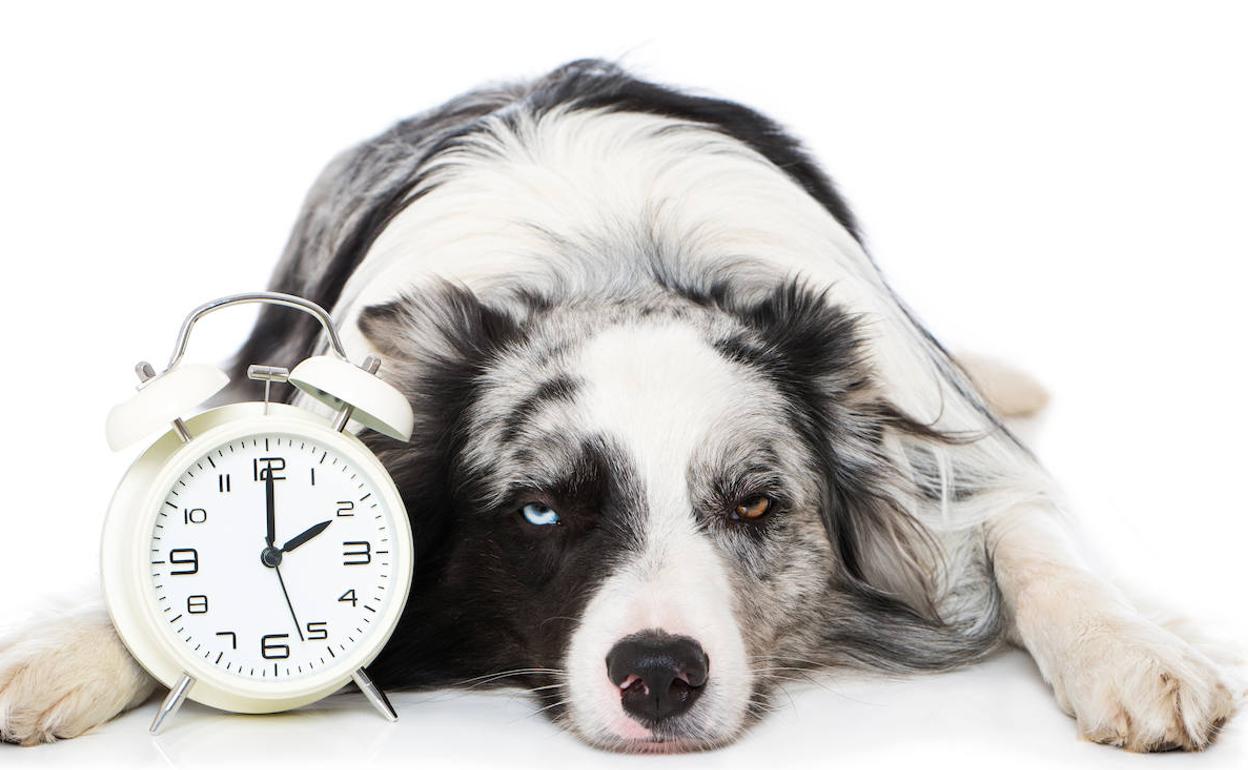
If you ever found your dog wandering your home in the middle of the night or you’ve noticed that it doesn’t seem to sleep through the night lately, don’t rule out that your pet has insomnia. Because, even though it sounds a little strange, pets can also find it tough to get to sleep. “It’s not a common disorder, but there are cases,” said María Luisa Fernández Miguel, president of the Tenerife Veterinary School and spokesperson for the small animals section of the Spanish Collegiate Veterinary Organization (OCV).
Dogs, for example, adapt well to the habits of the herd and don’t often have problems adjusting to the schedule of the family they live with. However, their sleep patterns change over the years and in some cases they can develop illnesses similar to senile dementia found in humans, which includes, among other symptoms, episodes of insomnia. This is known as cognitive disfunction syndrome and it affects older dogs. “When they’re older it’s more common for them to have a higher nocturnal activity and for them to wake up several times during the night. Also, they do things that don’t really make sense: they roam around the house, they start walking in circles, etc. Living with an animal with this type of disfunction is complicated because it breaks the family’s sleeping routine. It’s important to be aware of it and adapt to the pet’s new rhythm,” said María Luisa Fernández, who is also in charge of coordinating the rescue of animals on the island of La Palma following the eruption of the Cumbre Vieja volcano.
Even though this syndrome doesn’t have a cure, there are treatments that help mitigate the symptoms. “As a general rule, the prescribed medications help with blood flow towards the brain. The cognitive disfunction is linked to how well it works as an organ, meaning that if the blood flow can be improved, the dog will be able to sleep better,” the OCV explained.
Another cause that could end in “sporadic episodes” of insomnia in pets is a diet poor in nutrients, excessive eating or eating something that is “harder to digest.” External stimuli, such as noise, strong lights or smells can also affect pets’ rest. And that’s without forgetting health problems. “Insomnia in animals doesn’t have a psychological component, as we find in humans. Let’s say that they don’t worry about it, which is why if they have a bad night it’s usually attributed to a one-off illness or soreness,” said María Luisa Fernández.
How can we tell if a pet isn’t sleeping well? The signs are “different and varying.” It spans from behavioural changes (fatigue, loss of interest in daily activities...), moods (irritability, lack of energy...), howling or meowing all the way to physical or nervous appearance”.
Sleeping patterns
- Dogs need between ten and 14 hours sleep, while cats need 12 to 16 Pets, just like humans, also need to sleep a certain amount of hours to wake up well rested and with good spirits. According to vets, dogs sleep between ten and 14 hours (mostly during the night), while cats are sleepier and need 12 to 16 (they recover most of their energy during the day). The ambient temperature is another factor that affects pets’ sleep. Cats and dogs will sleep a lot more during hot days and will be more active during the night, when temperatures drop. Very cold or humid places can also cause one-off episodes of insomnia in animals. And the place where they sleep is important (it shouldn’t be uncomfortable, or near any draughts...).
Late night walks
However, sleep problems shouldn’t be confused with some pets’ sleeping patterns. Cats, hamsters and ferrets are crepuscular animals and are active when night falls. “It’s not unusual that a cat is half asleep during the day and then, at night, jumps around the whole house. This nocturnal activity has nothing to with insomnia nor with sleeping disorders, it’s just their nature,” she said.
The problem is that it’s not always easy to adapt to their habits, like with hamsters. “Children usually handle hamsters during the day as a way of playing with them and the animal hardly reacts. They only want to sleep. But when night falls they get on their wheel and don’t stop. They can be noisy for hours on end.”
One of the tips that vets give to ensure that animals don’t have sleep problems is for them to be tired before going to bed. “A dog that hasn’t really gone outside all day will want to run around and express itself during the night. Even though for us it’s a nuisance because we don’t always have the time nor energy, it’s recommended that you take your dog on a long walk at 8 or 9pm. What they need is for us to dedicate some time to them as close to nightfall as possible.” As for cats, you can play with them for “a long while” so that they tire out: make them run in the hallways, throw balls for them, point lasers at the wall...
![[]](http://static.vocstatic.com/voc26/latest/assets/images/favicon/surinenglish/apple-touch-icon-57x57.png)