
Foreign influencers in southern Spain
Antonio Machín: The 'most Spanish of Cubans'
The Cuban singer's influence on Spanish music has been recognised with monuments, streets and plazas in Alicante, Barcelona and Seville
Tony Bryant
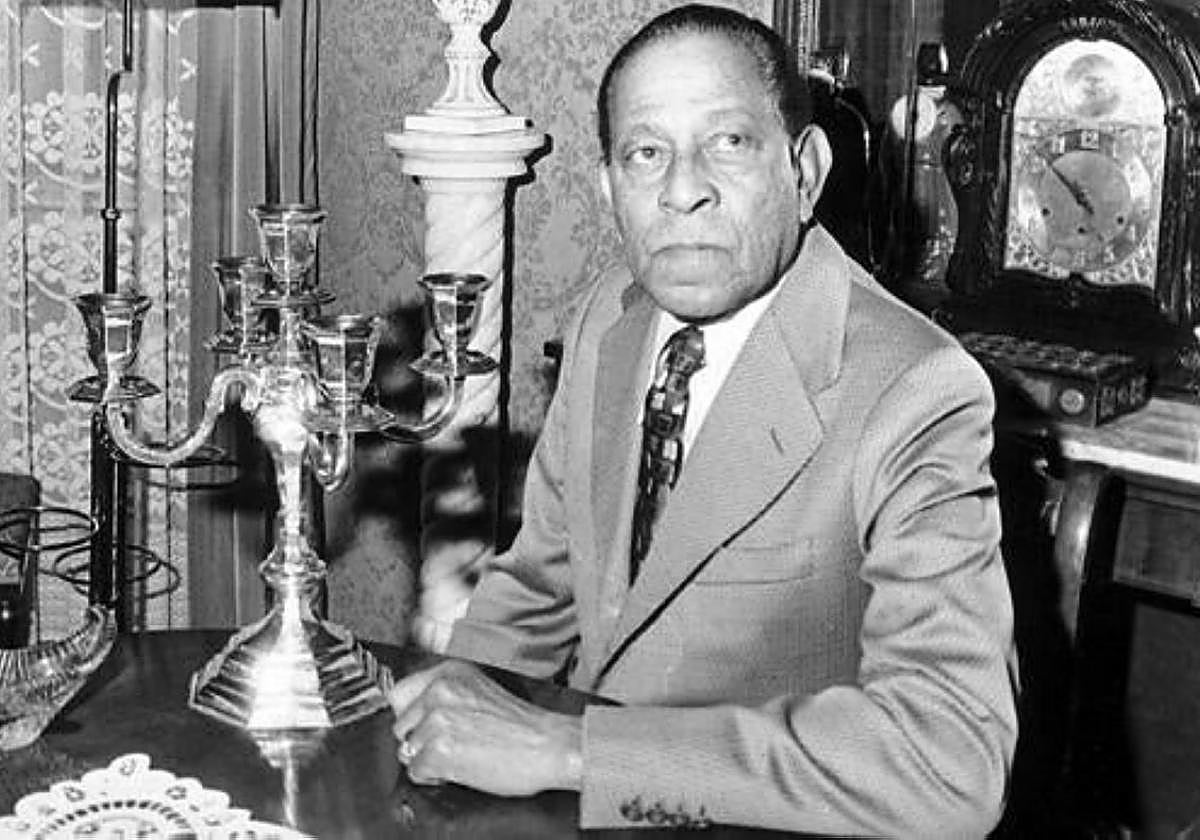
Cuban singer Antonio Machín received widespread acclaim throughout Spain in the middle of the 20th century due to his influence on Spanish music. Machín, who is said to have found everything he was looking for in Spain, loved Madrid, Seville and Alicante, where he spent his holidays in the district of Playa de San Juan.
Known as "the most Cuban of Spaniards and the most Spanish of Cubans", the master of boleros, a genre which originated in eastern Cuba in the late 19th century, first arrived in Barcelona in 1939.
The award-winning singer next headed to Seville because he had a brother who had lived in the city since the 1920s. He also brought several members of his family from Cuba to live in the capital of Andalucía. In 1943, he married María de los Ángeles Rodríguez in Seville, a marriage from which his daughter Irene was born.
He made his name in Barcelona nightclubs, such as Shanghái (later renamed Sala Bolero). His first hit in Spain was Noche Triste, a melodic foxtrot recorded with the Mihuras de Sobré orchestra, and a string of hits followed.
He recorded more than 60 albums in Spain with his group Cuarteto Machín, and his popularity grew until he was idolised by the masses, securing his position alongside some of Spain's legendary singers of the copla and popular music.
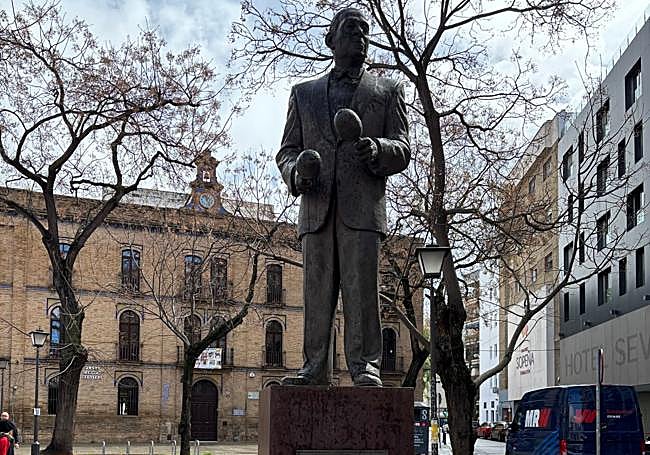
His achievements on the Spanish music scene of that time have been recognised with numerous streets and plazas named in his honour in Alicante, Barcelona and Seville. There are also bronze statues in Seville, and in Barcelona, where he was planning to retire shortly before his death at the age of 74 in Madrid in 1973. He was buried in Seville's San Fernando cemetery and his tomb has been a place of worship each year on the anniversary of his death, when members of his family and fans congregate to sing boleros and sprinkle his favourite tipple, rum, on his grave.
![[]](http://static.vocstatic.com/voc26/latest/assets/images/favicon/surinenglish/apple-touch-icon-57x57.png)