
Health
Why our hearts love carrots and other secrets
Tips for getting to know this important organ better
Solange Vázquez
Our hearts are full of ‘secrets’. And we are not talking about love and romance here - although that may also be true - but on a purely physiological level.
If we get to know our heart, we can take care of it a little better, something of vital importance. This organ and its ‘accidents’, such as acute myocardial infarction (heart attack) or cerebral infarction (stroke), are the main causes of death in the world: more than 17 million a year, in fact.
Although there are genetic and other factors beyond our control that make us predisposed to heart problems, we can act on others: hypertension, high cholesterol, diabetes mellitus, obesity, sedentary lifestyle, smoking, alcohol abuse, anxiety or stress...
“With small lifestyle changes we can reduce cardiovascular events and premature death, both in people with established cardiovascular disease and in those with risk factors,” said Tomás Fajardo, president of Cardioalianza, an organisation that represents cardiovascular patients in Spain.
To mark World Heart Day - held on 29 September - it is worth looking at some of the peculiarities of this busy organ, which weighs about 300 grammes and pumps 8,000 litres of blood a day.
-
A predilection for orange...
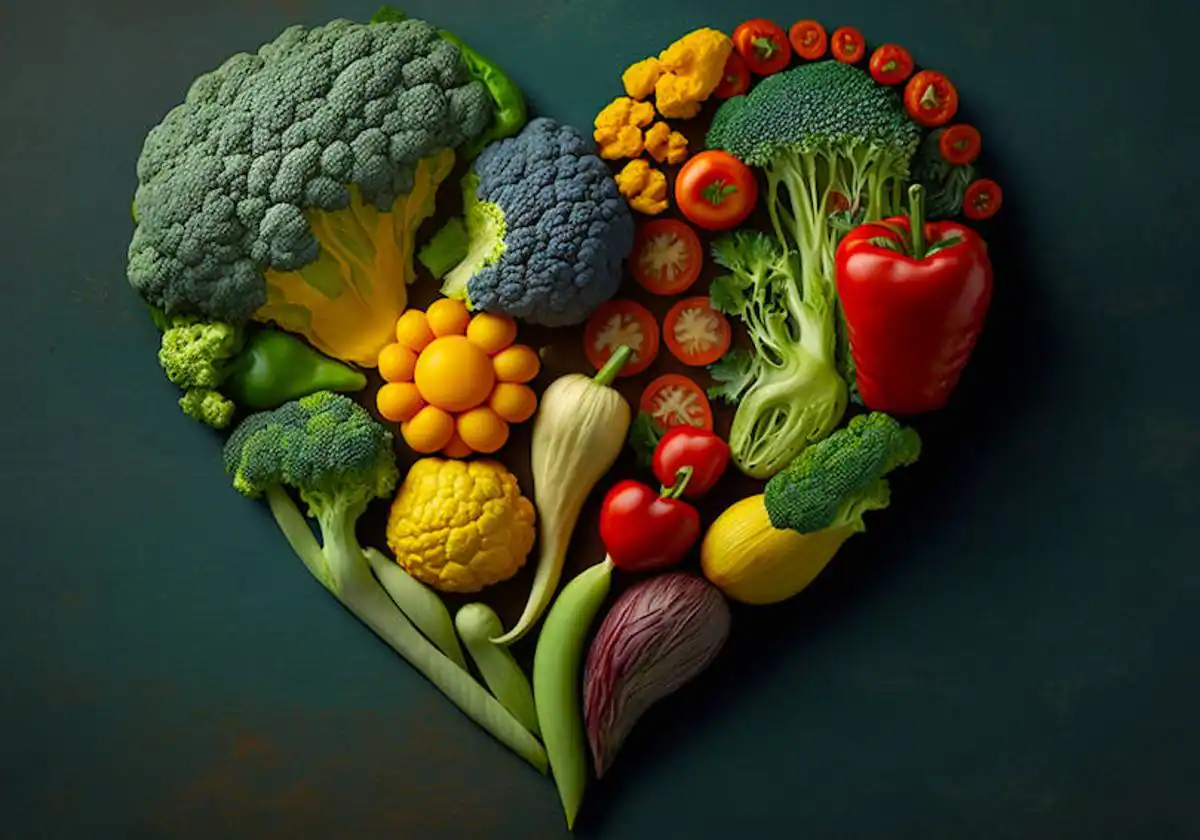
A high level of carotene in the blood - carrots are particularly rich in this substance - is related to a lower presence of atherosclerosis (the formation of fatty plaques that can cause heart attacks and strokes) and, therefore, to a lower risk of cardiovascular disease. This is the conclusion of a new study by a team of researchers in which the Universitat Oberta de Catalunya (Open University of Catalonia, UOC) has participated.
Gemma Chiva-Blanch, director of the study and lecturer at the UOC, explained that carotenes are bioactive compounds present in yellow, orange and green fruits and vegetables and that they have the potential, especially in women, to slow down atherosclerosis. So, what if we take supplements based on these foods? “It seems that, administered as a supplement, they have a harmful effect,” warned Chiva-Blanch.
-
... and for these foods
If we were to prepare a special menu for our heart, what other things would we need to keep it happy?
Olive oil (it has heart-healthy properties and, if it is extra virgin, all the better), walnuts (they help to reduce bad cholesterol levels), pulses (four portions a week have cardioprotective effects), oily fish (taken twice a week it prevents thrombus formation), red-purple fruits of the forest (very rich in polyphenols, with antioxidant and anti-inflammatory activity) and garlic (rich in allicin, which is precisely responsible for its characteristic aroma, a substance that is very good for the heart). Plus: whole grains, spices (turmeric, curry, pepper) and green tea? Everything helps. “They should be consumed as part of a healthy diet, low in animal products, ultra-processed foods, salt and sugar,” stressed Chiva-Blanch.
-
20 years old ... and already affected
Prestigious doctor Valentín Fuster, in the framework of the IX Congress of Patients with Cardiovascular Disease held last week, revealed that cardiovascular disease begins at the age of 20 and starts in the arteries of the legs, albeit silently. So at this early age it is already necessary to control risk factors.
-
It does not renew itself
The heart needs to be cared for for many reasons, but here is a very simple one: it does not renew itself. Every organ has a rate of cell renewal. For example, the cells of the intestines are replaced every week, but the contractile cells of the heart (cardiomyocytes) have almost no capacity for renewal if they die, for example when you have a heart attack (and no blood or oxygen reaches them).
“Most of the cells in our heart are the same as the ones we had when we were born,” said Miquel Sandra Ortola, PhD in Developmental Biology at Spain’s National Centre for Cardiovascular Researchers.
“While we are foetuses and during the first days of life, humans can indeed regenerate the heart,” he says. But as we grow older, this ability is lost, something that science is trying to ‘fix’.
For this reason, Sandra Ortola details in an article published in The Conversation, the use of patches of artificial tissue generated with cardiomyocytes obtained from stem cells cultivated ‘in vitro’, putting infarcted people in hypoxia chambers, is being investigated.
-
Broken heart syndrome
And, if we are going to take care of the heart, we are going to save it from major unpleasantness, because it turns out that, yes, it can ‘break’.
There is broken heart syndrome - Takotsubo cardiomyopathy - which is a temporary heart failure with symptoms similar to myocardial infarction, but usually without fatal consequences.
It affects healthy women between 60 and 75 years of age who suffer a severe episode of stress and there are about 80,000 cases per year in Spain.
![[]](http://static.vocstatic.com/voc26/latest/assets/images/favicon/surinenglish/apple-touch-icon-57x57.png)