
Andalusian escapade
Aldeaquemada: A pearl in the heart of the Sierra Morena mountains
This spectacular location offers a unique experience for the adventurous traveller
Tony Bryant
Jaén
The province of Jaén is probably the lesser-known of the eight provinces of Andalucía among foreign travellers, but that does not mean that this historic region has nothing to offer those looking for the perfect getaway, especially during the cooler months. Apart from the city, Jaén offers no end of small towns and villages worth exploring, many of which are located in breathtaking natural environments that offer a unique encounter for the adventurous traveller.
One of these is Aldeaquemada, located in the Campiña Norte region of the province of Jaén, in the heart of the Eastern Sierra Morena mountain range, between the Despeñaperros natural park and the Cascada La Cimbarra natural area.
Pearl of the Sierra Morena
Known as the Pearl of the Sierra Morena, this small village, which has a population of fewer than 500 inhabitants, borders Ciudad Real to the north, with which it shares close cultural ties.
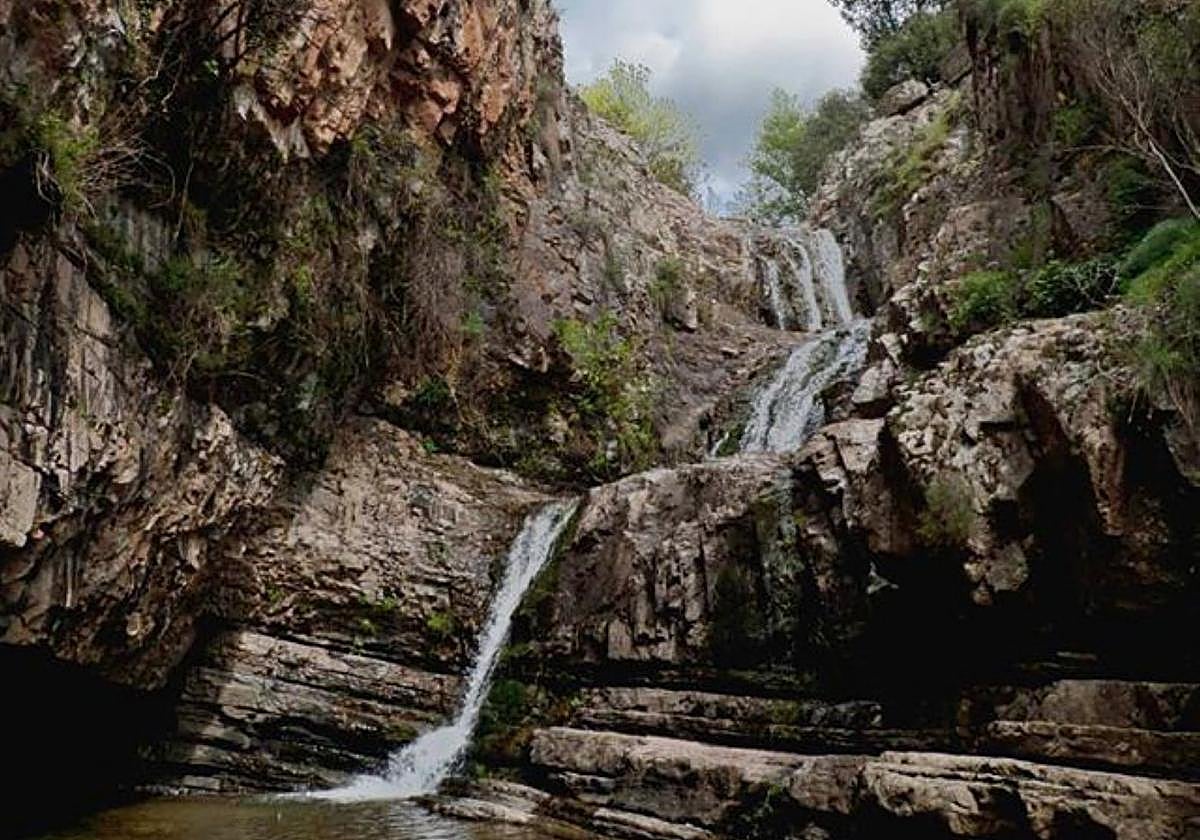
Surrounded by rolling countryside to the north and by hills and small mountain ranges to the south, Aldeaquemada has a special something that captivates every visitor, especially the Guarrizas river and La Cimbarra, a magnificent waterfall declared a natural site by the regional government in 1989.
You can immediately hear the thunder created by the force of the cascading water of this waterfall, which is about 40 metres high. Located just a few kilometres from the village, it is accessible via a well-maintained path along streams that flow through deeply entrenched gorges: the ideal place for hiking and admiring nature. In addition to this main waterfall, there are others in the area with marked trails, such as those to El Cimbarrillo and El Negrillo. Along this route, you can also discover a lagoon and water pools carved into the eroded rock, along with the remains of an old mill.
Another of Aldeaquemada's attractions is its more than 20 rock art sites, which received World Heritage status from Unesco in 1989.
Groups of paintings, scattered throughout the area surrounding the village, are thought to date back to the Stone Age. The sites were studied and catalogued in the early 20th century and today have become one of the main attractions for visitors to the area.
Rich and varied wildlife
The variety of ecosystems - Mediterranean forests and riparian woodlands - fosters the presence of rich and varied wildlife typical of the Sierra Morena mountains. This includes otters, deer, wild boar, foxes and genets, while numerous birds of prey nest in the area, notably the endangered Spanish imperial eagle, griffon vulture and eagle owl.
Due to its location, its gastronomy is largely based on the typical cuisine of hunters and shepherds, and includes dishes like potato stew with rabbit (calderillo) and miga de patata, made with potatoes, onion, green peppers, breadcrumbs and aromatic olive oil. The cuisine of this area uses extra virgin olive oil as an integrating element of a surprising and natural gastronomy that is manifested through the many dishes made with vegetables from its gardens.
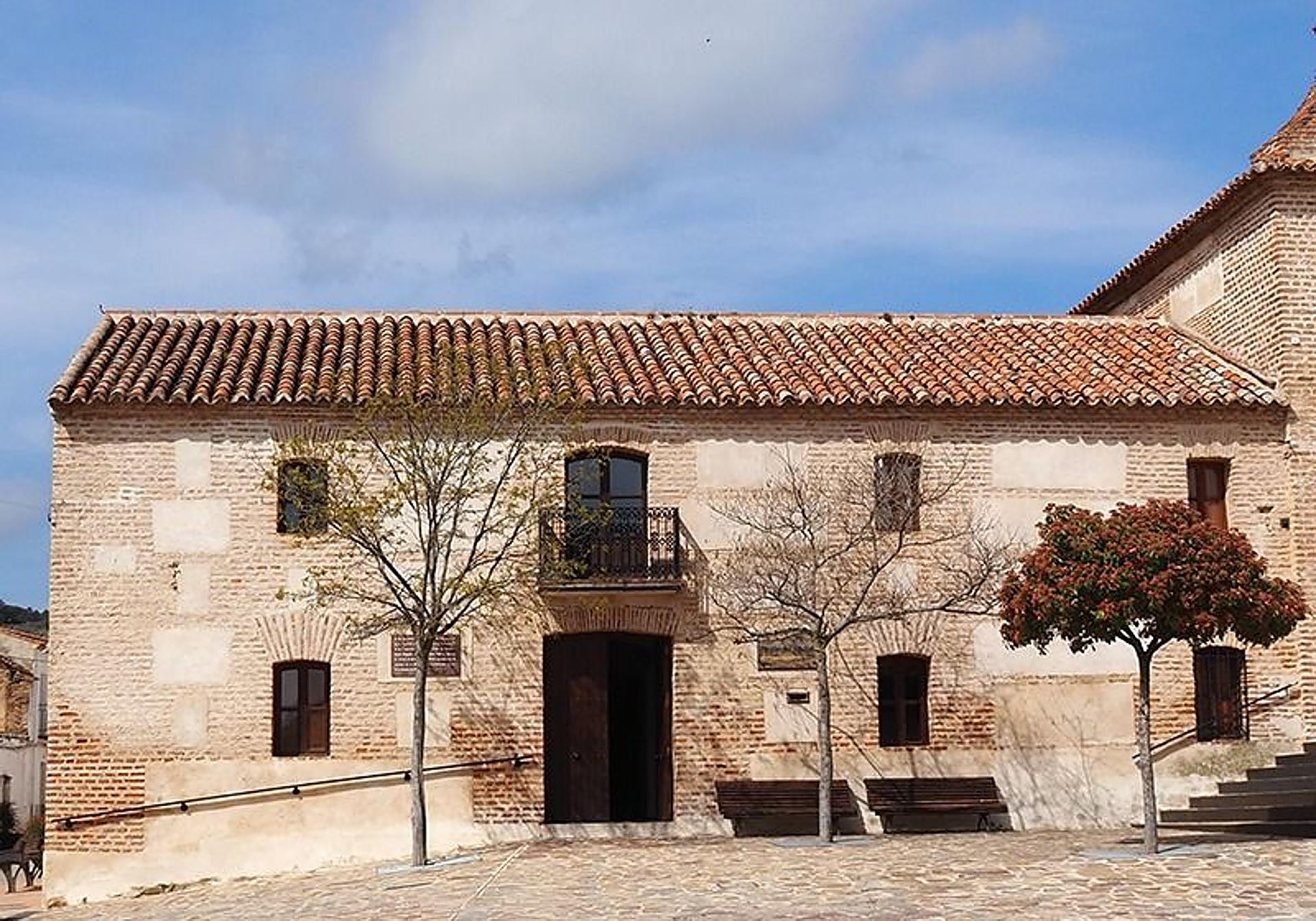
Along with traditional eateries that serve a variety of local specialties, the actual village boasts a wealth of historic sites and monumental heritage. The history of Aldeaquemada is linked to the new settlements project of Sierra Morena undertaken by King Carlos III in the 18th century and most of its current architectural heritage corresponds to this period.
Buildings that stand out include the civil commander's house, a building from the late 18th century, located on the left side of the church of the Immaculate Conception. This building is the only one (with the exception of the priest's house) that had a balcony because it was the seat of civil power in the parish.
![[]](http://static.vocstatic.com/voc26/latest/assets/images/favicon/surinenglish/apple-touch-icon-57x57.png)