Ten unusual products from Malaga province
Snails' meat and eggs, cactus brandy, mango gin and carrot vinegar are just a few of the strange items produced in and around Malaga province
JAVIER ALMELLONES / DENISE BUSH
Viernes, 6 de abril 2018, 11:14
In the last few years food manufacturers in Malaga have started to develop new, innovative products to tempt consumers.
A company called Caracoles La Dehesa in Villanueva del Trabuco produces one of the strangest - snails eggs. The tiny 'white pearls' are used as a caviar substitute and have been snapped up by chefs and gourmands alike.
Another snail product, snail pâté, is marketed by Alain Jubin, a Swiss chef in Cuevas de Becerro and head of the El Petit Gris company. Besides the pâté, he offers snail croquettes, snail pies, snails in sauce and snail meatballs.
Flavoured gins are definitely 'de moda' and a particularly delicious one is the 100 per cent natural mango gin produced by Ballix. The company even includes a small sachet of dried mango to steep in the gin.
Another alcoholic innovation is Sol&Sombra 'Oxén' (Ojén). It is a mixture of seven parts sweet anis and three parts aguardiente (brandy) aged in oak barrels. At 37º proof, it certainly packs a punch.
Finca La Giralda based in Ojén, also produces an aguardiente but this one is made from the prickly pear cactus or 'chumbo'. Only 3,000 bottles are made a year and only pure, natural ingredients are used.
The purple carrot has become famous in recent years for its antioxidant properties and is the main ingredient in a balsamic vinegar called Morá produced by Esali Alimentación in Antequera. The vinegar is also available caramelised and can even be used on desserts. Other products made from the purple carrot include crunchy snacks, jams and granular flakes.
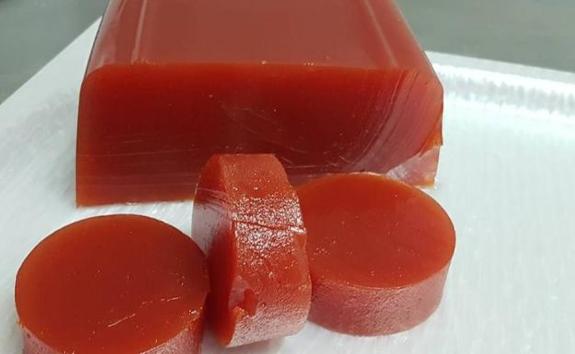
Another famous vegetable (actually a fruit!), the 'Huevo de Toro' tomato has been made into a jelly in Coín by the 'Coín Pá Comérselo' company headed by José Antonio Cañamero and his wife María Dolores Sibajas. It can be eaten with cheese, cooked meats or on toast.
Goat, not pork
Cured pork products are the mainstay of the Spanish diet but few have tried salchichón or chorizo made from goat. The Asociación Española de Criadores de la Cabra Malagueña in Casabermeja is helping to commercialise this new product. The goat sausages are low in fat and cured for four months. They are currently sold in a vacuum-packed 230-gramme format.
Provoleta
In Coín, La Hortelana make a cheese called Provoleta which is based on the recipe for an Argentinian cheese but made with Malaga goat's milk. It comes in two varieties, goat's milk provolone with thyme or with cherry tomatoes, oilive oil and oregano.
Last but not least is the olive oil made from the wild olive (acebuche). Aceites Mudéjar produce just 400 litres of this oil every year as it is difficult to find and harvest the olives, resulting in an oil that has higher nutritional properties than extra virgin olive oil and a higher price too.