
THE STORY BEHIND A PLACE NAME
Cabo de Gata: Abundant minerals, not female cats
Its literal translation would be 'cape of female cat', but the name actually comes from another meaning
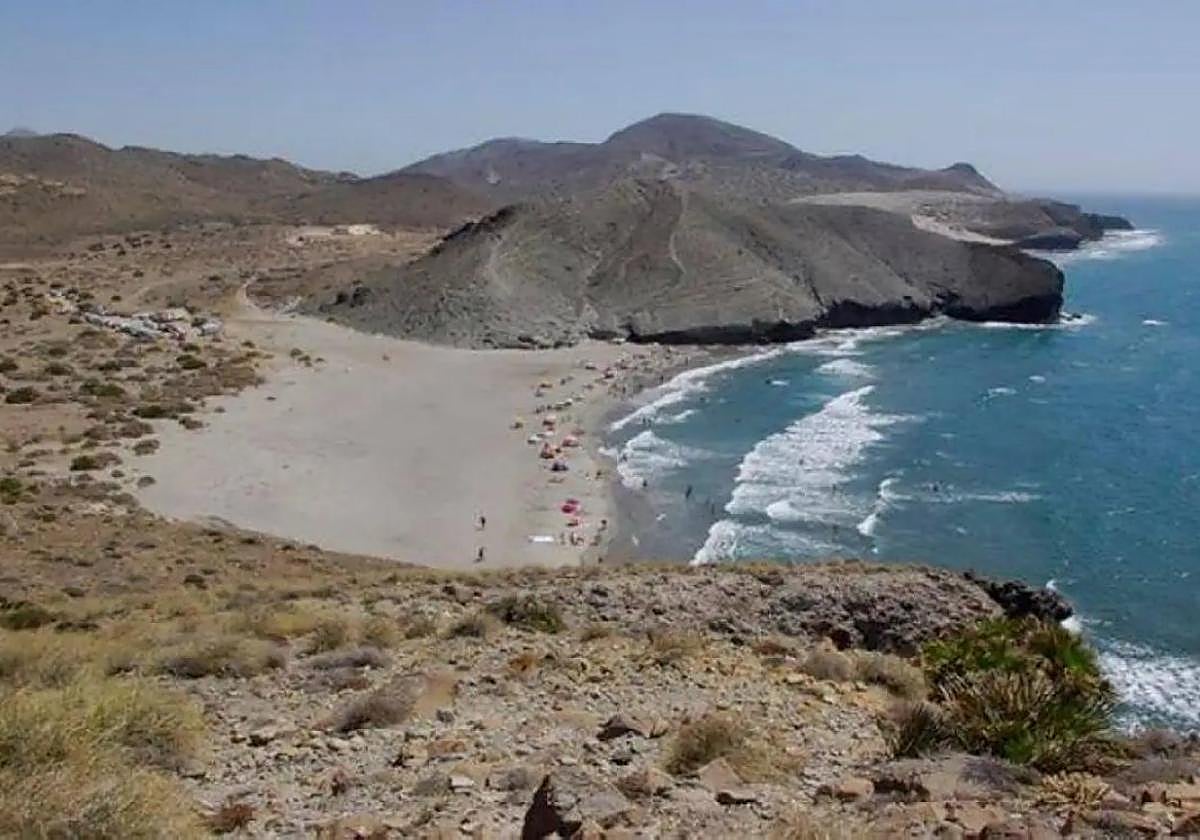

Cabo de Gata
Cabo de Gata-Níjar natural park was the first protected area of its kind in Andalucía and it is also recognised by Unesco as a Biosphere Reserve and World Geopark. It boasts 50 kilometres of steep cliffs and unspoiled beaches.
Mining has taken place in Cabo de Gata and in particular the area of Rodalquilar. According to geologist Francisco Hernández Ortiz, in his publication 'Las Minas de Rodalquilar', a Roman burial site was found in the area and that there are "vague indications" of mining activity during the Middle Ages but "they are never accompanied by hard evidence". Although it was during the Middle Ages that the first evidence of the name Cabo Ágata is recorded.
The Phoenicians had given the area its first name, Promontorio Charidemo, the Greeks dedicated a temple to the goddess Aphrodite in the area and the Romans later renamed it Promontorio de Venus and established fishing settlements.
Writing in 'Eco del Parque' an online publication on the Amigos del Parque Natural Cabo de Gata-Níjar website, Gloria Garrido writes, "Cabo de Gata probably received this name in the 14th century due to the profusion of agates found here, known as 'Hispanic agates', which were much sought after by Egyptian priests to make ornaments. The abundance was such that thirty years ago it was still possible to see turquoises and lapis lazuli rolling along the shore, camouflaged among the greenish-blue waters. And even today there are still enclaves such as El Hoyazo, in Níjar, where, if you poke around, you can find quartz and other minerals." But, she warns, "Removing them is forbidden."
![[]](http://static.vocstatic.com/voc26/latest/assets/images/favicon/surinenglish/apple-touch-icon-57x57.png)