
Coronavirus
This is what the 'new normal' looks like four years after Covid-19
Masks, PCRs and vaccines are here to stay, part of everyday life in Spain, four years after the WHO declared a pandemic in 2020

Madrid
Masks were for Asians, a vaccine (against the flu, adults did not have any others) was given once a year if you remembered, and PCR sounded like a computer component. But on 11 March 2020, when the World Health Organization (WHO) declared Covid-19 a pandemic, everything began to change. And although the same organisation decreed the end of the health emergency in May last year, those three years changed the world forever.
Deaths
Covid-19 continues to cause deaths in Spain, but at a much lower rate than in previous years. According to the latest cause of death report, published in December by the National Statistics Institute (INE), in the first half of 2023 (latest available data), 3,760 people died from the coronavirus, 82% fewer than in the same period of the previous year. Based on that figure, Covid-19 left between 6,000 and 7,000 people dead in 2023. In comparison with previous years, and according to the same INE report, in 2020, the first year of the pandemic, the virus caused 60,358 deaths; in 2021, 39,444; and in 2022, 31,606. Since March 2020, some 130,000 people have died from Covid-19 in Spain.
Masks
The last reminder that face masks are here to stay came in the first fortnight of this year, when the national and regional ministries of health decreed their compulsory use in health centres due to an upsurge in flu infections. During peaks of Covid-19 or flu infections or in response to the recommendations of the health authorities, a significant part of the population has accepted the use of the mask, something that did not exist before March 2020.
PCRs and self-diagnosis
Self-diagnosis without scientific basis has a long tradition in Spain, but this has also changed with the pandemic. Taking a PCR or other test to detect Covid-19 has become a familiar process for millions of people in Spain. Moreover, testing for Covid has opened a door that has been extended to other diseases and has shifted the focus to each citizen's own health. Prescription or over-the-counter, there are now self-diagnostic tests for flu, respiratory syncytial virus infection (RSV), HIV, female fertility, sperm quality and urine protein.
Vaccines
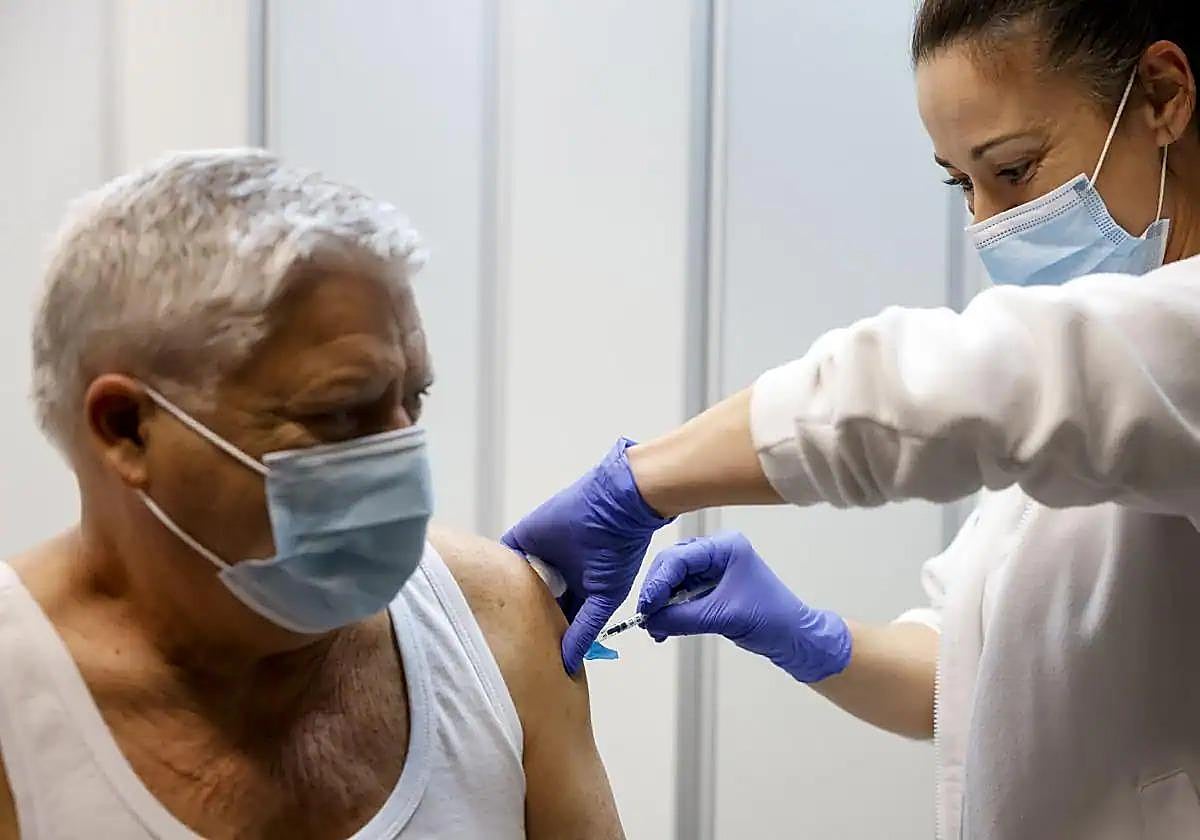
The last Covid-19 vaccination campaign took place in autumn last year, when the over-60s, healthcare workers and people with chronic diseases were called for their fifth jab. Depending on age, health conditions and factors, and if all requirements have been met, the general public has been vaccinated against Covid between three and five times. According to the ministry of health, 87.2% of Spaniards have one dose; 86% have two doses; and 56% have a booster dose (the third). And according to the latest vaccination report, published on 25 January, but only with data from the over-60s, less than half of this age group (46%) have received the fourth or fifth dose, already adapted against the latest variants of SARS-CoV-2.
Monitoring
The pandemic has forced Spain to strengthen the monitoring of respiratory viruses. In October 2020, the ministry of health launched the Acute Respiratory Infection Surveillance System (SiVIRA), a sentinel surveillance, i.e. one that systematically collects epidemiological data at a number of points.
This surveillance, which is carried out in hospitals and primary care, covers the three main respiratory viruses, SARS-CoV-2, influenza and syncytial. In addition, to counteract the weaknesses in the system that Covid-19 brought to light, a year and a half ago the ministry approved the creation of a national public health agency, which aims to prepare the response to health emergencies, public health advice and health risk communication. The project, however, is progressing more slowly than expected, among other reasons, because of the dispute over where its headquarters will be located. Parliament recently agreed to extend the deadline for submitting partial amendments to the bill.
![[]](http://static.vocstatic.com/voc26/latest/assets/images/favicon/surinenglish/apple-touch-icon-57x57.png)