
Traffic
Spain's traffic authority says that 'police will be flexible' to facilitate transition to V-16 beacons
Director of the DGT Pere Navarro has stated that the police's initial role will be more informative than punitive
SUR
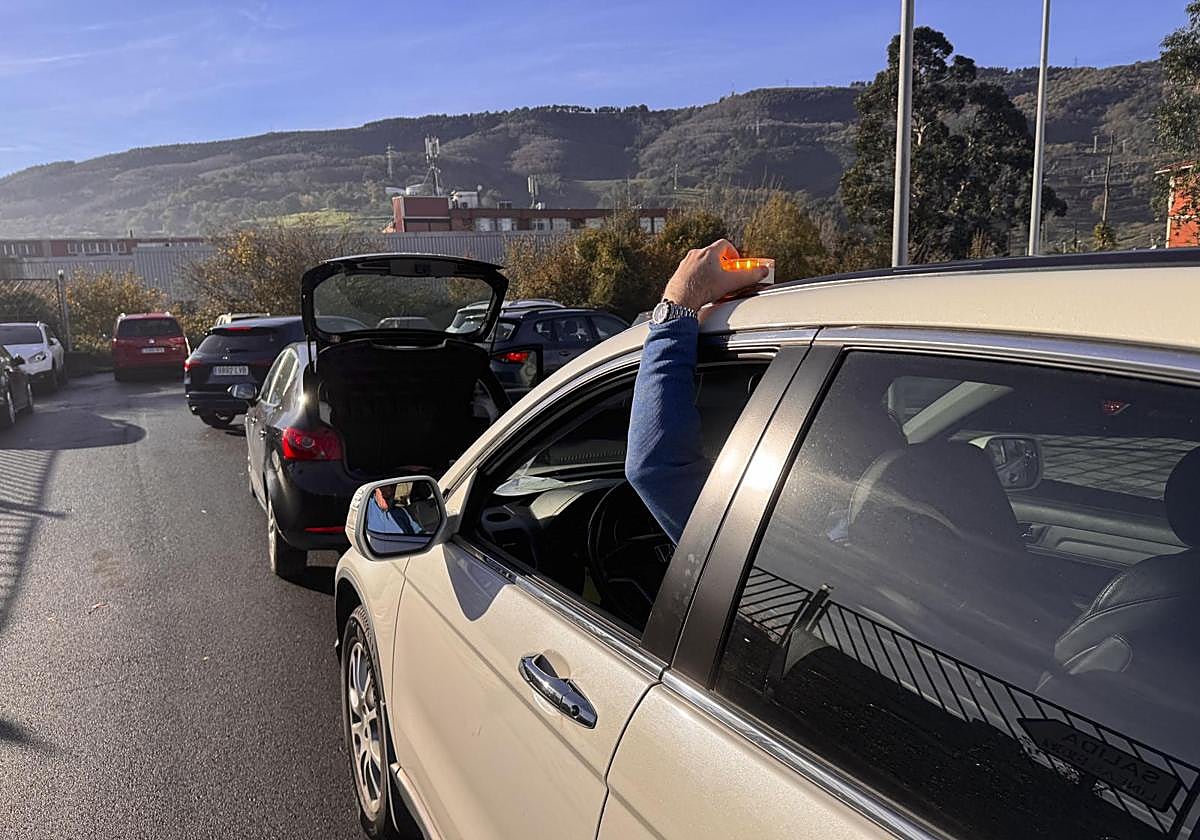
Director-general of traffic Pere Navarro has stated that there will be "no extension" to the obligation to carry the V-16 warning beacon in vehicles from 1 January 2026. This device will replace reflective warning triangles.
However, Spain's traffic authority (DGT) has confirmed that it is considering a transition period during which the police will be more flexible. During this time, their role will be more informative than punitive, as the main aim is for the new system to become established and for drivers to become familiar with it.
In the event of an accident, the V-16 beacon, which can be stored in the glove compartment, must be taken out and placed on top of the vehicle. When activated, authorised beacons will connect to the DGT 3.0 platform "to transmit location in real time and warn other road users of the situation".
The Spanish confederation of freight transport (CETM) has asked the DGT to issue an official and detailed statement on the supposed transition period so that there are no confusions or differing interpretations regarding its scope and deadlines.
It also points out that "any effective start of the sanctioning regime should be coordinated in advance with transport organisations in order to ensure that all companies and professionals are adequately prepared".
![[]](http://static.vocstatic.com/voc26/latest/assets/images/favicon/surinenglish/apple-touch-icon-57x57.png)