
Most hauliers in Spain return to work after agreement reached with government
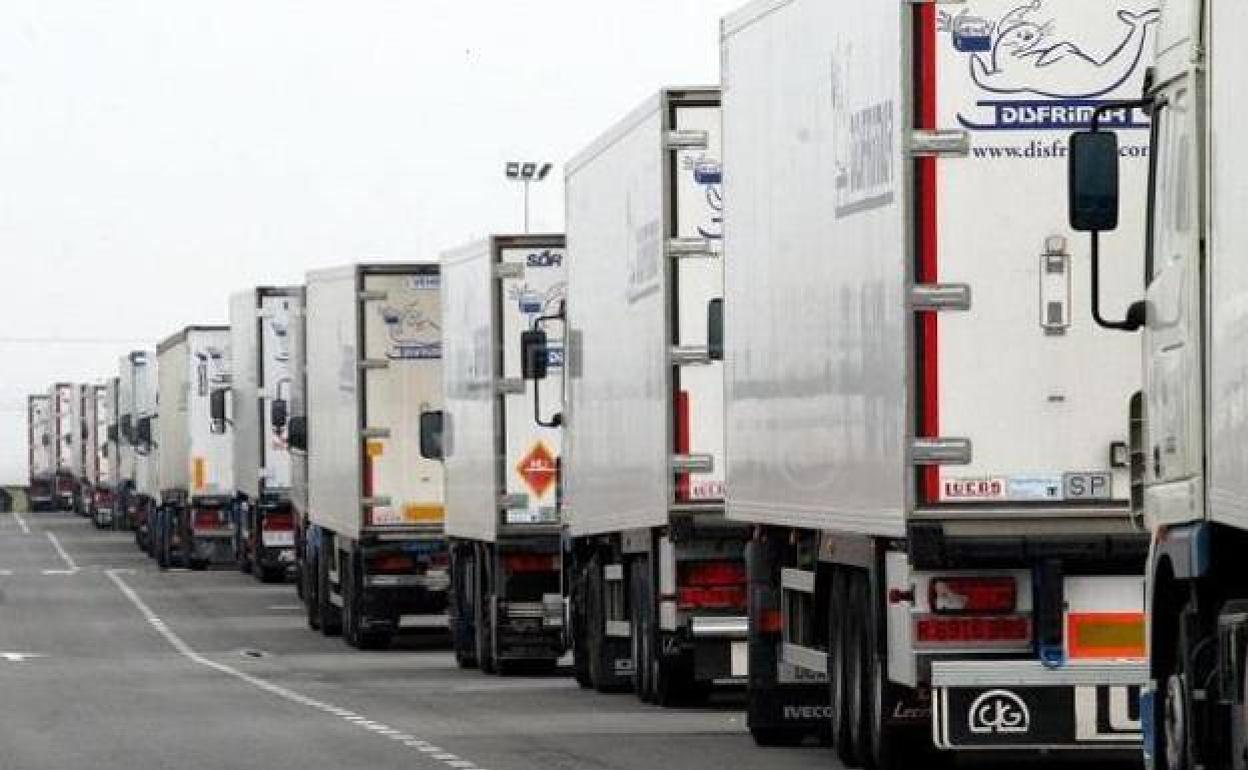
Ninety-five per cent of lorries were back on the roads again on Monday, although the Platform that called the strike insists that its members will continue to protest
Edurne Martínez
Madrid
The hauliers’ strike in Spain is now in its third week but fewer people are taking part, mainly due to the agreement which has been reached between the government and the National Road Transport Committee. This includes a 20 céntimo discount per litre of fuel and 450 million euros of financial aid for the sector, as part of a one billion euro package of measures.
The president of the ATA association of self-employed hauliers, Lorenzo Amor, said that 95 per cent of the 207,000 professionals in the sector had gone back to work, and he criticised those who blocked the Ronda Litoral in Barcelona again on Monday despite agreement being reached with the government.
Meanwhile the general secretary of the UGT union, Pepe Álvarez, claimed that the measures are not enough, because the problem is not just the price of fuel but “other questions in the background that need to be sorted out”. However, he did say the package would give the sector a breathing space.
Losses totalling billions of euros
The protest action has had a notable effect on stocks in supermarkets and markets, but the return to work on Monday did make a difference. Mercamadrid, the biggest distribution centre in Spain, only received seven per cent fewer products than normal, whereas in the early days of the strike the amount had dropped by 40 per cent. Last week it received 80 per cent of supplies because there were no pickets to stop the lorries getting in.
However, it has still been one of the worst strikes ever in the sector and has resulted in nearly one billion euros of losses in Andalucía alone, according to the regional government. And in Bilbao Port, where the stoppages have caused huge problems, the container companies have called on the self-employed hauliers to return to work because the government has agreed to everything they were demanding, such as the 1,250 euro payment per lorry to compensate for the high fuel costs.
The call appears to have fallen on deaf ears, though, as the National Platform in Defence of the Transport Sector, which called the strike, insists the protest action will continue until the Minister of Transport meets its representatives and responds to their demands. The president of the Platform, Manuel Hernández, said in a TV interview that “unfortunately we have to continue… it costs us more to work than it does to be on strike, the situation is chaotic,” he said.
![[]](http://static.vocstatic.com/voc26/latest/assets/images/favicon/surinenglish/apple-touch-icon-57x57.png)