
Toledo train disaster 2026
Spain's government works on rail safety plan and aid decree for Urda victims
Transport Minister Óscar Puente is presenting a report on the accident to Cabinet on Tuesday, while the government puts its agenda of social measures on hold
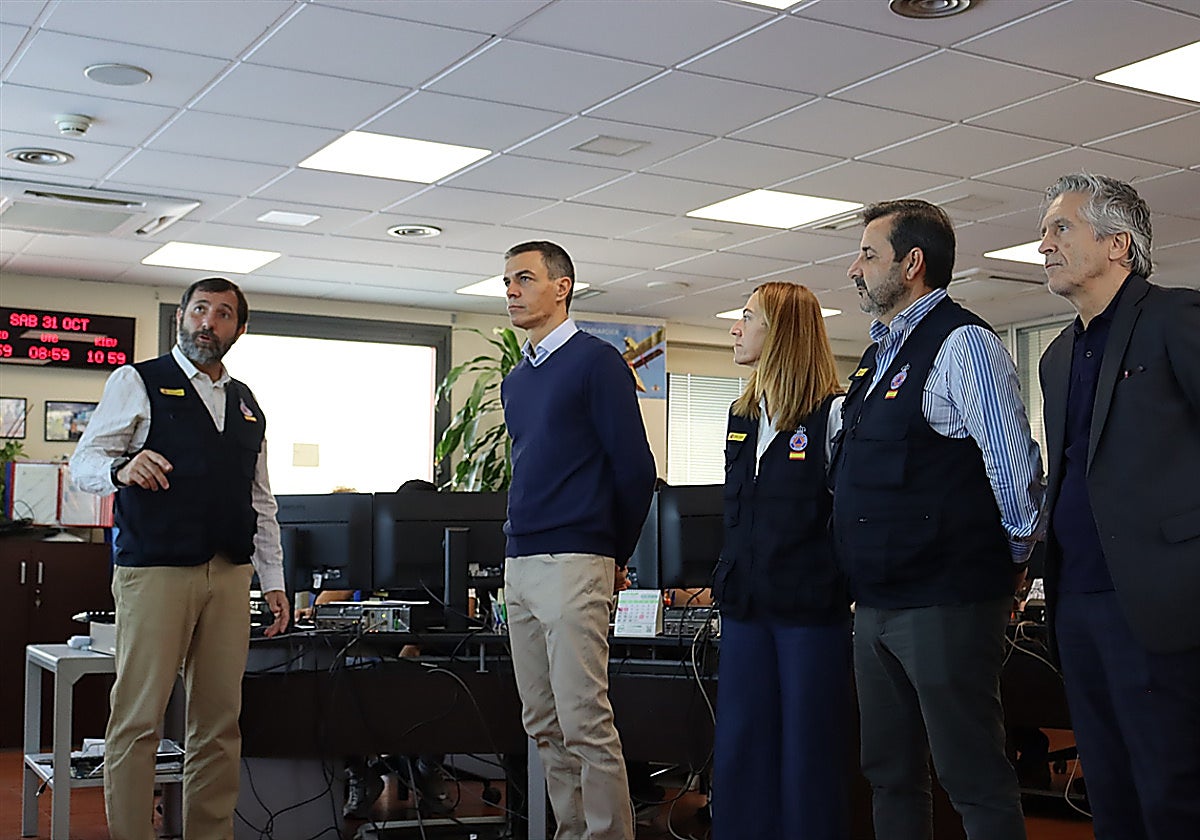

The Spanish government is drawing up a plan to improve rail safety and is set to approve, this Tuesday, a royal decree providing aid to ... the victims and the families of the deceased of the accident in Urda (Toledo), which killed 69 people on 28 October.
Transport Minister Óscar Puente is presenting on Tuesday a report on the incident to Cabinet. He will outline the measures his department is considering. The government is, therefore, seeking to respond to the second major rail tragedy this year on the Madrid-Seville line.
The accident has also disrupted the government's agenda. Moncloa (the government's headquarters) is, for the time being, putting its so-called "social Tuesdays' agenda on hold, through which it had intended to approve new benefits and social improvements ahead of the 29 November election".
Related story

The immediate priority is now to look after the victims, clarify the causes of the accident and restore confidence in the railway. Puente is working on a series of measures to reduce technical faults and strengthen safety mechanisms, although the scope and timetable for these have not yet been finalised.
The aid decree is expected to follow the model following the Adamuz accident, which happened on 18 January. At that time, the government set compensation at 216,000 euros per death, divided between direct aid and insurance advance payments. The amounts for Urda victims have not yet been confirmed.
The transport authorities are facing new questions following the rear-end collision between a Renfe AVE and an Iryo train that had come to a halt near Urda. The accident occurred on Wednesday, 28 October, following a fault in the LZB safety system, which is responsible for monitoring traffic and preventing two trains from occupying the same section of track.
The fault forced six trains to stop. Subsequently, the Adif control centre at Atocha authorised services to resume. The AVE reached a speed of around 200 kilometres per hour before colliding with the Iryo, which had come to a standstill.
On Friday, Puente acknowledged that the LZB had recorded 170 faults this year, although he said that this frequency falls within the usual parameters. The investigation will need to determine how the faults and operational decisions were linked and why the safety barriers did not activate.
Puente, under pressure
The tragedy has stepped up the pressure on the minister, although he has ruled out stepping down for the moment. "It is my duty to face up to this," he said on Friday. He also revealed that he had offered to resign, but PM Pedro Sánchez had rejected his resignation.
Sánchez admitted that "confidence in the high-speed rail system has been shattered" and acknowledged that it is the government's responsibility to restore safety and shed light on what happened.
King Felipe VI also called for answers. "Let us do this together, united. Let us also do so with dignity and rigour," he urged during his visit in Toledo.
Puente is due to appear before Diputación Permanente at 5pm on Tuesday. There, he will explain the circumstances of the accident and the measures planned to prevent such a tragedy from happening again.
