
The clocks go forward this weekend, and summer time begins
Although the twice-yearly change of hour is now due to an EU Directive, Spain first began doing it back in 1940
SUR
Malaga
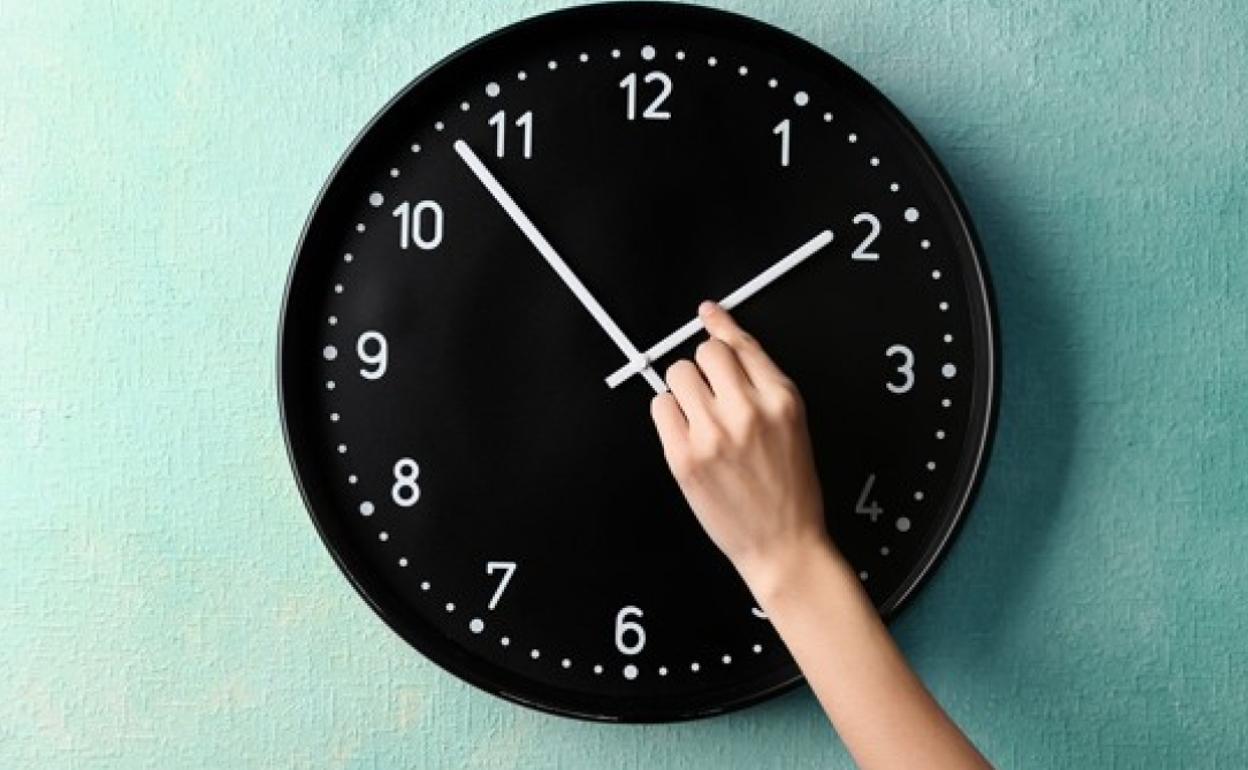
It’s that time of year again. This weekend the clocks go forward and we lose an hour’s sleep. When, exactly? In the early hours of Sunday morning, 27 March: at 2am, it will suddenly become 3am.
This change to the hour is part of EU Directive 200/84CE, which also decides when winter time begins. It has to be applied in all European Union countries, and the aim is to save energy and take advantage of the extra hours of daylight. As the EU Commission argued in 1999, the measure also benefits sectors such as transport and communications, road safety, working conditions, health, tourism and leisure.
Energy efficient
The main reason for having summer time and winter time is to be more energy efficient. In fact, Spain first began to adapt its hours to the seasons back in 1940.
In 2018 the EU Commission carried out a public consultation into whether or not to continue with the twice-yearly change of hour, and over 80 per cent of the 4.6 million people who took part said they would rather the practice was stopped. Nevertheless, a lack of consensus between the member states and the evaluation of the impact of the measure resulted in it being delayed, so it has not yet come into force and therefore, we will all lose an hour early on Sunday morning, once again.
As published by Spain’s Official State Bulletin, the BOE, the time changes in the coming years are:
Daylight Saving Time start dates (2am is 3am)
2022 : Sunday, March 27.
2023 : Sunday, March 26.
2024 : Sunday, March 31.
2025 : Sunday, March 30.
2026 : Sunday, March 29.
Winter Time start dates (3am is 2am)
2022 : Sunday, October 30.
2023 : Sunday, October 29.
2024 : Sunday, October 27.
2025 : Sunday, October 26.
2026 : Sunday, October 25.
![[]](http://static.vocstatic.com/voc26/latest/assets/images/favicon/surinenglish/apple-touch-icon-57x57.png)