Meeting Marathon
Details about the new EU migration pact apparently remain undecided, despite the insane amount of conferences at which it has been discussed

Spain has lacked a proper government for most of its occupancy of the six month rotating presidency of the EU Council, which it will hand ... over to Belgium in January; as a result, it's hardly been able to accomplish anything in the role. But there was finally some progress this week, when the EU announced a brand new 'solidarity' agreement on how to deal with migration. There's just one problem, though: everyone, including Spain's coalition government and the Spanish Commission for Refugees (CEAR), hates it.
The proposed migration pact was discussed early this week, during some of the last Council meetings to be held under Spain's expiring presidency. Incidentally, over a thousand such meetings are held during a six-month period in the Council - that's 167 per month, or 42 a week: just stop and think about that for a moment, and the sheer amount of bureaucracy these obsessive, coffee-fuelled get-togethers must involve. Each six-month term is a brutal Meeting Marathon: one imagines exhausted representatives staggering into those held this week, sub-vocalising encouragement to themselves: "Just. One. More. Meeting. Come on, you can do it, you've got this!"
Anyway, I digress. Details about the new migration pact apparently remain undecided, despite the insane amount of conferences at which it has been discussed. But the basic idea seems to be that if one or more EU member states are experiencing an influx of migrants (as Spain has done recently into the Canary Islands and its north African territories), they'll be entitled to logistical and financial assistance from other members.
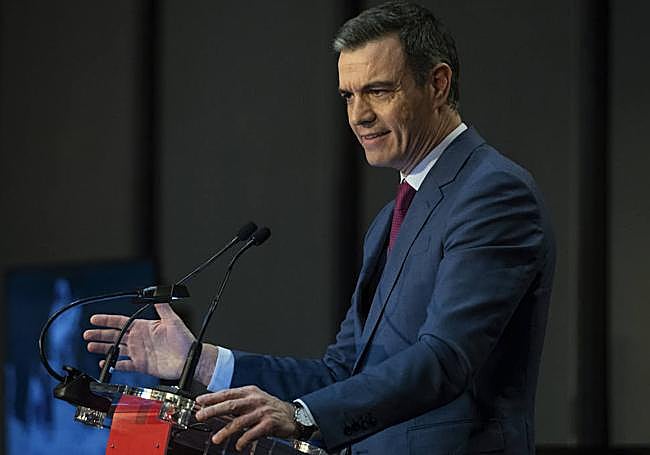
It sounds like a good idea: everyone clubbing together, in the original spirit of the EU, to deal with one of the bloc's biggest problems. But CEAR says the new agreement puts states' interests before the rights of individual asylum seekers, and Save the Children claims that it will divide families arriving together in Europe. Pedro Sánchez praised the bloc for presenting a seldom-seen unity on the issue, but complained that the proposed pact wasn't what he "would have liked".
That might sound like a surprising admission given that Spain, as President of the Council, has had the capacity to direct discussion on this matter since the reinstatement of its leftist coalition last month. In that role, however, it must remain neutral on policy - which explains why it's possible for a country to hold such an important-sounding position and yet be unhappy with the results of the summits that it chairs. Or perhaps Spain's just suffering from Meeting Marathon-burnout and is desperate to defer to Belgium, which in turn must endure another thousand meetings between January and July 2024.
¿Tienes una suscripción? Inicia sesión