
Health
New flu strain in Spain is more contagious and resistant to current vaccines
Malaga province has recorded a 57% increase in the rate of acute respiratory infections in just one month, reaching 211.1 cases per 100,000 inhabitants
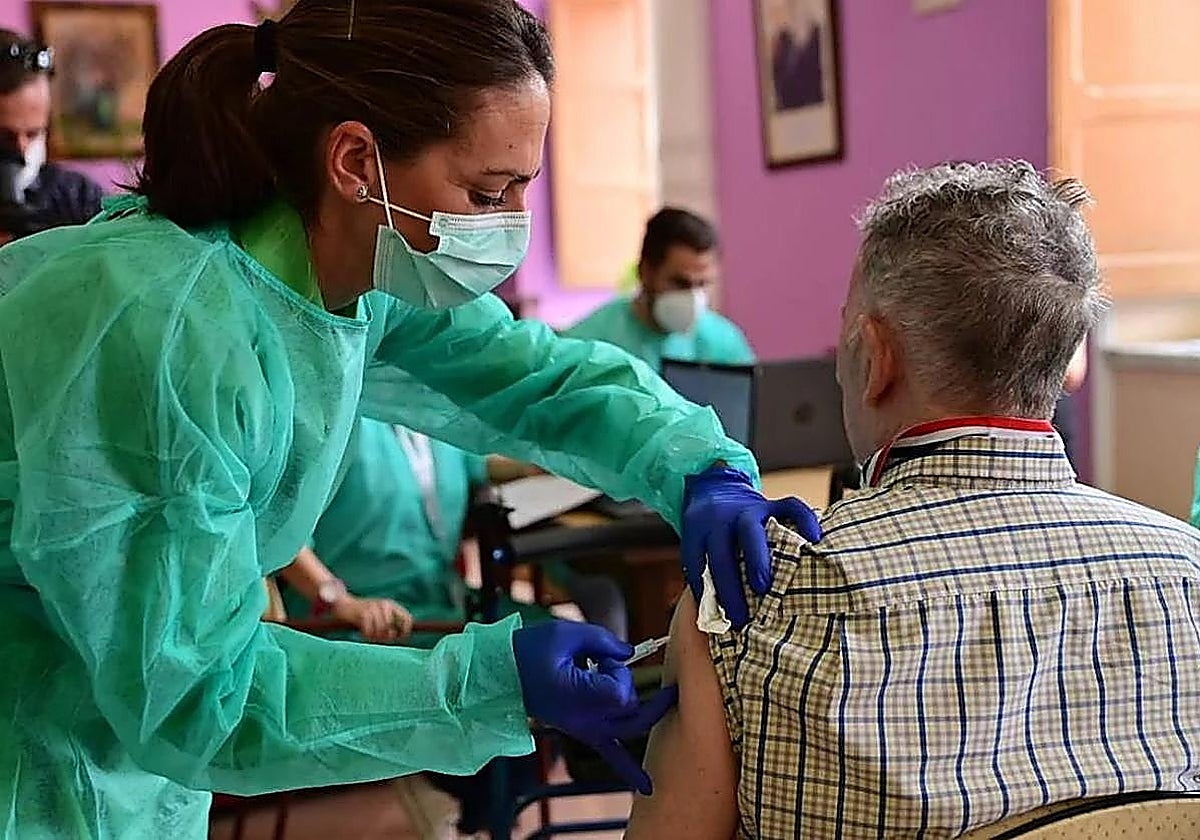

The end of autumn and the beginning of winter in Malaga are both proving to be more complicated than in previous years due to the premature arrival of the flu season, which is currently four to seven weeks earlier than usual, as already reported by SUR.
However, the concerns of regional and national health authorities and governments lie not in this accelerated arrival of seasonal flu, nor in the increase already detected last week in hospital emergency rooms and primary care centres of this virus and others such as those that cause bronchiolitis, Covid-19 and other types of flu, but rather in the arrival of a new flu mutation, a variant of the H3N2 virus (influenza) known as subclade K, which appears to have a greater capacity for transmission and resistance to vaccines.
The Spanish society of family and community medicine (semFYC) warned last week of the atypical behaviour of the current respiratory virus season, with flu season starting a month earlier than normal due to a new variant of the virus that has been circulating since April or May around the European Union: "It is a more transmissible virus, although this does not imply greater severity."
The main risk falls on the vulnerable: the elderly, immunocompromised patients or those with chronic illnesses. While the virus is not more virulent, "it can cause more hospital admissions and complications because it affects people who were protected by the vaccine and are not as protected as in other years when there were fewer antigenic changes".
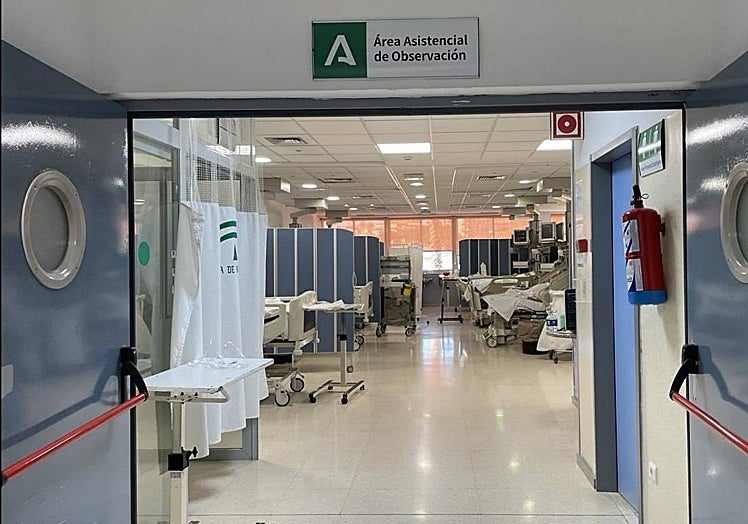
This change in flu season therefore anticipates an earlier than usual increase in cases and shortens the window for effective vaccination, which is crucial for risk protection. If subclade K is confirmed as the predominant strain, alterations in the haemagglutinin protein, key for binding the virus to human cells, must be taken into account. Such alterations can hinder recognition by the immune system of the virus, both after vaccination and following a previous infection, thus explaining the earlier spreading of the virus and the increase in infections, even among those vaccinated.
On the up...
While there was already an upturn in flu cases last week, hospital sources confirm that the increase is accelerating in emergency rooms. This virus could be behind the fact that flu cases ended up being treated in hospitals during the summer, generating peaks in patient care (in combination with Covid-19) in Malaga.
That the flu season and other acute respiratory infections (including influenza, Covid-19, bronchitis and bronchiolitis) have arrived early in Malaga is clear: the rate per 100,000 inhabitants was 211.1 in the week from 17 to 23 November, 57% higher than in the week from 13 to 19 October, according to the Junta's weekly surveillance report on acute respiratory infections.
"Rapid spread"
Ana María Ortega Prieto is a lead researcher jointly in charge of the immune response to viral infections group at Malaga's biomedical research institute (Ibima-Plataforma Bionand). "The H3N2 virus subclade K is a genetic variant of the influenza A virus that presents changes in the protein used by the virus to bind to our cells. These changes make it harder for our immune system to recognise the virus, because it's a virus that is less similar to the H3N2 viruses that have circulated in previous seasons," explains Dr Ortega Prieto. She adds that "it is spreading rapidly and already accounts for a third of all flu viruses analysed between May and November this year worldwide and almost half of those analysed in Europe: the data suggests that the virus could be transmitted more easily."

Still, in principle there is no potential for an increase in severity of this strain: "What could happen is that, as more people become infected than in previous years, the number of complications could also increase simply because more vulnerable people are being exposed to the virus," says Dr Ortega. She further notes that "it is slightly different from the viruses used in this season's vaccines, which could cause a decrease in their effectiveness, especially in preventing infections. However, although current data on their efficacy is quite limited, preliminary results published in England indicate that the vaccines continue to provide good protection against the most severe cases."
The main consequence of this flu variant could be "a greater number of cases than in previous years and in a shorter period of time. This could mean greater pressure on healthcare services, especially if it coincides with other respiratory viruses. For older people or those with chronic illnesses, the risk of complications is greater," the doctor told SUR.
Combating the new strain
To combat it, the ideal approach is to "vaccinate vulnerable groups as soon as possible, initiate antiviral treatment early in infected individuals at higher risk of severe illness and consider using antivirals as prophylaxis when outbreaks are detected in sensitive settings such as nursing homes. In addition, it is important to continue maintaining sound epidemiological surveillance."
Essential strategies to curb catching the flu: handwashing, ventilation and special attention to vaccination
As preventive measures, Dr Ortega suggests we "ventilate enclosed spaces well, wash hands frequently, avoid contact with vulnerable people if they present with flu-like symptoms and, above all, get vaccinated as soon as possible".
The Junta de Andalucía's flu plan
The regional government for Andalucía has launched its own action plan for flu season with regional health minister Antonio Sanz announcing last Friday that the latest data "reflects that the positivity rate for the flu virus has increased compared to the previous two weeks, reaching 21.6%". Sanz himself reported that the flu season had started early by four to seven weeks, with the H3N2 virus being the culprit. The Junta, in a press release, stated: "This virus has not been the dominant one in recent seasons, which could lead to a decrease in individual immunity."
Among other measures, since last Monday, the use of face masks has been recommended for staff and those attending public and private healthcare centres and social care facilities (nursing homes, centres for people with disabilities). These facilities will also be asked to consider making the use of face masks mandatory in their health and safety plans.
![[]](http://static.vocstatic.com/voc26/latest/assets/images/favicon/surinenglish/apple-touch-icon-57x57.png)