
Marbella approves initial PGOM in step towards normalising town planning rules
The plan includes the modern concept of a 15-minute city, where basic public facilities are no more than a quarter of an hour away on foot
Neil Hesketh / J. Dueñas
Marbella
The council in Marbella took an important step forward this week towards a new planning blueprint for the town.
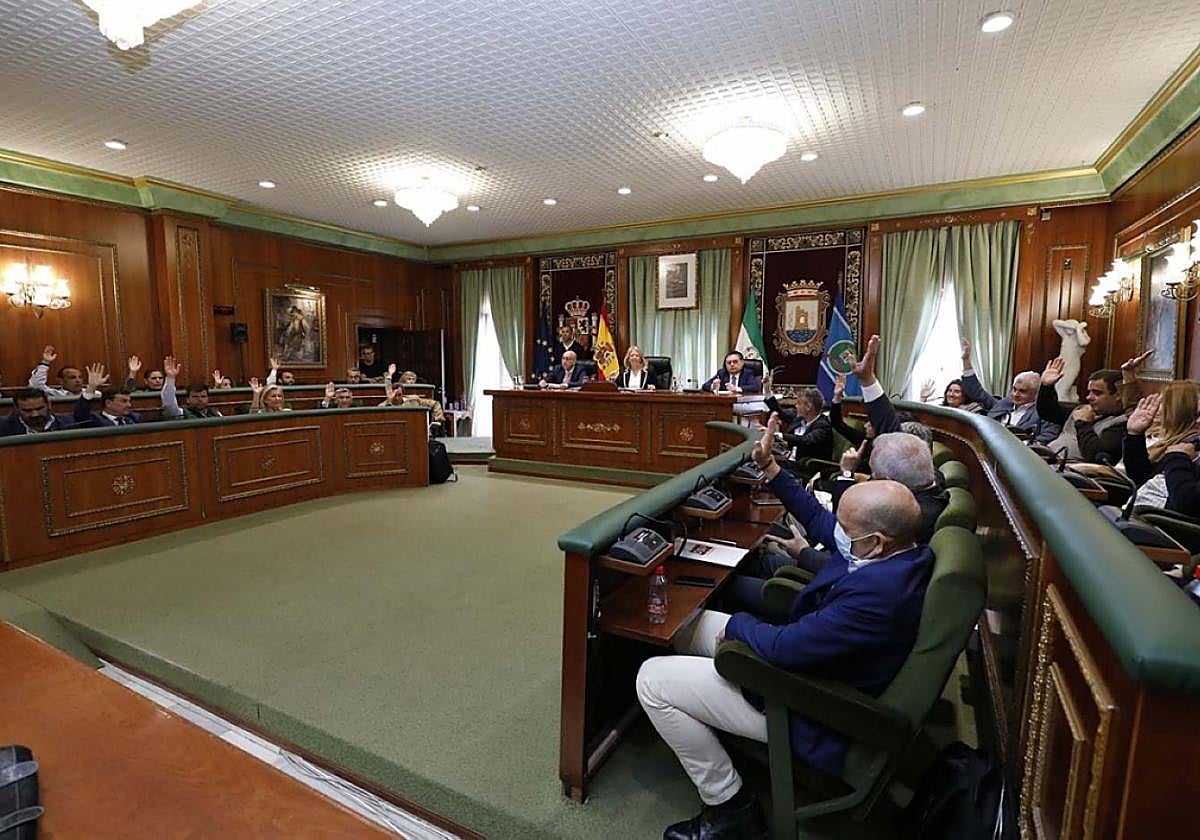
At a council meeting on Thursday morning, councillors voted unanimously to initially approve the so-called PGOM document. This details the strategic direction for planning in Marbella in the future and sets out priorities for development in different areas.
A period of public consultation will soon begin and the final document is expected to be voted on before the end of the year.
There are several stages still to go through before the rules in the PGOM (Plan General de Ordenación Municipal) start to free up planning applications.
Related article
However this week's vote means Marbella is nearer to ending its reliance on an outdated PGOU master town plan based on 1986 and finally putting behind it the legacy of the chaotic planning policies of Mayor Jesús Gil and his successors some twenty years ago.
This will also be the first time that a master town plan is issued under the new Lista Andalusian planning law.
Designed to make planning more flexible in the region, unlike the old PGOU, there are now two shorter planning documents. The PGOM will focus just on the strategy and a more easily-adjustable implementation plan, known as the POU, will need to follow afterwards.
Speaking on the vote, Mayor Ángeles Muñoz said, "the new plan is a detailed diagnosis with solutions to the problems and shortfalls that have been dragging on for many years." It has been drawn by the community "to adapt to the needs and new demands of our municipality," she said.
The plan has been focused on six, broad keywords for Marbella: green, ordered, diverse, inclusive, efficient and connected.
Speaking ahead of the approval, Muñoz explained, "A great deal of importance is being put on nature. She added, "The whole network of green spaces is being improved, the connection between the mountains and the sea and the whole network of footpaths is being strengthened."
The plan includes the modern concept of a 15-minute city, where basic facilities are no more than a quarter of an hour away on foot.
Once all approved in the future, swathes of Marbella municipality that have not had proper planning rules for decades will be opened up for development, with an emphasis on the environment and protecting rural spaces.
The PGOM development plan, which received initial approval from Marbella councillors on Thursday this week, is set to have a big impact on each district within the municipality in the coming years.
Last week, Marbella's mayor, Ángeles Muñoz, set out in broad terms how each part of the town is likely to be affected.
In San Pedro, areas such as Las Medranas, El Salto and Valle del Sol, as well as the southern seaside zone, must keep a separate feel to the rest. A green ring will be protected and San Pedro centre regenerated. There will be development around the Guadaiza river, while the Ronda road from the A-7 towards the AP-7 will become a boulevard-style dual carriageway.
In Nueva Andalucía, the mayor stressed the value of the fact that it is a district "closely linked to golf and with great environmental value" and the central areas of Puerto Banús and La Campana.
"We have managed to recover more than half a million square metres of land to provide this area with new sports, health, cultural and social facilities," she explained. She added that it was planned to widen the A-7 there and develop Holanducía [the empty land alongside Puerto Banús bullring] for service or hotel use.
Golden Mile and Nagüeles
On The Golden Mile, in addition to improvements to connections with the A-7 motorway, plans for residential development in areas such as the Central Forestal Sueco will be unblocked.
The plan also includes the provision of "really green infrastructure around the rivers and streams," Muñoz said.
With half Marbella's residents living in the urban centre closest to the Old Town, the PGOM sets out improvements planned for each neighbourhood in that densely populated area, including new facilities, public parking and urban landscaping.
Plans to be considered include the semi-pedestrianisation of the main Ricardo Soriano Avenue, a long-talked about initiative that has never been seen through.
It also includes provision for car parks in the Severo Ochoa, Albergue África and Plaza de Toros areas, as well as the freeing up of different areas of the historic centre for improvement.
The transformation of the area of La Ermita industrial estate, "a big opportunity to become a great centre of innovation", is also expected for central Marbella.
East Marbella-Las Chapas
There are currently several hotels planned for the eastern Marbella district.
Large tourism projects such as the Four Seasons, the W or the renovation of the Incosol hotel are included in the PGOM.
The mayor said she believed that this Las Chapas district "is going to be decisive in the economic growth of our town", with "clear protection" for the coastline and "increased connections with the A7 and the AP-7".
The planning aims here also include opening up different housing development zones, such as the area of El Realejo, close to Rió Real.
![[]](http://static.vocstatic.com/voc26/latest/assets/images/favicon/surinenglish/apple-touch-icon-57x57.png)