
112 incident
Malaga police use 'alcohol curve' maths to charge hit-and-run driver three hours after crash
Forensic retro-calculations suggest the suspect’s breathalyser level was double the criminal limit at the time of the collision in eastern Malaga
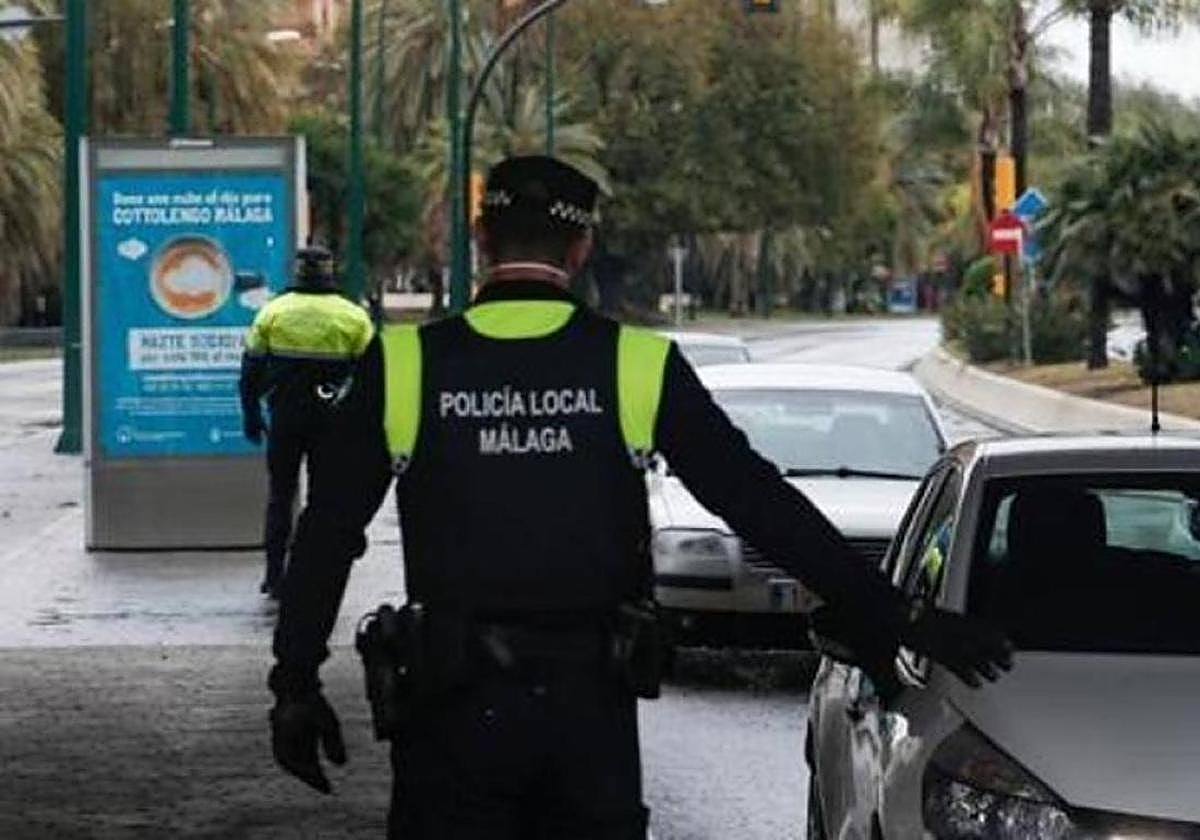

Málaga
In hit-and-run accidents, when the police locate the driver often hours after the incident, they always face the same difficult question: what was the driver's blood alcohol level at the time of the accident?
In such cases, the police resort to the BAC (blood alcohol curve), which involves a mathematical calculation to estimate the concentration of alcohol based on a series of parameters, such as age, sex or time elapsed since the accident.
The Local Police in Malaga were confronted with a case of this kind just a week ago. The accident occurred in the eastern part of the city shortly after 11pm. A car drove the wrong wayand ended up colliding with a motorbike with two occupants.
The driver got out of the car to see what had happened to them, but then decided to leave the scene. One of the motorbike victims had a broken leg and contusions, which are considered serious injuries.
According to sources, all the units and police stations in the city were notified in case the driver panicked and decided to hand himself in. So it happened - the driver appeared at one of the stations in the city only three hours after the accident.
Related story
-
 Juan Roig Valor
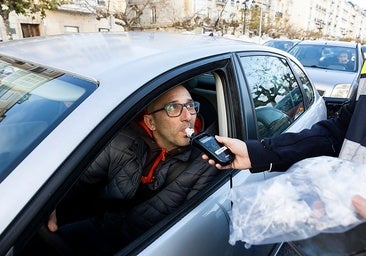
The police subjected the driver to a breathalyser test. He gave a slightly higher result of 0.30 milligrams of alcohol per litre of exhaled air. In the second test, conducted to verify the first, the reading was even lower, suggesting that the alcohol consumption was not recent and its effects were wearing off.
Related story
The police resorted to BAC calculations, subject to a judge's assessment. According to calculations, the driver's blood alcohol level at the time of the accident would have been double, that is, above 0.60.
Based on this evidence, the police read him his rights as a suspect not under arrest for causing injuries and leaving the scene of the accident - a new crime in the Penal Code.
![[]](http://static.vocstatic.com/voc26/latest/assets/images/favicon/surinenglish/apple-touch-icon-57x57.png)