
Environment / Infrastructure
The sealing of the Torremolinos landfill site will be monitored for 30 years
The aim is to check whether it causes long-term damage to the environment, as pointed out by the regional minister for sustainability and the environment

Torremolinos
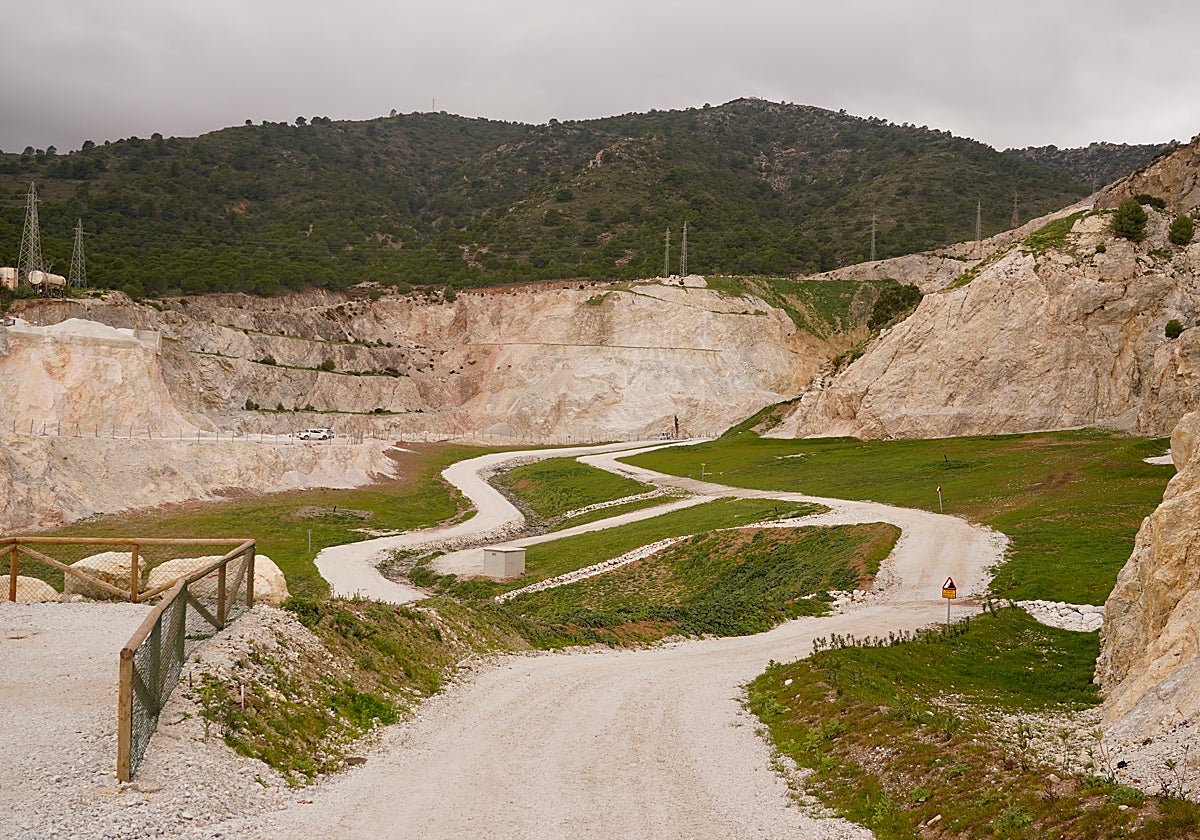
The sealing of the Torremolinos landfill has involved the execution of a project, developed over more than three years, with an investment of almost nine million euros, co-financed by the European Regional Development Fund (ERDF), for the period 2021-2027.
The objective of this intervention has been to restore 98,300 square metres in the Sierra de Torremolinos, an area that for decades represented a genuine environmental scar as a result of the land having been used, between 1990 and 2011, as an unlicensed landfill.
Furthermore, when the courts ordered its closure, the appropriate protocol was not followed, which led to significant impacts such as the infiltration of rainwater, the uncontrolled production of leachate and the emission of gases resulting from the decomposition of organic matter.
98,300
square metres
The aim of this intervention has been to recover 98,300 square metres in the Sierra de Torremolinos, an area that for decades was a real environmental scar as a result of the land being used, between 1990 and 2011, as an unlicensed rubbish dump
The department of sustainability and the environment of the Andalusian regional government, responsible for carrying out the corrective measures, now considers them to be completed. However, as the head of this department, Catalina García, has announced, the work does not end with the completion of the sealing.
Related story
-
 José Rodríguez Cámara
The necessary measures include the so-called monitoring and control plan, with a minimum duration of 30 years, as established by the current regulations governing landfill sites. The aim of this monitoring is to verify the evolution of the sealing works, the proper functioning of the installed systems and the absence of long-term environmental impacts.
In any case, what has already been done is a substantial change in this space, an environmentally remodelled setting, prepared to avoid health and environmental risks.
The work, which the minister visited together with the mayor, Margarita del Cid, have comprehensively tackled the problems associated with the landfill, from the adaptation of the land and the reorganisation of the waste to guarantee the stability of the slopes.
A specific gas collection system has been implemented, based on vertical wells and biovents that allow methane oxidation, thus reducing its impact on the climate and avoiding the use of bonfires, which are common in this type of intervention
The sealing has been carried out through the installation of a final airtight cover composed of several layers with specific functions. On the one hand, the entry of water from precipitation has been prevented, thereby avoiding the generation of leachate. On the other hand, biogas emissions have been controlled, preventing their uncontrolled release into the atmosphere. To achieve this, a double impermeable barrier has been incorporated, consisting of a synthetic high-density polyethylene membrane and a geological clay layer, reinforced with drainage and protection systems that ensure its durability.
Related story
-
 Ignacio Lillo
In addition to these actions, a specific gas collection system has been implemented, based on vertical wells and biovents that allow methane oxidation, thus reducing its impact on the climate and avoiding the use of bonfires, which are common in this type of intervention. Similarly, a drainage network has been designed to channel runoff water, preventing it from coming into contact with the waste.
800
oleanders
The intervention has also included the revegetation of the area with native species, which helps the space blend into the landscape and supports the recovery of biodiversity. This process has involved planting 800 oleanders and sowing more than a thousand kilograms of seeds, creating a stable vegetative cover that protects the underlying layers of the sealing.
The intervention has also included the revegetation of the surrounding area with native species, which contributes to the landscape integration of the space and supports the recovery of biodiversity. This process has involved planting 800 oleanders and sowing more than a 1,000 kilograms of seeds, creating a stable vegetative cover that protects the underlying layers of the sealing.
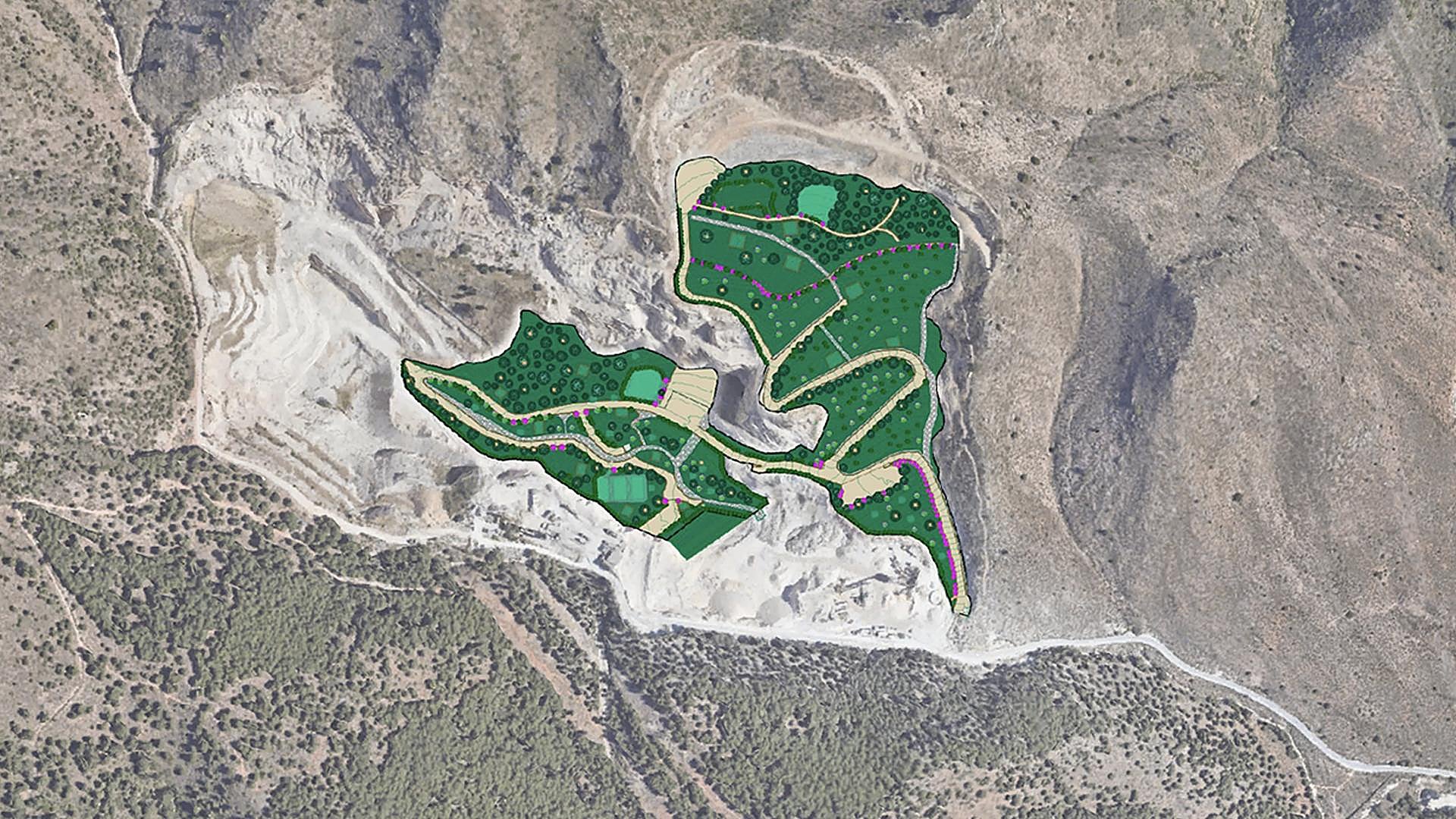
The landfill capping has been organised into two distinct areas totaling more than 98,300 square metres. On one hand, the cell corresponding to the former landfill, covering over 61,200 square metres; and on the other, a new cell of more than 37,100 square metres designed to accommodate the waste relocated during the works. This reorganisation has allowed the overall stability to be optimised and facilitated its final sealing.
![[]](http://static.vocstatic.com/voc26/latest/assets/images/favicon/surinenglish/apple-touch-icon-57x57.png)