
Guide to: Malaga
The ultimate Malaga travel guide: What to see, eat, and do in 2026
From Roman ruins to Michelin-starred dining, discover why the capital of the Costa del Sol is Spain’s new must-visit cultural hub
Erin Fisher
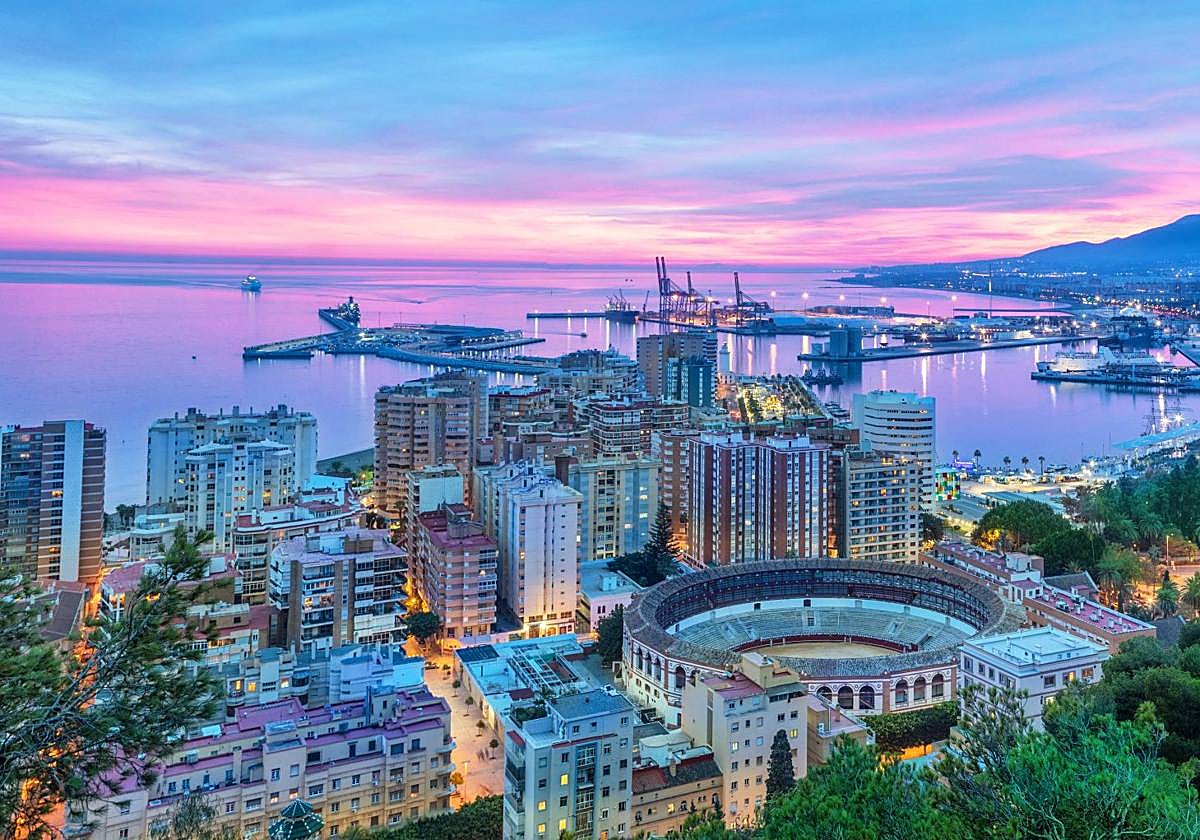
Situated on the Costa del Sol in Andalucía, Malaga is a vibrant destination, known for its beaches, historic landmarks, and rich culture. With around 320 days of sunshine a year, it attracts millions of tourists annually and is home to around 590,000 people.
First established around 3000 years ago as Malaka, the city blends its history with contemporary Mediterranean life. This guide provides an introduction to Malaga’s food, culture and must-see spots to help first-time visitors make the most out of their trip.
A little about Malaga’s history:
Founded by the Phoenicians around 800 BC, Malaga is known to be one of the oldest continuously inhabited cities in Europe. Over the centuries it has been shaped by a succession of diverse powers, including the Greeks from the 6th century BC and later the Carthaginians.
Under the Roman Empire, the city transformed. The Romans created infrastructure such as the amphitheatre and aqueduct, and turned Malaga into a crucial port and commercial hub to export metals, agricultural products, and garum (a fermented fish sauce) throughout the Empire.
By the 15th century, the Visigoths had ruled and later the Moors had left their mark on the city. The Moors were particularly impactful as they introduced new architectural styles during their rule from the 8th to 15th century, built the Alcazaba (a fortress) and the Gibralfaro Castle, and made Malaga a cultural hub which many scholars and poets moved to.
Following the Reconquista, it was then taken over by Catholic Monarchs Ferdinand and Isabella. After suffering periods of economic decline, Malaga bounced back in the 19th and 20th centuries due to new industries linked to textiles, agriculture, trade and tourism.
Related stories
-
-
-

-
Regina Sotorrío
-
SUR in English
-
-

Pilar Martínez
Where to eat:
Breakfast:
-
Whether searching for a quick coffee, fancy a leisurely brunch, or want to try some traditional churros and chocolate, Malaga has plenty of options including:
-
Casa Aranda: A traditional café, the smell of churros frying attracts tourists, as well as their selection of bocadillos
-
- La Canasta: An andalusian bakery chain, perfect for breakfast on the go, with coffee, pastries and artisanal bread
-
- La Bella Julieta: A contemporary brunch café with a wide variety of options, from bocadillos and toast to açaí bowls and waffles
Lunch:
-
Lunch is typically the main meal of the day in Spain, mostly consumed between 2 pm and 4 pm. Tapas is a typical Spanish lunch and a great way to sample a variety of local dishes.
-
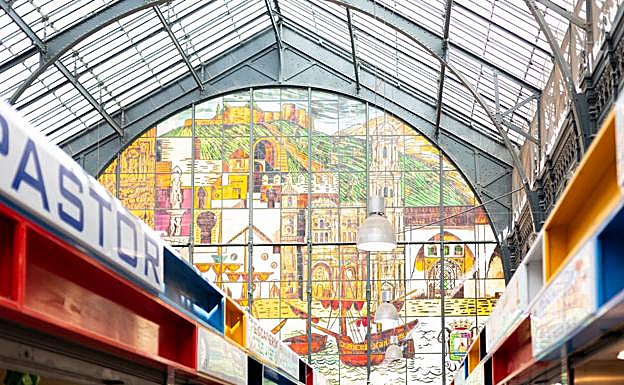
Mercado de Atarazanas: A historic market hall with a striking stained glass window. This market features a combination of fresh food stalls and small tapas bars, as well as the sandwich spot El Capricho. Options such as Spanish olives, smoothies, and ajoblanco (a cold almond soup) can be found here
-
- Casa Lola: A classic tapas dining spot, from gazpacho to croquetas, there are many options to choose from
-
- La Recova: A quaint café tucked inside an antique shop in the old town, offers traditional tapas -it also provides toast with a selection of condiments served in an egg carton as an interesting breakfast option
Light bites:
-
Merienda is a light afternoon snack in Spain, a great way to recharge after a day of sightseeing.
-
Churros: Visit a traditional churrería to enjoy this Spanish pastry
-
- Empanadas: Originally from Argentina, these savoury filled pastries are a common snack found throughout the city
-
- Basque cheesecake: Crustless and baked at a high temperature to caramelise the middle and create a light, creamy interior - they have become increasingly popular in Spain
-
- Ice cream/helado: Ideal for cooling off after a day in the sunshine
Dinner:
-
In Malaga, dinner is typically consumed later in the day and is often a lighter meal such as salad or tapas shared across a table. While restaurants in tourist areas may open their doors earlier, locals rarely eat before 9 pm and 10:30 pm. The province of Malaga is also home to several Michelin-starred restaurants for those seeking a high-end dining experience.
-
Taberna Jarana - A relaxed andalusian tavern, with a friendly atmosphere and classic tapas
-
- Los Marangós - A restaurant known for its paella and generous portions, with multiple sites across the city
-
- Cambara - A mediterranean fusion restaurant with coastal views across the port
Drinks:
-
After a long day, take the opportunity to wind down with a glass of tinto de verano, sangria or a cocktail.
-
Antigua Casa de Guardia: The oldest wine bar in Malaga, known for its sweet local wines
-
- Rooftop bars around the Muello Uno offer stunning sunset views of the coastline
Places to visit:
Outside of trying the local cuisine, there are lots of other cultural activities to immerse yourself in throughout the day.
Museums:
-
Malaga is home to over 30 museums, with some offering free entry during certain hours on Sundays.
-
Carmen Thyssen Museum: See 19th century Spanish painting, with a focus on Andalusian art
-
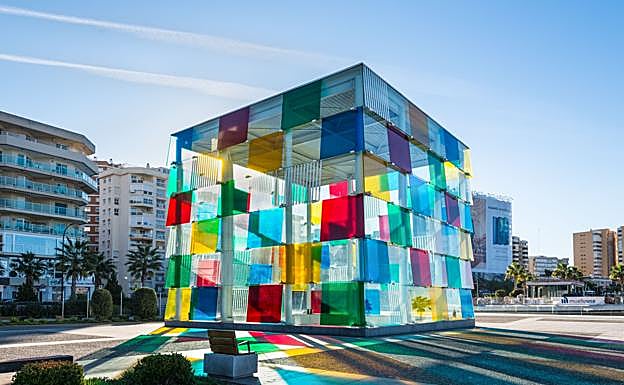
- Centre Pompidou Málaga: Connected to the Paris museum of the same name, this gallery showcases modern and contemporary art
-
- Museo Picasso Malaga and Museo Casa Natal de Picasso: As Malaga’s most famous son, the city has two museums dedicated to Pablo Picasso - the first focuses on his art, while the second specialises in his early years within his childhood home
Landmarks and experiences:
-
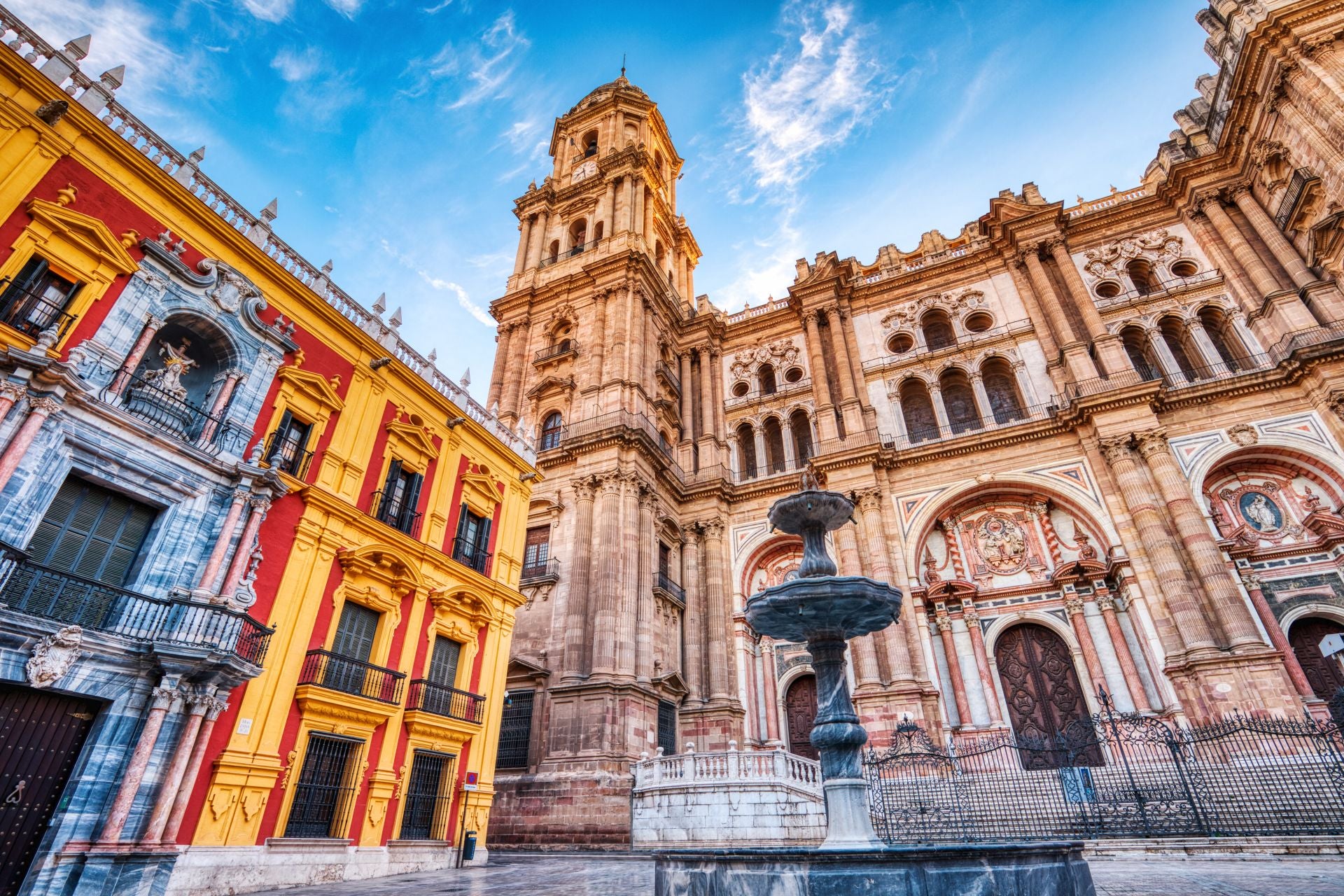
- Malaga Cathedral: A Roman Catholic church with renaissance architecture, sometimes nicknamed La manquita ( meaning the one-armed lady) because the south tower was never completed
-
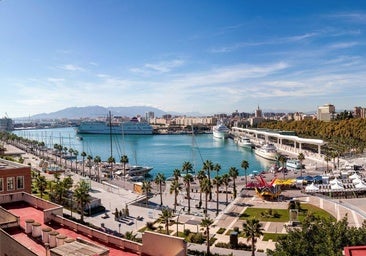
- Muelle Uno: A modern waterfront promenade with shops and restaurants by the port
-
- La Malagueta beach: popular beach a stone's throw from the port
-
- Alcazaba and Castillo de Gibralfaro: Ruins of a Moorish castle and fortress with panoramic views of the city
-
- Flamenco shows: Experience a classic Andalusian show
Where to stay:
Popular areas to consider when booking your stay:
-
- Centro Histórico: The old town, very central and ideal for first-time visitors, close to major sights
-
- La malagueta: Good for beach access if you want a more relaxing stay
-
- Soho: Trendy neighbourhood, full of bars and cafés.
-
- There’s a wide range of accommodation options, from boutique hotels to Airbnbs, depending on your budget
Info on public transport:
Malaga is a very walkable city, especially within the historic centre with its maze of narrow car-free streets.
Blending centuries of history with a thriving food scene and a picturesque coast, Malaga is far more than a beach holiday. Whether visiting for a weekend break or an extended stay, the city’s mix of culture, gastronomy and Mediterranean charm make it a compelling destination all year round.
.
![[]](http://static.vocstatic.com/voc26/latest/assets/images/favicon/surinenglish/apple-touch-icon-57x57.png)