
4 February 1985: Spain signs United Nations anti-torture convention
The country wanted to prove that it was putting its past practices behind it by being one of the first to sign the UNCAT treaty
SHAY CONAGHAN
On 4 February 1985, Spain’s ambassador to the United Nations, Emilio Artacho, signed the United Nations Convention Against Torture (UNCAT), a treaty that Spain had helped to write during the eight years since its inception in 1977.
Spain was one of the first countries, alongside 22 others including Denmark, the Netherlands and Sweden, to sign the treaty. The Spanish government wanted to do so to prove that any recent torture practices were now a thing of the past.
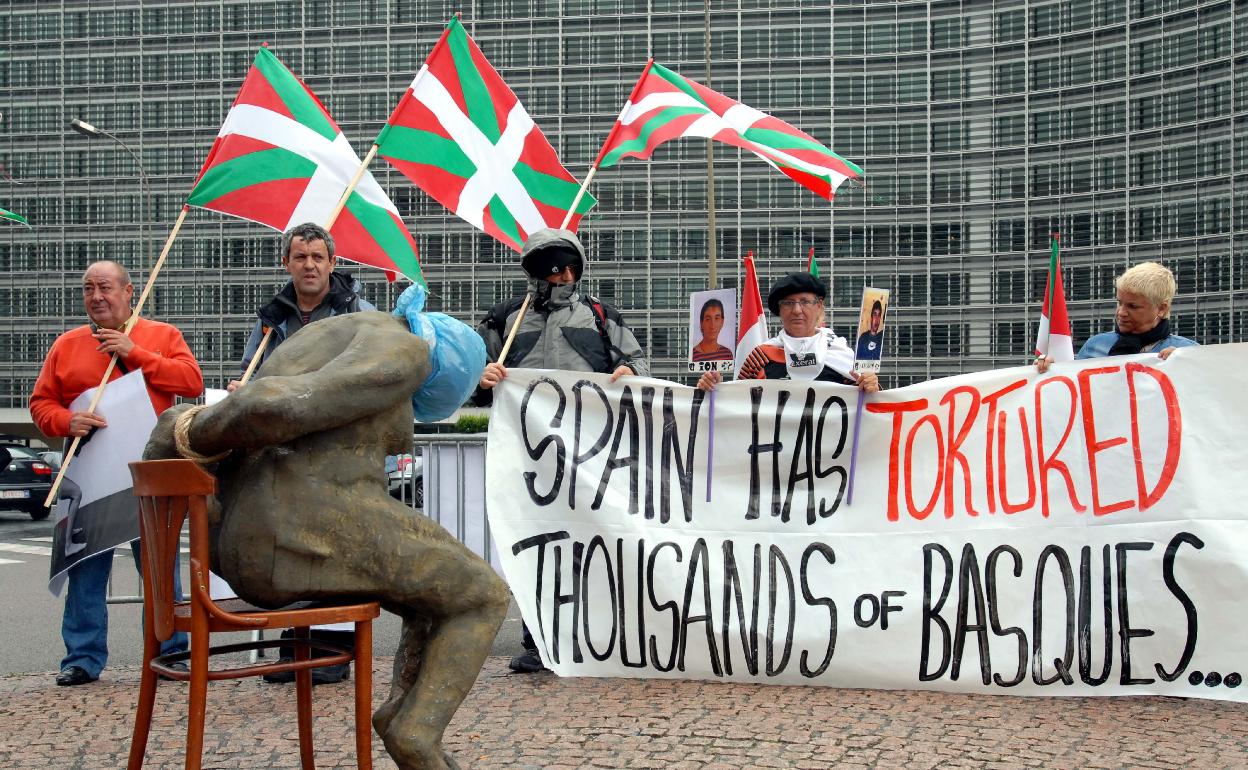
Those acts had been denounced by organisations like Amnesty International, who cited Spain’s solitary confinement measure, introduced in 1980, as going against torture conventions.
Amnesty International demanded that detainees have the right to contact a lawyer and hold private conversations with them, to be able to seek medical assistance while detained, or to contact family members, embassies or consulates.
The convention, which wouldn’t be ratified in Spain until 1987, contained 22 articles. They stated that each signatory nation had the duty to punish those who engaged in torture and established that anything found to have been declared under torture as legally invalid.
The treaty also guaranteed the right to life, to physical integrity and the express prohibition of torture, already present in the Spanish Constitution.
Despite having brought UNCAT into effect in 1987, Spain was still found to use methods of torture in the case of detained terrorists. In May 2019, the UN’s Committee for Human Rights berated Spain for violating ETA member Gorka Lupiáñez’s human rights. The committee found that he had been tortured while in solitary confinement in 2007 by Guardia Civil officers.
Moreover, the European Court for Human Rights has convicted Spain six times since 2010 for failing to investigate accusations of torture, a blot in the country’s copybook in terms of human rights.
![[]](http://static.vocstatic.com/voc26/latest/assets/images/favicon/surinenglish/apple-touch-icon-57x57.png)