
Health
Shingles vaccine delays Alzheimer's in people already diagnosed, study shows
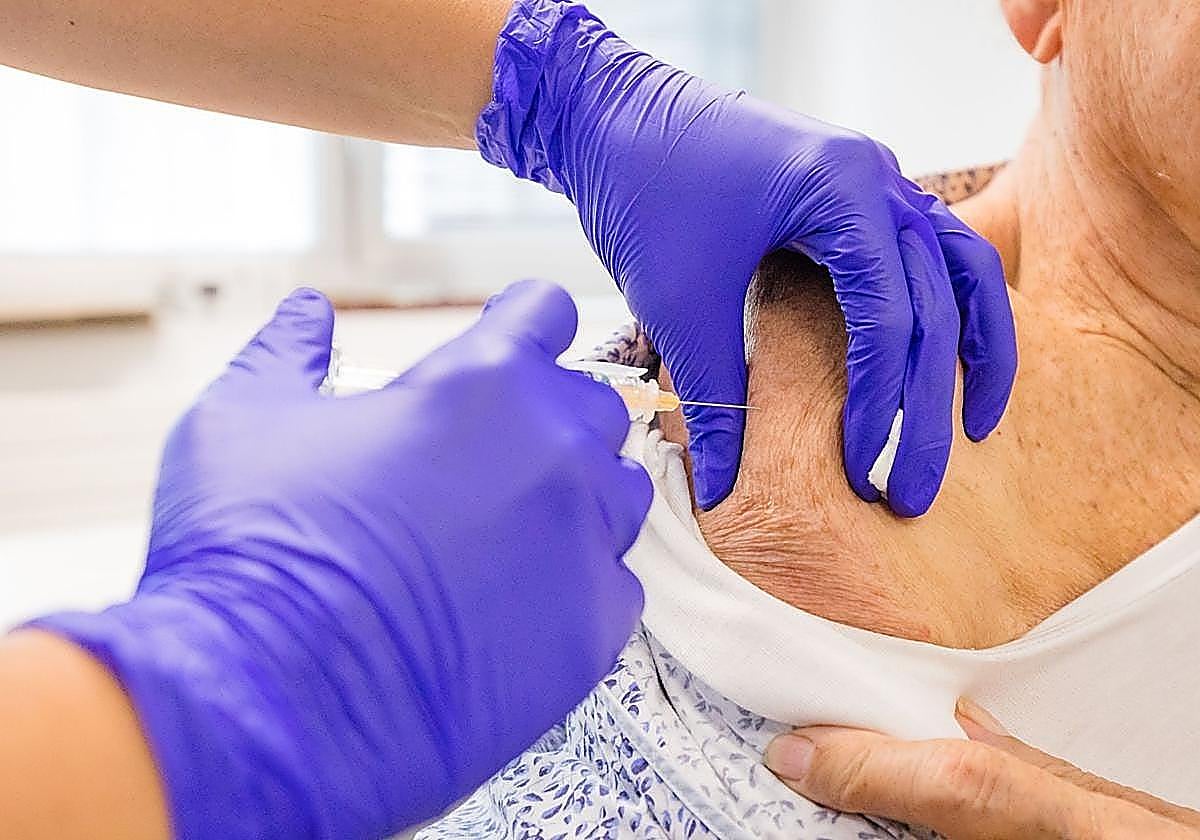
A study in Cell confirms results published in April and shows that the shingles (herpes zoster) vaccine may also benefit people diagnosed with dementia by slowing the progression of the disease

Rafael Ibarra
The Welsh government's vaccination programme against shingles (herpes zoster) - the same virus that causes chickenpox - for everyone born on or after 2 September 1933 started back in 2013. People over the age of 80 were excluded from the programme.
This unusual public health policy in Wales, as published in the Nature journal, produced the strongest evidence to date that a vaccine can reduce the risk of dementia as it found that people who received the shingles vaccine were 20% less likely to develop dementia over the next seven years than those who did not.
The findings supported the theory that viruses affecting the nervous system may increase the risk of dementia.
Now, another study published in the Cell journal goes one step further. The vaccine confers protection that extends to all stages of the disease. This means that the vaccine has a positive impact even on patients already diagnosed with Alzheimer's. In fact, only about 30% of those vaccinated died from the disease, compared to almost half of those not vaccinated. This suggests that the vaccine could have therapeutic, not just preventive benefits.
Shingles, caused by the varicella-zoster virus, lies dormant in nerve cells for decades after a childhood chickenpox infection. In older or immunosuppressed people, the virus can reactivate and cause a painful outbreak. Meanwhile, dementia remains a global health problem, affecting more than 55 million people and adding 10 million new cases a year.
For decades, research has focused on the characteristics of Alzheimer's. However, limited progress in prevention and treatment has prompted new lines of research exploring the role of certain viral infections.
Stronger effect in women
In addition, the study found that protection against dementia was much stronger in women than in men, possibly due to immunological differences or a higher prevalence of shingles in women.
The exact mechanisms are still unknown: whether the vaccine works by reducing viral reactivation, by stimulating the immune system or by some other process.
It is unclear whether the newer version of the vaccine - based on viral proteins and more effective against shingles - will offer the same level of protection against dementia.
The team has replicated the results in data from England, Australia, New Zealand and Canada and is now seeking funding for a randomised clinical trial to provide definitive evidence.
"It's a simple trial, with a safe intervention. The results could be seen quickly: in Wales, the incidence curves started to separate in just 18 months," project leader Pascal Geldsetzer said.
![[]](http://static.vocstatic.com/voc26/latest/assets/images/favicon/surinenglish/apple-touch-icon-57x57.png)