
Health
Why does the West Nile virus hit Seville province far harder than Malaga?
The wetlands, the abundance of birds and the large populations of Culex mosquitoes in the lower Guadalquivir Valley are among the reasons

Story at a glance
-
62 total cases in Andalucía: Concentrated heavily in Seville (56 cases); 5 in Huelva and 1 in Malaga (a 69-year-old Pizarra resident in ICU).
-
Guadalquivir basin epicentre: Seville’s extensive wetlands, rice fields, and Culex mosquito populations create the ideal cycle for bird-to-mosquito transmission.
-
Low risk of severe illness: Around 80% of infections are asymptomatic and roughly 20% cause mild fever; under 1% reach the central nervous system (neuroinvasive phase).
-
No human-to-human spread: Humans are accidental "dead-end" hosts—prevention relies on avoiding mosquito bites and removing standing water.
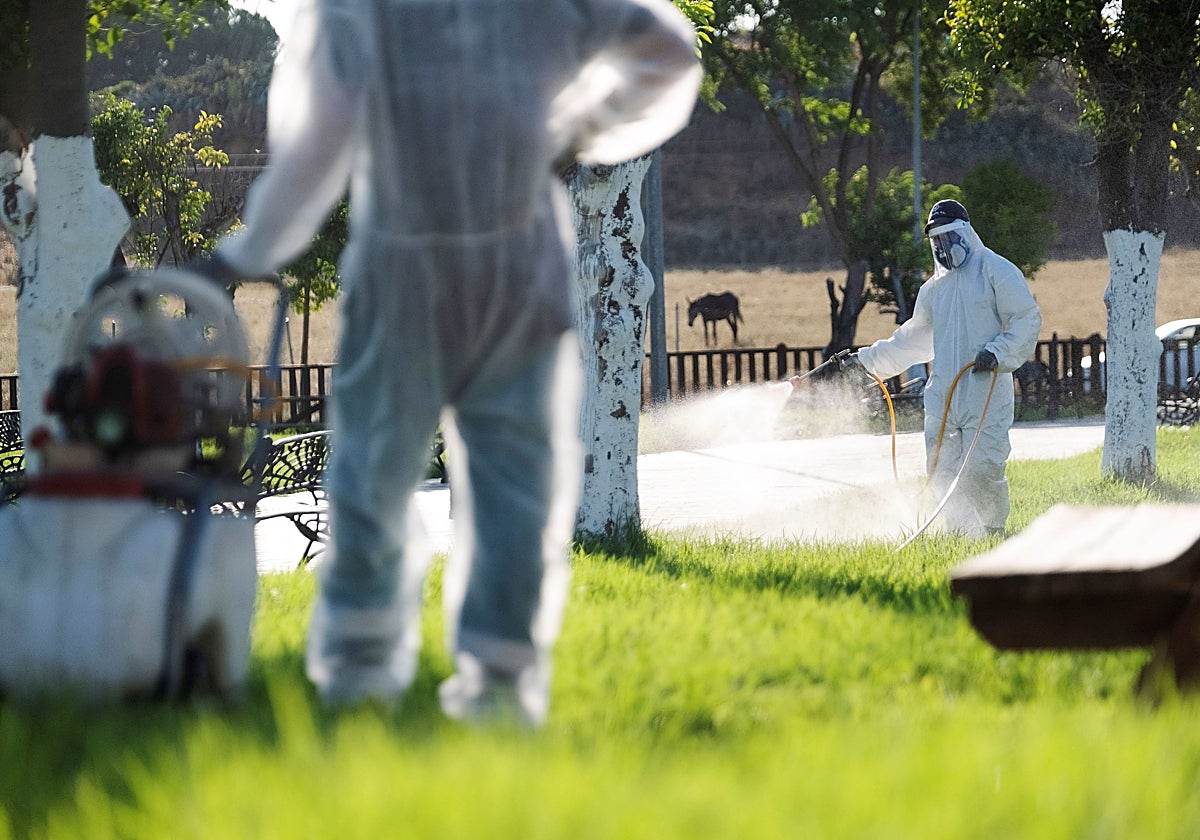
A TOTAL of 56 of the 62 cases of the West Nile virus in Andalucía in 2026 were in Seville province, five in Huelva ... and one in Malaga.
The only confirmed case in Malaga concerns a 69-year-old Pizarra resident who remains at the Clínico hospital's ICU, with the disease in its neuroinvasive phase.
The annual incidence in southern Andalucía, and particularly in Seville, is striking, although, according to experts, the province has the perfect conditions for the virus to spread. One virologist even suggested that, rather than the West Nile virus, it could now be called the Guadalquivir virus, because it has come to stay.
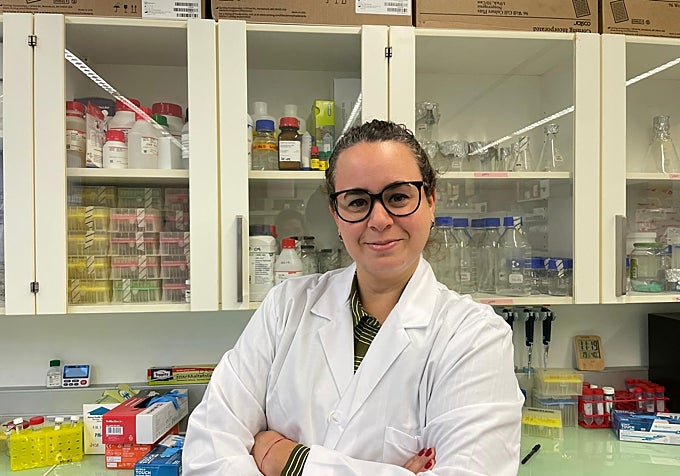
Biologist and co-principal investigator of the immune response to viral infections group at the Ibima Bionand platform Ana María Ortega Prieto explains why the virus is circulating more widely in Seville than in Malaga.
"It is probably linked, among other factors, to the environmental and biological conditions that favour the transmission of the virus. For this virus to circulate intensively, there must be a combination of susceptible birds, mosquitoes capable of transmitting it and environmental conditions that allow this cycle to be maintained and amplified," she says.
Wetlands
"In certain areas of Seville, particularly in certain parts of the lower Guadalquivir, these factors coincide in a particularly favourable way, as there are large tracts of wetlands, rice fields, canals and floodplains, with an abundance of birds and significant populations of mosquitoes of the genus Culex. All of this facilitates the circulation of the virus among birds and mosquitoes and, when the proportion of infected mosquitoes increases, leads to infections in humans," Ortega Prieto explains.
But what is the West Nile virus?
"The West Nile virus is an RNA virus belonging to the Flaviviridae family, the same family as, for example, the dengue and Zika viruses. Its natural cycle is primarily between birds and mosquitoes. When an infected mosquito bites a person, it deposits the virus on the skin. From there, initial replication and a phase of viraemia, that is, the presence of the virus in the blood, may occur. In most people, the immune system controls the infection without any symptoms appearing or causing only a febrile illness. In a very small proportion of cases, less than one per cent, the virus can reach the central nervous system and lead to more serious consequences, including meningitis, encephalitis or even death," the biologist says.
In any case, the virus is already in Malaga. "It is circulating in the area and has been transmitted to humans. This is a significant epidemiological sign and justifies stepping up surveillance and mosquito control in the area."
Currently, Campanillas, Pizarra, Cártama and Alhaurín de la Torre are under alert. "However, a single human case does not necessarily mean that we are facing a major outbreak or that there is a high risk to the entire population of Malaga," Ortega Prieto says.
It also doesn't mean that there haven't been more infections. "As I said before, most infected people do not develop symptoms and, therefore, many infections may go unnoticed."
The main route of infection is the bite of an infected mosquito, "primarily of the genus Culex". "The mosquito becomes infected beforehand by feeding on the blood of a bird with the virus circulating in its body."
After a period during which the virus replicates within the mosquito, it can "transmit it to another bird or to a person". Consequently, "factors such as temperature, mosquito abundance and their survival rates have a significant influence on transmission".
Can an infected person pass the virus on to another person directly, through everyday contact? No, Dr Ortega Prieto states.
"Humans are accidental hosts for this virus, as we generally have too low a viral load in our blood for a mosquito to bite us, become infected and continue the cycle of transmission."
That said, "some exceptional routes of transmission have been reported, such as transmission via blood transfusions or organ transplants and, very rarely, from mother to child during pregnancy, childbirth or breastfeeding".
However, there is no denying that the virus is circulating. "Around 20 per cent may develop what we call the West Nile fever, which includes the onset of fever, headache, fatigue, muscle or joint pain and, occasionally, a skin rash," Dr Ortega Prieto says.
The "truly concerning" signs are those indicating possible neurological involvement: severe headache accompanied by a high fever, neck stiffness, disorientation or altered level of consciousness, tremors, convulsions, significant muscle weakness or paralysis. If these symptoms occur, immediately seek medical assistance.
"Among the risk factors associated with the development of severe disease are advanced age, immunosuppression and certain chronic conditions," the biologist warns.
At the same time, "these factors do not explain everything: individual differences in the immune response and genetic factors probably also play a role".
This is Dr Ortega Prieto's field of study at Ibima: "We still do not fully understand why, when faced with the same virus, the course of the disease can vary so greatly from one person to another."
Birds "are the main natural hosts and amplifiers" of the virus. "Some species can develop sufficiently high concentrations of the virus in their blood to infect the mosquitoes that feed on them," she says, adding that the West Nile virus is maintained in the wild "through a mosquito-bird-mosquito transmission cycle".
Humans "accidentally become part of that cycle when one of these infected mosquitoes bites us". "The same applies to horses," Dr Ortega Prieto says.
Temperature
For the virus to circulate more widely, "the key is that there is a convergence of many competent vector mosquitoes, circulation of the virus among birds and conditions that allow those mosquitoes to survive long enough to transmit it".
One of the main causes of circulation is the temperature of the environment, as it "impacts the mosquito's life cycle and the rate at which the virus replicates within it".
"The availability of water determines where the larvae can develop. Humidity influences the survival of adults. The risk arises from the interaction of all these variables," Dr Ortega Prieto explains.
Climate change is a significant factor in this equation, "as rising temperatures can extend the annual period of mosquito activity, favour their survival in certain areas and accelerate the development of both the mosquito and the virus within it".
"It can also alter the geographical distribution of some species. However, it is important to bear in mind that the epidemiology of these diseases also depends on many other factors, such as water availability, changes in land use, urbanisation, bird movements, the international movement of people, the introduction of viruses from endemic regions and vector control measures," the biologist says.
Dengue fever
The Andalusian regional government is also now monitoring diseases such as dengue and chikungunya.
"Some vector mosquitoes are expanding their geographical range. The clearest example is the tiger mosquito, which can be found across large parts of Spain and can transmit dengue, chikungunya and Zika," local experts say.
"We live in a highly connected world where a person may become infected in an area where dengue or chikungunya is already circulating and travel to Spain while the virus is still present in their blood. If, during that period, they are bitten by a vector mosquito, the mosquito may become infected and subsequently transmit the virus to another person," they explain.
To reduce the risk of bites, the most important thing is to "avoid them and reduce the places where the insects breed".
It is therefore advisable to "use approved repellents, mosquito nets and clothing that covers the skin, especially at dusk and at night. It is also essential to avoid or remove standing water in plant pots, buckets, containers, drains, ponds, washing areas and swimming pools, as these are places where they can breed".
In any case, "it is too early to talk of a new health reality, but we are certainly seeing that these mosquito-borne infections are requiring increasing attention", as Dr Ortega Prieto warns.
![[]](http://static.vocstatic.com/voc26/latest/assets/images/favicon/surinenglish/apple-touch-icon-57x57.png)