
Health
Andalucía records second West Nile virus fatality following death of 89-year-old Seville province resident
The patient, who had pre-existing conditions, died in the Virgen del Rocío hospital in Seville
E. PRESS
Andalucía's regional ministry of health has confirmed the second West Nile virus death in the region so far this year. An 89-year-old ... resident of Utrera (Seville province) with pre-existing conditions died of meningoencephalitis as a result of the virus on 24 August.
Andalucía recorded the first fatality on 5 August, when an 82-year-old resident of Dos Hermanas, also in Seville province, died.
This summer, the region has detected 54 cases of West Nile virus in humans, of which 37 were mild and 17 severe, including the two deaths. Four patients remain in hospital. The rest have made a full recovery.
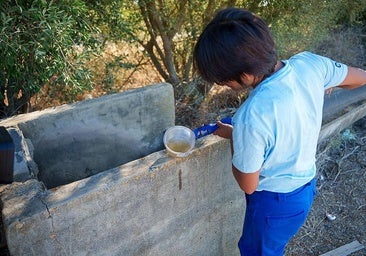
To date, laboratories have tested 566 people and the health authorities have screened 122 patients with viral meningitis for arboviral infections.
Currently, 27 municipalities, one district and one rural settlement in Andalucía are under alert: Pulpí (Almeria); Algodonales and Jerez de la Frontera (Cadiz); Hinojos (Huelva); Lopera (Jaén); Cártama and the district of Campanillas (Malaga); Almensilla, Aznalcázar, Benacazón, Bollullos de la Mitación, Castilblanco de los Arroyos, Coria del Río, Dos Hermanas, Gerena, Guillena, Huévar del Aljarafe, La Puebla del Río, Las Cabezas de San Juan, Los Palacios y Villafranca, Mairena del Aljarafe, Olivares, Palomares del Río, Pilas, San Juan de Aznalfarache, Sanlúcar la Mayor, Seville, Guadalema de los Quintero (Utrera) and Villamanrique de la Condesa (all in Seville).
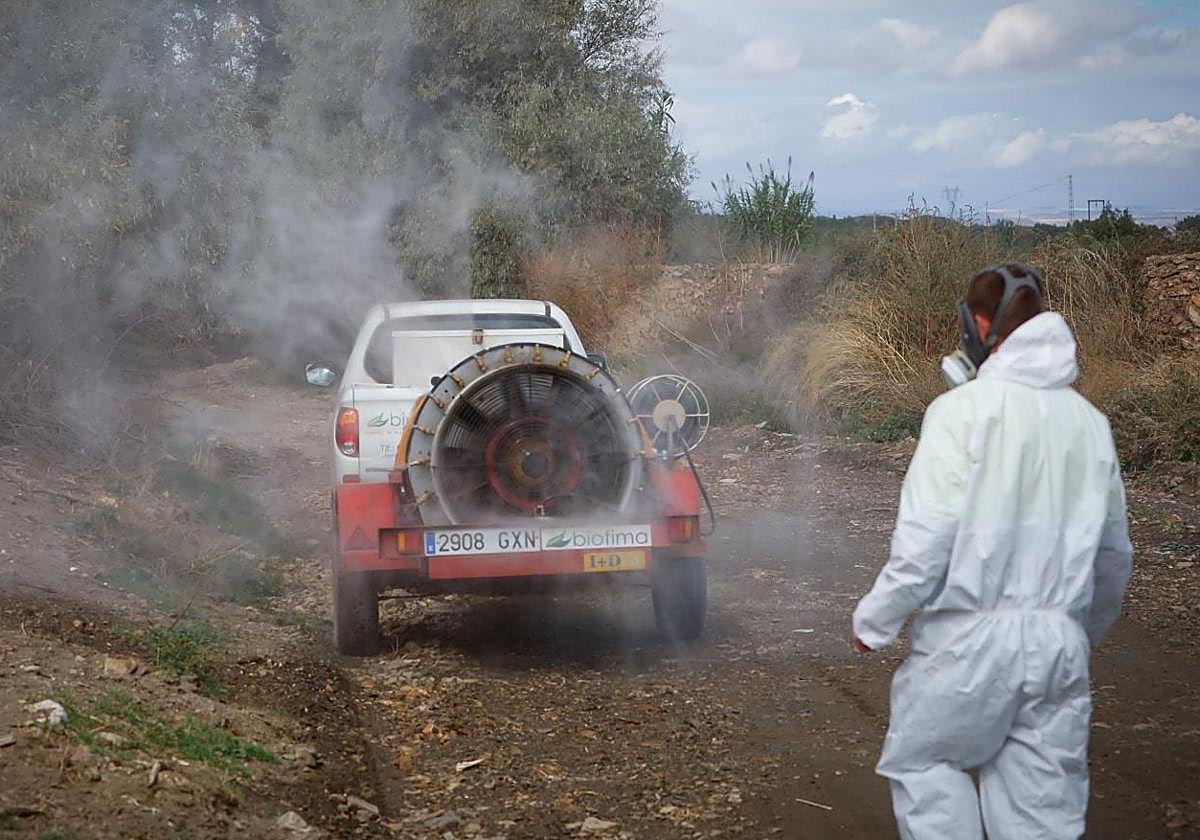
A state of alert due to the circulation of the virus calls for stepping up the three surveillance programmes (entomological, animal and human) in the area, launching community awareness campaigns and stepping up public communication efforts through local pharmacies and health centres.
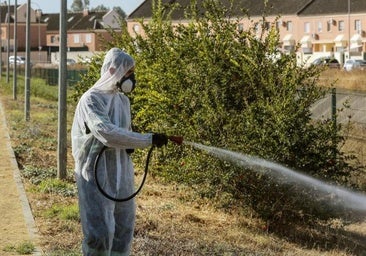
Local councils must step up measures to control and treat mosquitoes that transmit the disease not only in populated areas under alert but also in any place within 1.5 kilometres identified as larval breeding sites or adult refuges.
Animal monitoring
The authorities have also detected the circulation of the West Nile virus in seven wild birds in Andalucía, out of a total of 279 tested, and in two equidae. Since the start of the mosquito season, they have carried out 6,072 tests on 232 active traps, which have so far yielded 110 positive and 5,717 negative results.
Furthermore, over the past week, high densities of female disease-carrying mosquitoes have been detected in La Puebla del Río, Los Palacios y Villafranca, Isla Mayor, Villamanrique de la Condesa and Palomares del Río and a moderate density in Almensilla and El Viso del Alcor, all in the province of Seville.
The regional ministry has distributed 134 traps across all the provinces to monitor and control the spread of the virus in mosquitoes of the Culex genus, mainly Culex pipiens and Culex perexiguus.
It receives information from around 232 monitoring points to inform decisions on risk levels in each municipality.
In March, the FNO programme informed all Andalusian local councils of the risk level at the start of the peak season.
Currently, 127 municipalities are classified as high risk: six in Almeria, 18 in Cadiz, 14 in Cordoba, five in Granada, 15 in Huelva, nine in Jaén, eleven in Malaga and 49 in Seville. Public health officials deployed across the region have carried out 1,939 inspections in 725 municipalities.
Workers have also inspected drains and other control points in 375 municipalities. The FNO local projects teams (EPL-FNO) have carried out 3,093 direct activities, involving 64,890 people, as well as indirect activities with posters or through the radio.
![[]](http://static.vocstatic.com/voc26/latest/assets/images/favicon/surinenglish/apple-touch-icon-57x57.png)