
25 March 1523: The first stone of Granada Cathedral was laid
The construction of this Christian building on the site of the Great Mosque was supposed to begin earlier but was delayed by the sudden death of Queen Isabella
DEBBIE BARTLETT
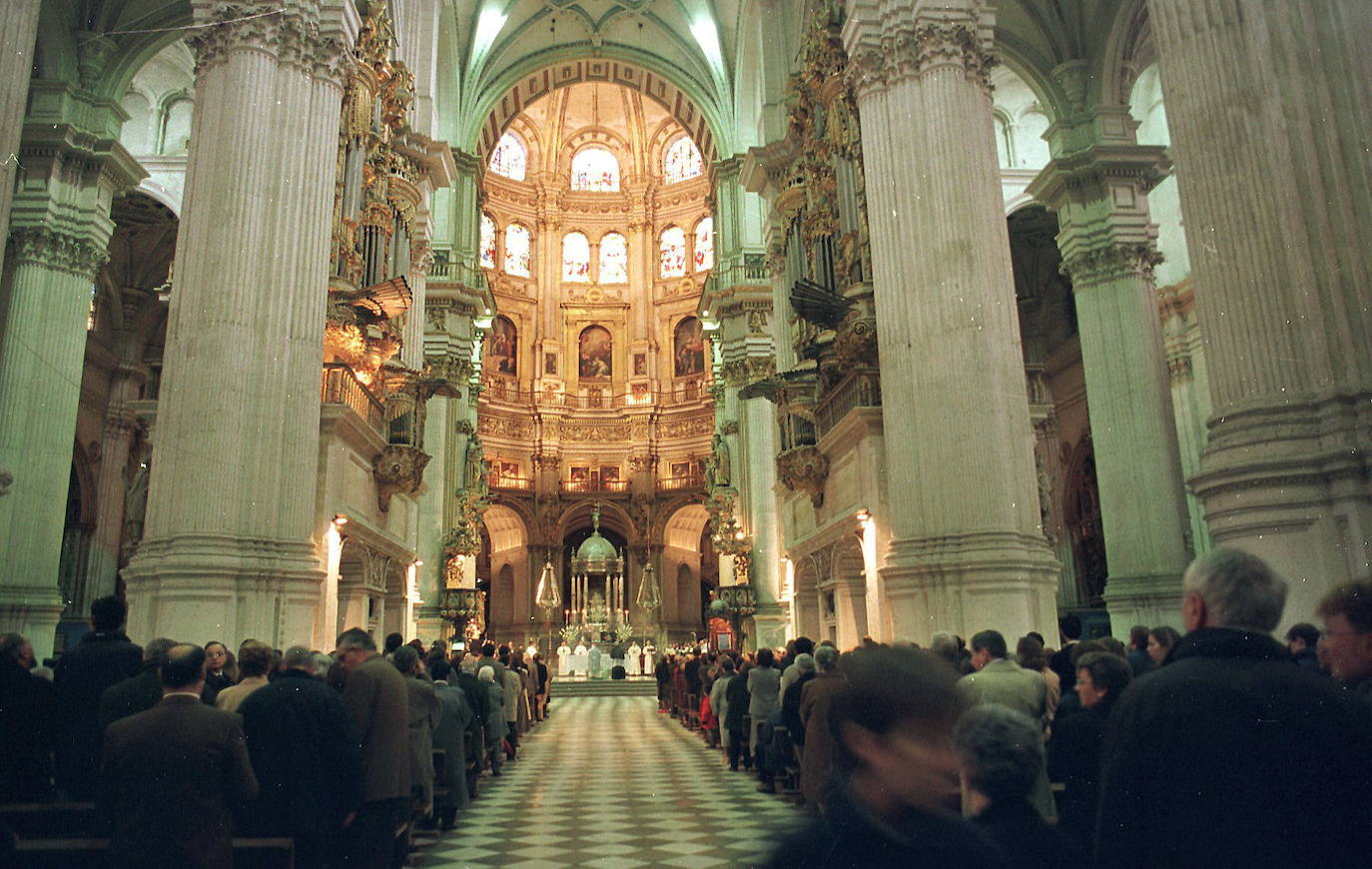
The magnificent cathedral in the city of Granada was the first Renaissance church to be built in Spain, and it is one of the most important, as a symbol of the Christian monarchs' reconquest of the peninsula after seven centuries of Moorish rule. In fact, the tombs of both King Ferdinand and Queen Isabella are in the Royal Chapel at the cathedral, together with those of their daughter, Juana the Madwoman, and son-in-law Felipe the Handsome.
Ferdinand and Isabella captured the city in 1492 and immediately made plans to do away with many Moorish buildings and replace them with Christian versions. As they had done elsewhere, they decided to build a cathedral on the site of the Great Mosque and, on this occasion in this city which was so special for them, to include the Royal Chapel inside so they could be buried there when they died.
However, when Queen Isabella died suddenly and unexpectedly in 1504 the plans changed: the Royal Chapel had to be built first to hold her tomb, and it was not until 25 March 1523 that the first stone of the cathedral itself was laid.
The plans for the Gothic-style cathedral had been drawn up by architect and sculptor Enrique Egas, but six years after construction began he was replaced by Diego de Siloé, who had become a great enthusiast of the Renaissance while studying in Italy. After convincing the King that the design should be changed to be more up-to-date, despite the considerable structural difficulties this would entail, he spent the rest of his life working on the project.
De Siloé died in 1563 and a series of other architects took over, but as time passed interest in the cathedral waned and it was not until 1704 that the impressive building, with its single 57-metre-high tower, massive interior columns, white marble inside walls and colourful stained-glass windows was completed and dedicated to Santa María de la Encarnación.
It is now one of Granada's most popular tourist attractions, and is visited by thousands of people from all over the world every year .
![[]](http://static.vocstatic.com/voc26/latest/assets/images/favicon/surinenglish/apple-touch-icon-57x57.png)