Pulses: healthy and packed with nutrients
Salads, pâtés and dips, cold purées and burgers... pulses can be enjoyed during the summer months as well as in winter
ESPERANZA PELÁEZ
Viernes, 6 de julio 2018, 14:29
We live in the age of superfoods, and every time we go shopping we are tempted by new ingredients that sometimes we don't even know how to cook. However, practically none of the products that have appeared in supermarkets in recent years can beat pulses for nutritional value. Did you know, for example, that lentils have as much protein as quinoa? Or that the chickpea contains as much calcium as cheese? Because of their low glycemic index and high fibre content, pulses are excellent options for people with diabetes; they are heart-healthy, an excellent source of vitamins and iron, antioxidants and low in fat.
For all these reasons, FAO, the United Nations Food and Agriculture Organisation, has been promoting the consumption of pulses for years.
In Spain, for example, the four weekly rations that were consumed in the 1960s, has now dropped to 1.4 servings per week, according to data from the Ministry of Agriculture, Food and Fisheries. That is, about 12.4 grammes a day, a long way from the recommended 25 to 45 grammes a day.
And if that were not enough, its cultivation enriches the soil, uses little water, emits low amounts of carbon dioxide into the atmosphere and reduces the need to use chemical fertilisers.
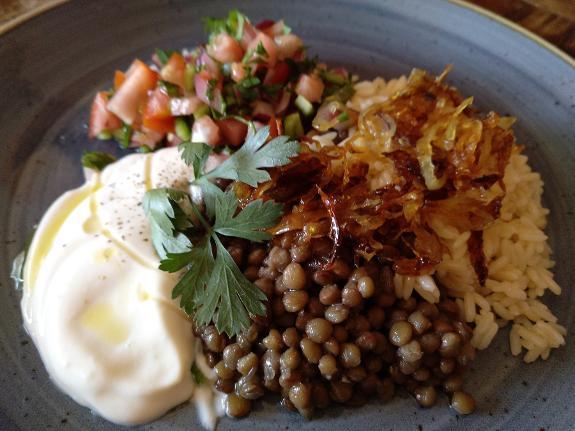
In our grandparents' time, dishes made with pulses were consumed all year round. Today, although we value pulses, we are less inclined to eat hot and hearty casserole dishes in the summer, but there are many alternatives that we can continue to enjoy the palette of shapes, colours, flavours and textures that pulses offer. And if your excuse is that it is to much trouble to have to remember to soak and cook them, there are different solutions. It is possible to soak, cook and store pulses in the fridge with their cooking water to add to different dishes, and secondly, you can buy them already cooked.
Pulses can be added to salads and grilled vegetables, with any type of accompaniment. Beans combine very well with sauces such as pesto, green mojo, garlic mayonnaise or parsley and lemon dressing. In addition, lemon and any fruit rich in vitamin C, helps with the absorption of iron.
Another way of eating pulses in the summer is to make them into burgers and vegetable croquettes. The classic falafel, original originating from the Middle East, can be made with chickpeas or beans. Burgers are usually made with cooked pulses mixed with onion, garlic and various seasonings.
Or you can simply add cooked chickpeas or beans to your usual meals, even to stir-fries and pasta recipes, turning them into completely different dishes.