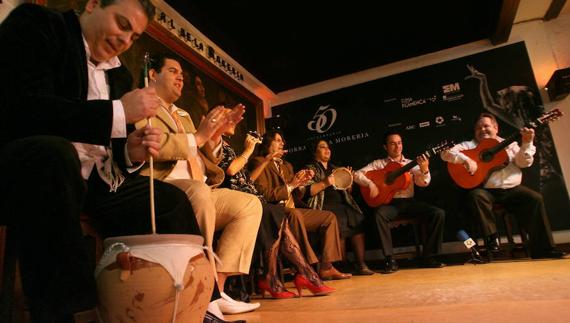
Andalucía stays faithful to 'villancicos' tradition during the 'fiesta zambomba'
The zambomba is a percussion instrument that would once have been made from an old paint tin or flower pot
TONY BRYANT
Viernes, 22 de diciembre 2017, 17:45
Spanish Christmas carols, 'villancicos', originate from medieval peasant songs called 'canto de villano'. Villancicos gained popularity in the second half of the 16th century in Spain and these devotional songs, which were sung during the feasts of the Catholic calendar, became extremely popular in the 17th century. With the decline in popularity of the villancicos in the 20th century, the term became used to signify a Christmas carol.
In Andalucía the villancicos are performed during the 'fiesta zambomba'. The name derives from the instrument that is traditionally used to accompany these lively festive songs. The zambomba is a percussive instrument that would once have been made from an old paint tin or flower pot, over which a membrane is stretched: a stick attached with small cymbals is inserted through the skin and this is moved up and down to create a droning rhythm.
Frying pans, anis bottles and an array of home-made rhythmic instruments are also used to accompany these songs, known in Andalucía as the flamenco Christmas carols. The tunes are to all sorts of rhythms but in general they are performed in the style of the flamenco 'bulerias', 'tientos' or r'umbas'.
Jerez de la Frontera is the foremost city where the fiesta zambomba takes place in the week leading to Christmas, but most towns will present zambomba nights in their central plazas.