
Society
Homelessness grows by 57%, with more than 8,000 people living on Andalucía's streets
The association for human rights APDHA calls for 'less charity and more justice' and greater support by regional administrations
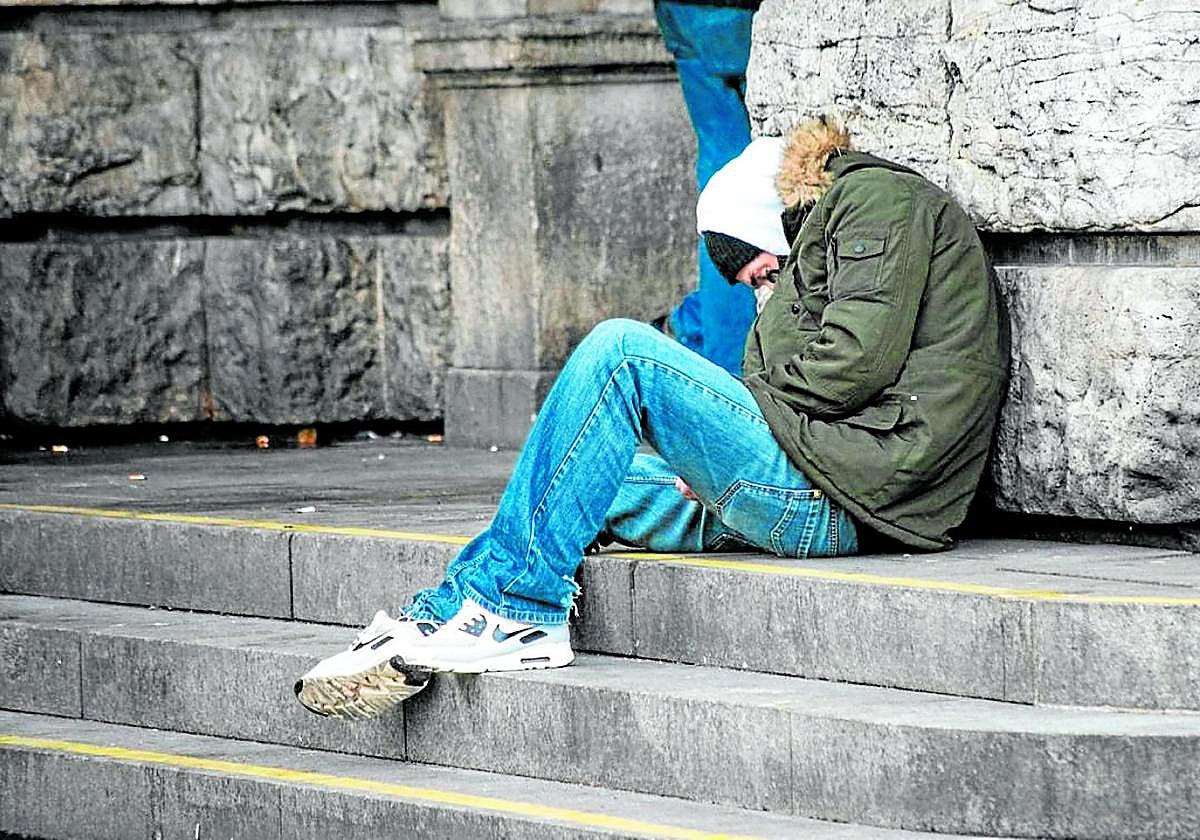

Homelessness is growing in Andalucía. In the last two years, there has been a 57% increase in the number of people living on the streets of the region's cities and towns, according to data provided by the Andalusian human rights association (APDHA).
According to this NGO, the number of people currently homeless in the region is higher than 8,000, but this figure might be only "the tip of the iceberg" of a problem that continues growing. The official figure only reflects the people who have applied for some kind of help or have received some official attention.
Andalucía's homelessness problem "has widened" since 2008, according to the APDHA report, which uses data collected from the national institute of statistics (INE). It is a common misconception that only people with mental health disorders or addictions such as alcoholism or drug abuse contribute to homelessness statistics. There is a growing number of evicted families, immigrants in an irregular situation, young people in exile and victims of gender-based violence. In fact, according to the NGO, many people who would have never imagined it before can end up living on the street.
The growth in the number of homeless people concerns the whole country, especially big cities. In Andalucía, only three provincial capitals (Jaén, Almeria and Huelva) have responded to APDHA's request for information about homeless people.
Along with the homeless, there are many others who live in precarious conditions in substandard housing or settlements. According to deputy coordinator of APHDA Macarena Olid, many "lack decent housing", but their living conditions are not recognised by city councils as this would bring "shame".
Pro Derechos Humanos denounces the insufficient support from the administrations in Andalucía and calls for "less charity and more justice".
Moreover, the 174 centres that provide care for the homeless, of which only 25 are public, lack staff. Those who work there do so on a voluntary basis.
APDH denounces the invisible life that homeless people have and "the lack of public resources to provide them with dignified care". According to Pro Derechos Humanos, Andalucía is the region that spends the least on assistance to homeless people. In addition, 46% of people living in rented accommodation in the region are at risk of poverty or exclusion and there are 200,000 children in severe material or social deprivation.
Pro Derechos Humanos also criticises the "unacceptable requirements" that are imposed on people without a home, even for overnight stays in shelters or similar centres, which leads them to live on the streets. It also warns that the high level of poverty and social exclusion, together with cuts in public services and job insecurity, place Andalucía "on the brink of the abyss".
APDHA plans to launch an information and awareness-raising campaign under the title 'Homeless and invisible for all to see' to denounce the "dehumanisation" that this problem is acquiring.
![[]](http://static.vocstatic.com/voc26/latest/assets/images/favicon/surinenglish/apple-touch-icon-57x57.png)