
Archaeology
Unlocking the secrets of Cova Dones: How a Valencian cave revealed the Roman world’s largest subterranean shrine to women
Archaeological breakthroughs in Millares, Eastern Spain, uncover over 120 Latin wall inscriptions dedicated to an ancient water goddess - rewriting what we know about female ritual power in the Roman Empire
Dilip Kuner
Two hundred metres into pitch darkness, beneath the limestone cliffs of Millares in eastern Spain, a revolution in Roman archaeology is taking shape.
What was once thought to be a modest underground shrine has transformed into the most text-dense Roman cave-sanctuary ever discovered across the ancient Mediterranean world.
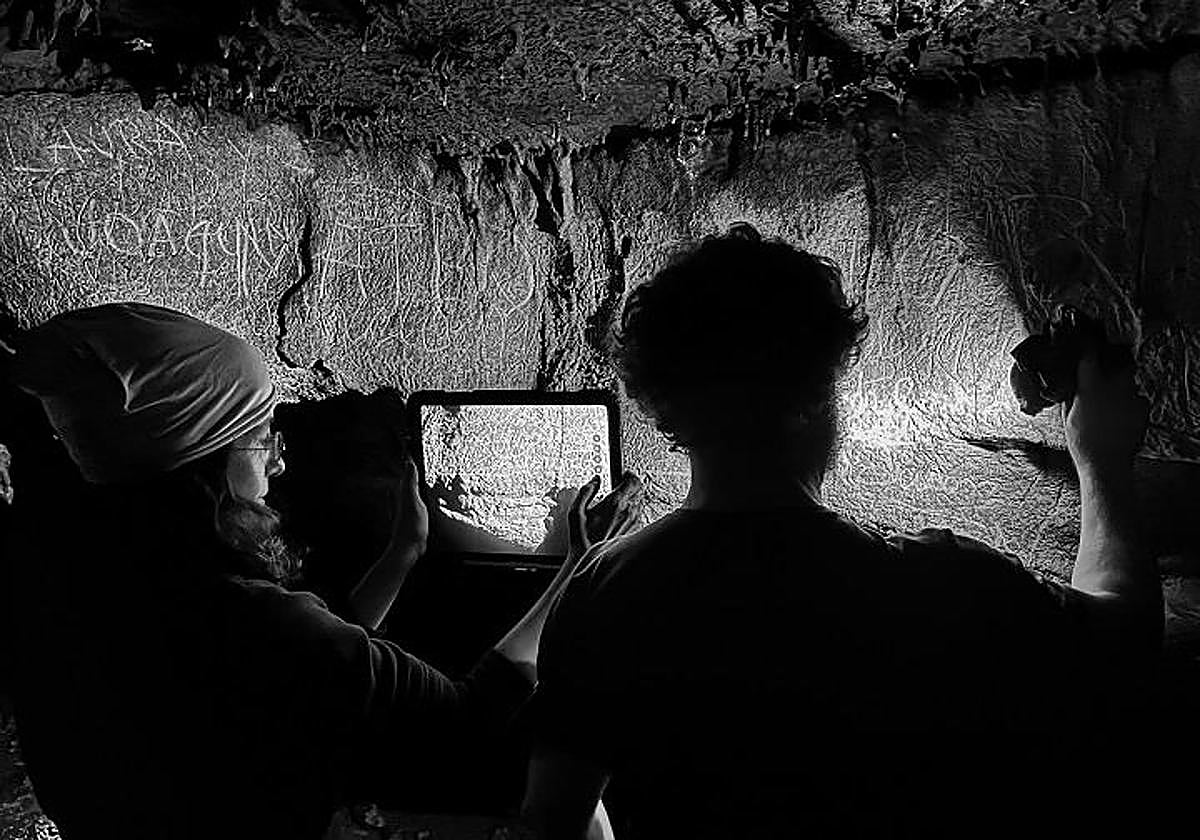
Following an excavation campaign this summer, archaeologists from the Universities of Alicante and Zaragoza have confirmed the discovery of more than 120 Latin inscriptions carved directly into the rock walls and ceilings of Cova Dones (The Cave of Women).
Dating primarily to the 1st and 2nd centuries AD, these newly deciphered writings offer an intimate window into the lives, desires, and spiritual agency of Roman women.
A cult of their own
While male perspectives dominate much of the surviving literature of classical antiquity, the deep chambers of Cova Dones tell a strikingly different story.
"Preliminary findings indicate that Cova Dones was a sanctuary frequented predominantly by women," explains Dr Virginia Barciela, co-director of the project from the University of Alicante. "We see multiple female names etched into the cave walls, accompanied by physical offerings that directly reflect women's daily realities."
Related story
Among the subterranean rock formations, researchers uncovered dozens of terracotta and stone spindle whorls (fusayolas) - tools used for spinning thread. Long associated with female domestic life and sacred textile production, these objects were left alongside bronze finger rings, delicate bracelets, and decorated ceramic vessels in natural rimstone pools (gours) supplied by underground water channels.
Most compelling of all is a cluster of votive inscriptions dedicated to a previously unrecorded deity. Epigraphist Dr Silvia Alfayé identified text reverently invoking Domina ("The Lady"), alongside an unprecedented epithet: MALACI.
"This title appears to reference a local water goddess whose specific cultic traits we are currently working to fully decipher," says Alfayé. "Women were not merely passive participants here; they drove the ritual practices of this sanctuary."
Beyond casual visits
The organised nature of the finds refutes any notion that early visitors were simply passing through or leaving sporadic graffiti.
"The concentration of at least five separate inscriptions dedicated to Domina in a deliberate, isolated chamber proves we are looking at an organised, established cult," notes Dr Sergio García-Dils of UNED-Sevilla. "This was intentional worship requiring structured ritual knowledge."
The physical context reinforces the mystery. Accessing the "Roman Sanctuary" requires navigating dark, narrow passages over 200 metres from the cave entrance. That devotees traveled deep into the karst system carrying lamps, pottery, bronze jewelry, and tools underscores the profound spiritual importance of the underground waters.
Dr Barciela notes that even the traditional name of the site holds historical weight. "The local name Cova de les Dones - the Cave of the Women - may well be a thousand-year-old linguistic fossil preserving the memory of the female worshippers who gathered here millennia ago."
A multi-layered wonder
The 2026 discovery is only the latest chapter in Cova Dones' rise to international prominence.
When the DONARQ project began exploring the site in 2023, funding from the British Academy and the Generalitat Valenciana led to the identification of eastern Iberia’s largest collection of Paleolithic cave art - featuring ice-age animal engravings over 24,000 years old. Subsequent seasons in 2024 and 2025 uncovered Roman coinage from Emperor Claudius and over 100 prehistoric "speleofacts" - stalagmites broken and rearranged by early humans in a rare display of landscape engineering.
"Dones is a unique site for studying human spirituality across immense timescales," states co-director Dr Aitor Ruiz-Redondo. "Whether lured by permanent water sources, the awe of the karst landscape, or sacred traditions passed down generations, humans have treated this cave as a place of refuge and reverence for over 200 centuries."
Protecting the past for the future
As epigraphists continue deciphering the remaining texts on-site, regional authorities in Valencia are moving to protect the vulnerable site. Through the Pla Restaura initiative, project teams are constructing safe visitor access controls and developing a comprehensive 3D "digital twin" of the cavern.
While physical entry into the deep sanctuary will remain restricted to safeguard the fragile rock art and epigraphy, interactive virtual reality experiences will soon allow the public to explore the ancient shrine online.
For now, deep in the mountains of Millares, Domina and her ancient worshippers are having their voices heard after 2,000 years of silence.
![[]](http://static.vocstatic.com/voc26/latest/assets/images/favicon/surinenglish/apple-touch-icon-57x57.png)