
Extra Helicópteros Sanitarios
Complex heart rhythm disorders treated by internationally recognised specialists
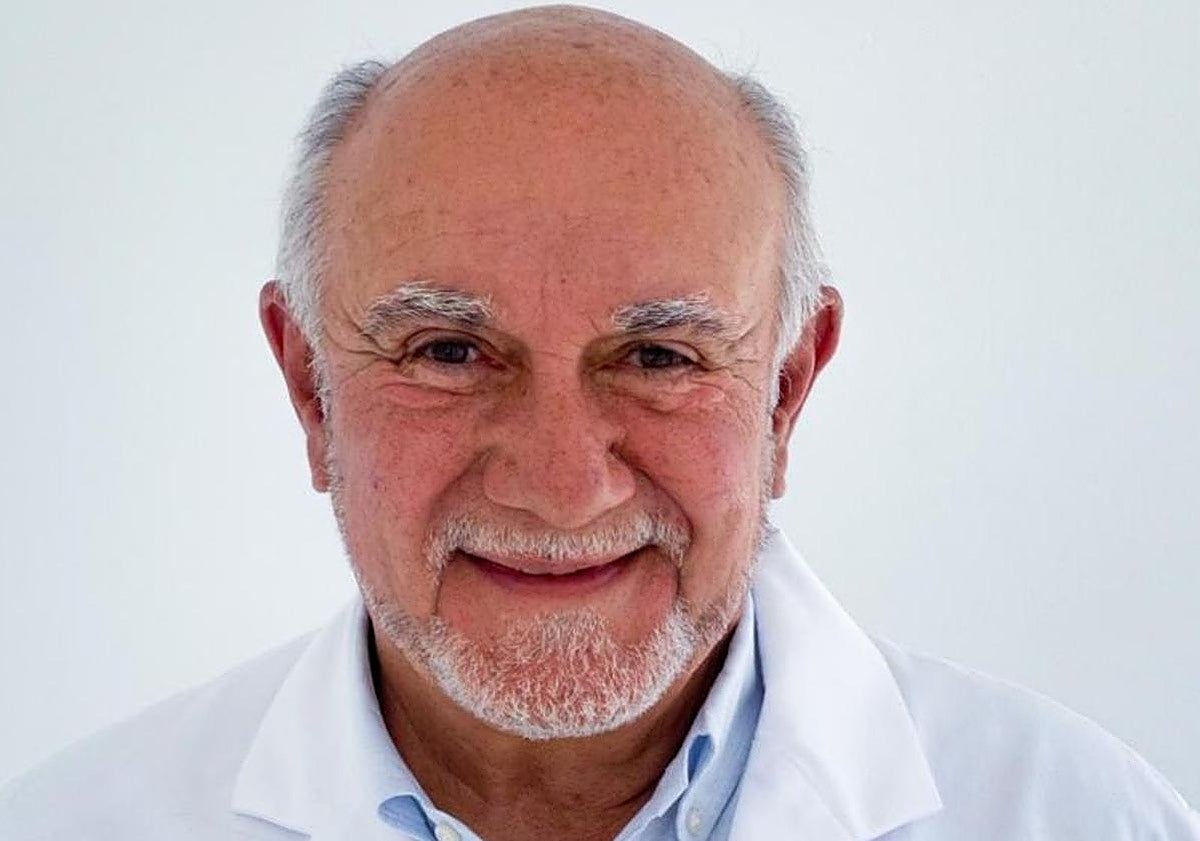
Professor Emeritus Dr Pedro Brugada leads the Arrhythmia Unit at Helicópteros Sanitarios, offering patients on the Costa del Sol access to advanced diagnosis and treatment for a range of heart conditions
SUR in English
Marbella
When it comes to the diagnosis and treatment of heart-rhythm disorders, few names carry as much international recognition as Professor Emeritus Dr Pedro Brugada. A pioneer in cardiac electrophysiology, his research has helped transform the understanding of inherited heart conditions and influenced how arrhythmias are diagnosed and treated around the world.
Today, patients on the Costa del Sol can benefit from that expertise at the Arrhythmia Unit of Helicópteros Sanitarios Hospital in Puerto Banús, where Professor Brugada serves as director of the unit alongside Professor Dr Juan Sieira. Together, they combine decades of clinical experience with the latest advances in electrophysiology, delivering highly specialised care within the hospital’s multidisciplinary Department of Cardiology.
Professor Brugada continues to practise as Senior Consultant at UZ Brussel and is CEO of the Medical Centre Prof. Brugada in Aalst (both in Belgium). Alongside his international commitments, he regularly consults and performs procedures in Marbella, bringing world-class expertise to patients living in or visiting southern Spain.
Brugada syndrome
Over the course of his career, Professor Brugada has authored hundreds of scientific publications and has been at the forefront of research into cardiac arrhythmias. His best-known contribution came with the identification of the inherited condition now known as Brugada syndrome, a genetic disorder that can cause dangerous heart-rhythm disturbances and sudden cardiac death in otherwise healthy individuals.
The discovery revolutionised the understanding of inherited electrical diseases of the heart and has enabled thousands of patients worldwide to be diagnosed, monitored and treated before potentially life-threatening events occur.
That same commitment to innovation continues to shape the work carried out at Helicópteros Sanitarios Hospital, where every patient receives a thorough assessment aimed not only at treating an abnormal heart rhythm but also at identifying its underlying cause.
Understanding the root cause
Heart-rhythm disorders, or arrhythmias, can arise for many different reasons. Some are linked to previous heart attacks, diseases affecting the heart muscle or inherited conditions, while others develop with age or alongside other cardiovascular problems. Effective treatment therefore requires more than simply correcting the irregular heartbeat. Understanding why the arrhythmia has developed is often the key to achieving the best long-term outcome.
The Arrhythmia Unit forms an integral part of the Department of Cardiology and works closely with other specialists to provide a comprehensive approach to patient care. Using advanced diagnostic technology, the team can accurately identify the type of arrhythmia and recommend the most appropriate treatment for each individual.
One of the greatest advances in modern electrophysiology has been the development of catheter ablation, a minimally invasive procedure that can eliminate the source of many abnormal heart rhythms. For a large number of patients, this means long-term medication is no longer the only treatment option.
Catheter ablation is performed by specialist cardiologists known as electrophysiologists, who guide fine catheters into the heart to identify and precisely treat the tissue responsible for the arrhythmia. Depending on the condition, treatment may involve radiofrequency ablation, which uses controlled heat, or cryoablation, which uses extreme cold to isolate the abnormal electrical pathways. Helicópteros Sanitarios Hospital is fully equipped with the specialist technology required to perform both techniques.
Treating atrial fibrillation
A particular area of expertise is the treatment of atrial fibrillation, the most common sustained heart-rhythm disorder. As well as causing symptoms such as palpitations, breathlessness and fatigue, atrial fibrillation significantly increases the risk of stroke because blood clots can form inside the left atrial appendage, a small pouch within the heart.
Traditionally, patients have relied on lifelong anticoagulant medication to reduce this risk. While highly effective, these medicines can increase the likelihood of major bleeding complications, including gastrointestinal bleeding and haemorrhagic stroke.
Under the leadership of Professor Brugada and Professor Sieira, the Arrhythmia Unit offers a comprehensive approach to atrial fibrillation. In many suitable patients, catheter ablation can be combined during the same procedure with left atrial appendage occlusion. This involves implanting a specially designed device that seals the area where the vast majority of blood clots associated with atrial fibrillation originate.
Clinical studies have shown that left atrial appendage occlusion is at least as effective as long-term anticoagulant therapy in preventing thromboembolic events while significantly reducing the risk of serious bleeding in appropriately selected patients. Performing both procedures during a single intervention can also minimise hospital stays and simplify treatment.
Access to world-leading specialists
Professor Brugada and Professor Sieira have built their reputations on combining scientific research with practical patient care. Together they continue to contribute to advances in cardiac electrophysiology while offering patients in Marbella access to treatments that, until relatively recently, were available only at a limited number of highly specialised centres.
For residents and international visitors alike, the Arrhythmia Unit at Helicópteros Sanitarios Hospital represents an opportunity to receive care from one of the world’s leading authorities on heart-rhythm disorders, supported by a multidisciplinary team committed to delivering the latest evidence-based treatments close to home.
![[]](http://static.vocstatic.com/voc26/latest/assets/images/favicon/surinenglish/apple-touch-icon-57x57.png)