
History
Archaeologists search for origin of ancient Malaga as Cerro del Villar dig resumes
Fifth digging campaign at Phoenician settlement aims to reach 8th-century BC strata and link site to nearby sanctuary

Málaga
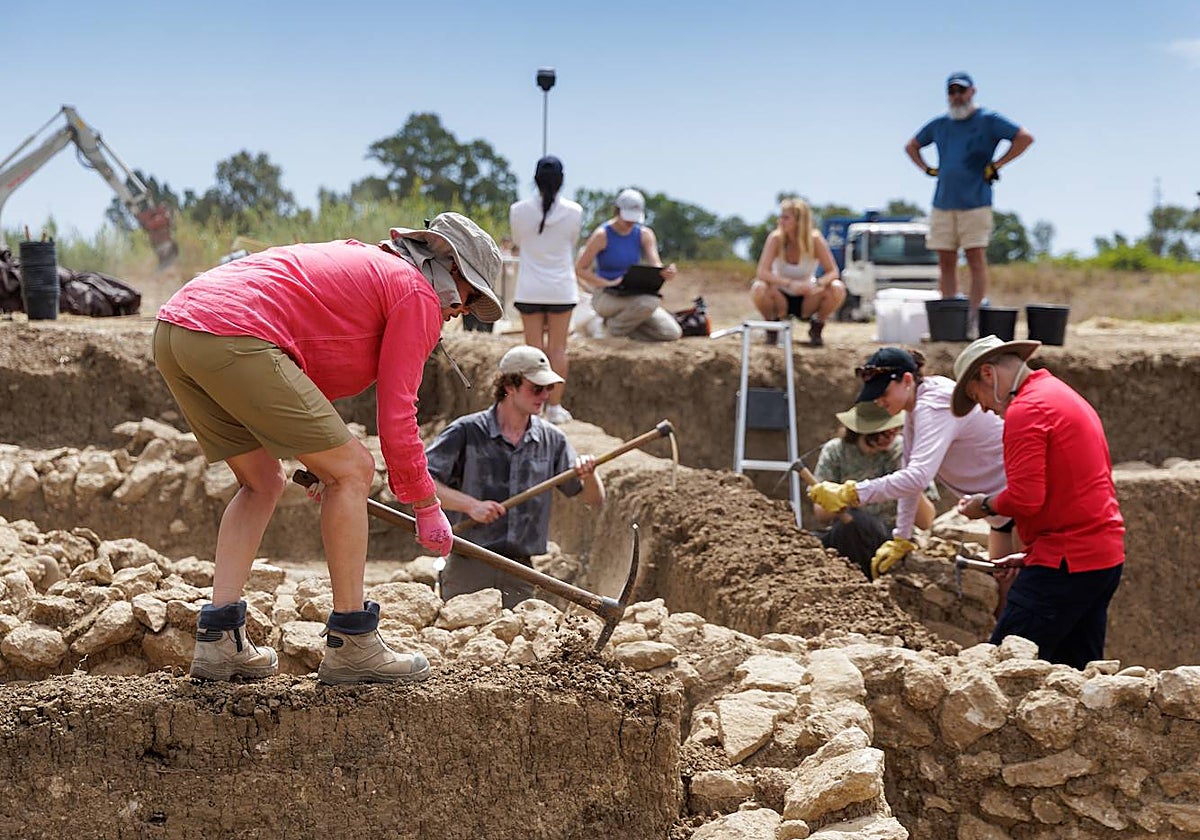
The mouth of the Guadalhorce river is once again revealing its secrets about the origins of Malaga. The fifth excavation campaign of the Phoenician settlement at Cerro del Villar ... , situated in the ancient river delta, began this week.
Archaeologists have a clear objective: to reach the site's oldest layers, dating from the second half of the 8th century BC, to uncover the origins of the settlement that served as the forerunner to modern Malaga.
Following previous campaigns that uncovered a large public building, shell-paved flooring, ancient harbour areas, and a Punic-period pottery workshop, researchers hope to continue piecing together the puzzle of the Archaic period.
Related story
This era marked the arrival of the Phoenicians and their settlement in a strategic location that facilitated trade along the Guadalhorce valley while connecting to the nearby 9th-century BC sanctuary of La Rebanadilla near Málaga Airport.
"The excavation is at the very beginning of the project, so this year we hope to reach the level of the oldest strata, dating from the 8th century BC," said José Suárez Padilla, an archaeologist and lecturer at the University of Málaga (UMA).
Suárez leads the international project alongside specialists from the universities of Seville, Córdoba, Jaén, Cádiz, Chicago, and Marburg, as well as the Spanish National Research Council (CSIC) and the Central Research Support Services (SCAI).
He explained that the team aims to "complete the sequence of the Phoenician occupation of the bay and establish the link between Cerro del Villar and the earlier sanctuary at La Rebanadilla".
"We want to continue exploring this highly complex and well-preserved urban layout, with the addition of a major public building, which is one of the project’s greatest contributions," Suárez said
Sectors 11 and 13 are the focus for investigating the settlement's most archaic areas. Researchers also intend to clarify the architectural layout of the 7th century BC, which represented the island's golden age.
"We want to continue exploring this highly complex and well-preserved urban layout, with the addition of a major public building, which is one of the project’s greatest contributions," Suárez said.
Over the next four weeks, teams will excavate several rooms where Greek and Etruscan imported pottery has already been recovered, demonstrating the site's significant economic activity during the period.
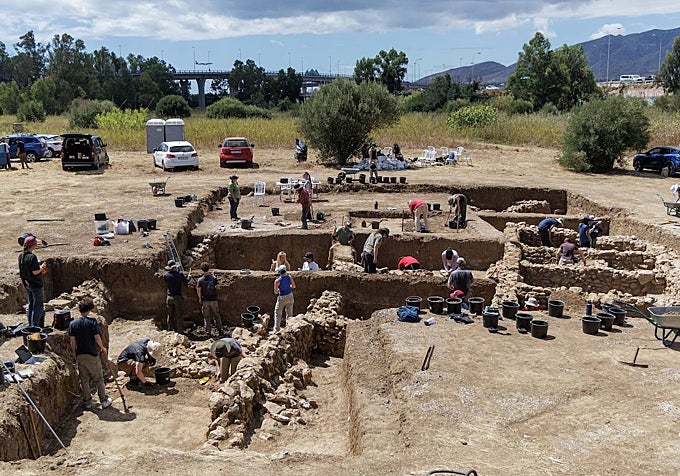
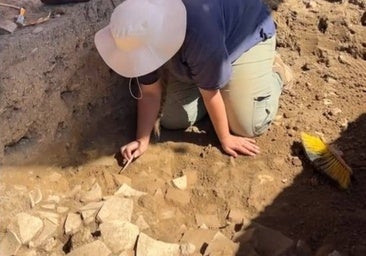
With preliminary clearance work complete, the site is active with academics, archaeologists, and student volunteers from the universities of Málaga and Chicago, as well as participants from the UMA’s Senior Citizens’ Study Group.
The research at Cerro del Villar is currently the only systematic project in Spain dedicated to examining this early phase of the Phoenician presence in the Far West. The UMA-led initiative is funded by the Regional Ministry of Culture, Historical Heritage and Sport of the Regional Government of Andalucía, with support from Malaga City Council and the Provincial Council.
Continuous trade into the Roman era
Excavations are also proceeding in the southern area, designated Sector 14. Here, work has revealed a Punic pottery workshop that operated from the second half of the 6th century BC until the 5th century BC.
The discovery of a Punic-period pottery workshop has made it possible to extend the period of occupation of the island from the 8th century BC to the 5th century BC
"Preliminary research carried out by María Eugenia Aubet between 1987 and 2003 confirmed the presence of the site from the second half of the 8th century to the first half of the 6th century," Suárez explained. "With this discovery, we have established that this workshop maintained uninterrupted activity."
He noted that when the main population shifted to what is now Malaga city in the mid-6th century, the island was not abandoned entirely, as pottery production continued.
Occupation at the site extended into the Roman era, evidenced by a fish-salting factory built directly above the former Phoenician pottery production area.
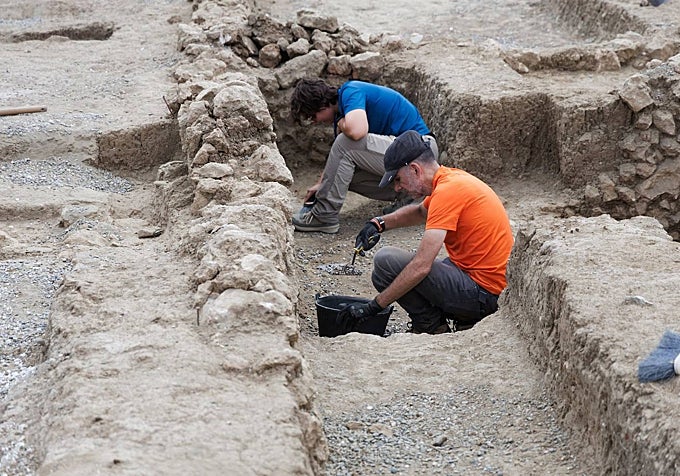
"We have observed that beneath some Roman buildings there are structures with an orientation similar to that of the site’s entrance, so we want to dig deeper to investigate the earlier development of the Punic factory," Suárez added.
The findings over the coming weeks will shape the next multi-year phase of the overarching project, titled Cerro del Villar: nature and chronology of the archaic Phoenician territorial project in the Bay of Malaga.
![[]](http://static.vocstatic.com/voc26/latest/assets/images/favicon/surinenglish/apple-touch-icon-57x57.png)