
Climate change
Spain starts counting the dog days of summer: will temperatures rise even further?
Temperatures are soaring across most of Spain and the situation doesn't appear likely to improve in the short or medium term
Raquel Merino
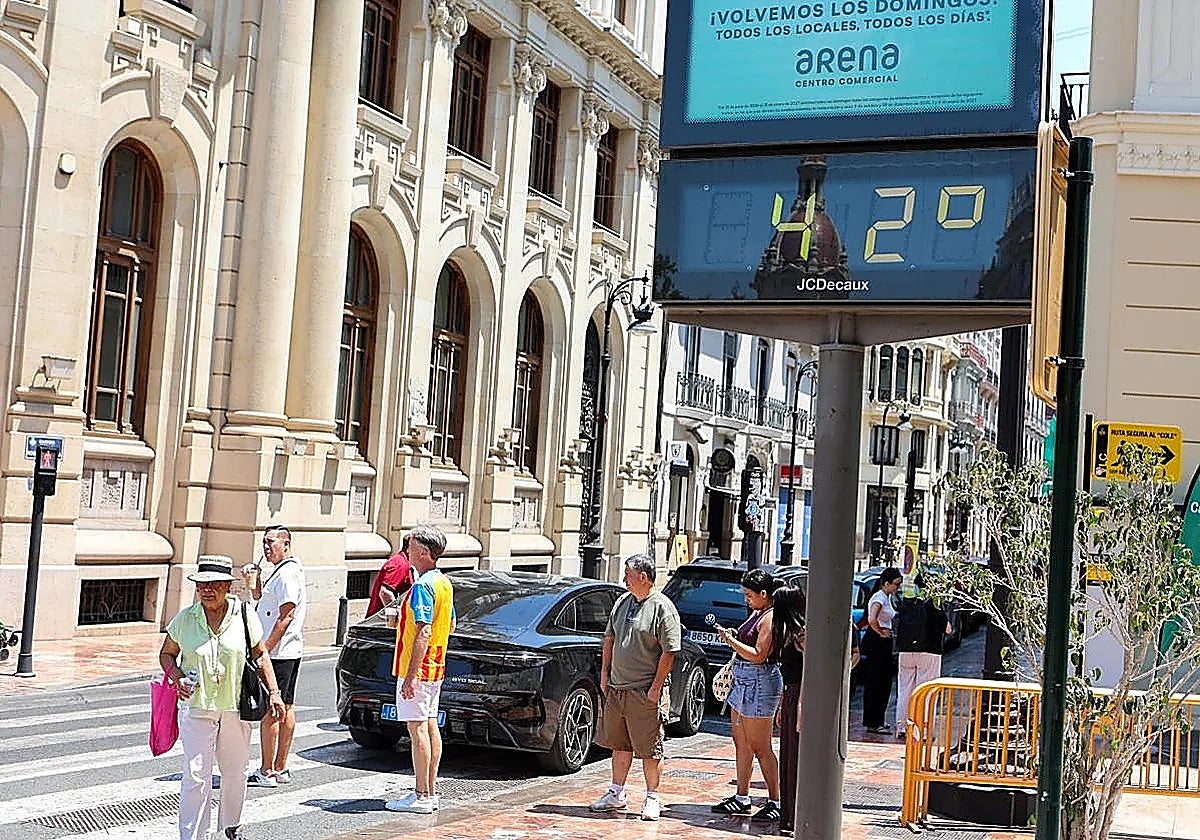
Much of Spain is experiencing a new heatwave, but the situation seems likely to worsen because 15 July marked the beginning of what is known as "the dog days of summer".
What is this? As Malaga meteorologist José Luis Escudero explains in his blog 'Tormentas y Rayos', "the dog days of summer are the period of the year with, statistically, the highest temperatures".
"Traditionally, they fall between 15 July and 15 August, although the dates can vary slightly depending on the year and the place," Escudero says. In Spain, the dog days usually occur in interior and southern areas.
Related story
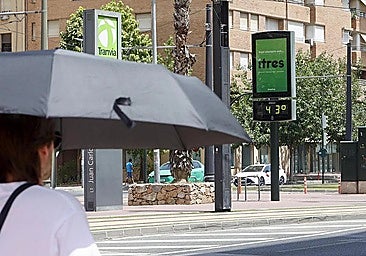
A heatwave should not be confused with the dog days of summer. The latter refers to a period of high temperatures, while heatwaves last only a few days.
European models show that this intense heatwave is not expected to leave Spain in the short or medium term. In fact, as Meteored points out, temperatures next week are forecast to be 3-6C above the usual average for July, suggesting a possible new heatwave.
Aemet (the Spanish state meteorological agency) says that there has been at least one heatwave in every part of Spain since 1 July.
According to Meteored, this is due to "a prevailing pattern since the beginning of summer, with a powerful anticyclonic ridge settled over the country, causing a very pronounced heating of the air mass due to subsidence (the large-scale sinking movement of air from the upper or middle layers of the atmosphere towards the surface, which compresses and heats the air, reducing its humidity and dissipating clouds)".
This has been further compounded by a continuous movement of troughs or cut-off lows to the west, which have sped up the transfer of warm air or directly propelled it, as is happening now with an incursion of very warm North African air laden with Saharan dust.
How long will this intense heat last?
Meteored forecasts that we will have to wait until at least mid-August. In the second half of July, the European model points to a possible more widespread destabilisation, which could be accompanied by storms.
"It's important to remember that the nights are longer and more intense cold air masses tend to start arriving, which together with a warm Mediterranean and maritime winds can lead to the first late summer downpours of the season," Escudero writes.
Today's weather forecast for Malaga province
![[]](http://static.vocstatic.com/voc26/latest/assets/images/favicon/surinenglish/apple-touch-icon-57x57.png)