
Employment
Spain's Social Security gains almost half a million foreign contributors in one year with regularisation process
Spain recorded more than 3.5 million foreign workers up to August, a labour force that grew by 12% more than the national average on a year-on-year basis and accounts for 15.9% of total employment
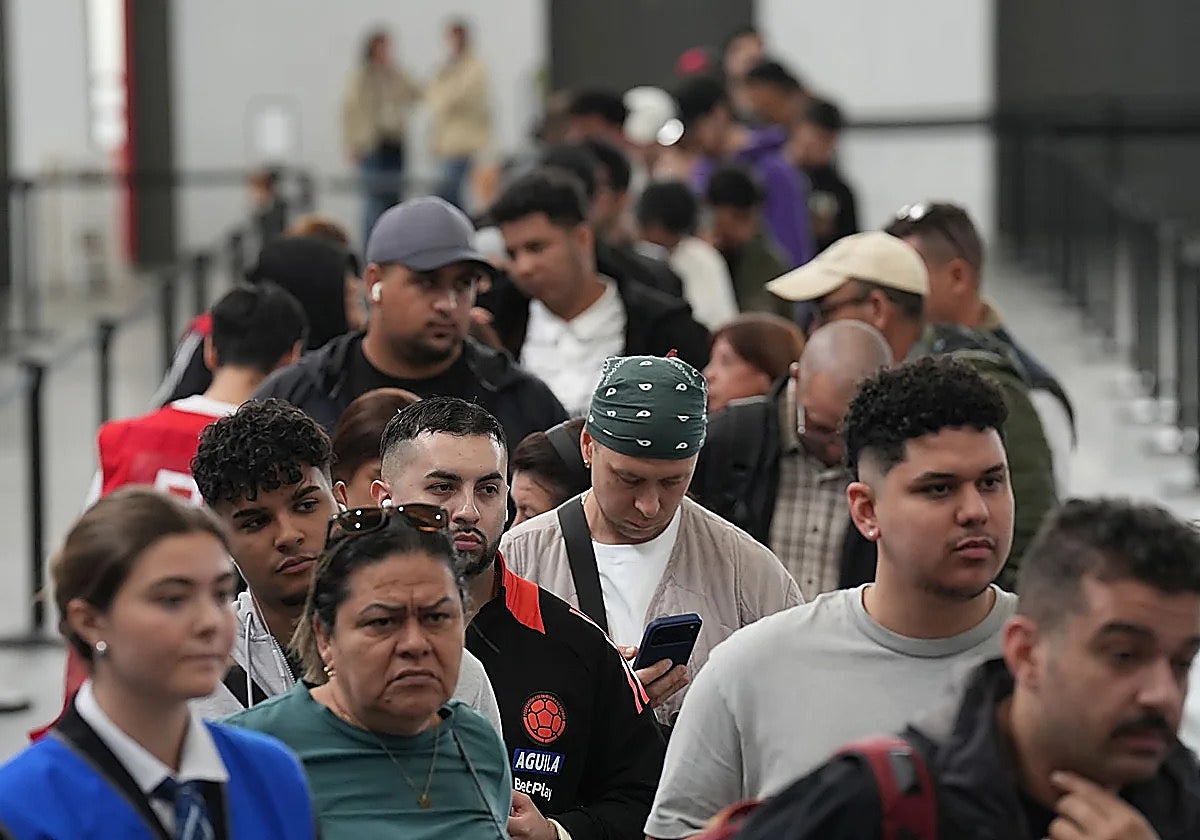

The extraordinary regularisation process is changing the Spanish labour market. By the end of August, the number of foreign nationals registered with Social Security ... as a result of this process stood at 337,917 out of a total of 482,490 foreign workers who had found employment over the course of a year.
In total, the Social Security system recorded more than 3,550,000 foreign contributors in terms of average enrolment in August, 39,535 more than the previous month.
When compared with the increase in the number of workers in the system as a whole, the number of foreign contributors rose by 15.72% year-on-year, compared with 3.1% overall.
Related story
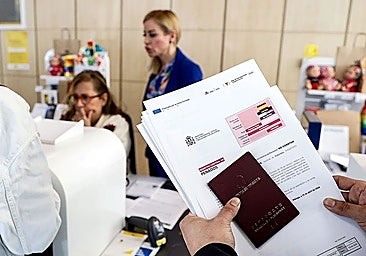
This growth is also taking place in a labour market where foreign enrolment is becoming increasingly diverse, both in terms of sectors of activity and types of employment and forms of participation, according to the Ministry of Inclusion, Social Security and Migration.
The seasonally adjusted figures, which take account of calendar and seasonal effects, also show that non-national employment reached a record high, exceeding 3.5 million for the first time, following an increase of 479,004 over the last 12 months.
Since June 2022, the number of workers from other countries has risen by more than 1.2 million and 50.9% of the jobs created since the labour reform came into force have been taken up by foreign workers.
Covered by the general scheme
The majority of regularised foreign nationals enrolled in the general scheme up to August: 79.8% of the 337,917 new contributors, while 16,912 (5%) were self-employed. By gender, 60.2% (203,418) were men and 39.8% (134,499) were women.
If we take a comprehensive look at the foreign labour market, the total number of registered workers accounts for 15.9% of the workforce, with the highest proportion in the hospitality sector, followed by agriculture, construction and administrative activities (20.2%) and transport (18.5%).
They also account for a significant proportion of the special schemes, where they represent 47.6% of those registered with the special household scheme and 39.2% of those in the special agricultural scheme.
Furthermore, the majority of foreign workers are on permanent contracts (86.8%), almost 30% higher than the average for the 2017-2021 period, prior to the labour reform. At the same time, the proportion of temporary workers in this group fell to 14.1%, while the proportion of Spanish workers on temporary contracts stood at 13.2%.
![[]](http://static.vocstatic.com/voc26/latest/assets/images/favicon/surinenglish/apple-touch-icon-57x57.png)