
General strike 2026
Spain's Interior Minister bans use of tear gas and launches investigation into police actions despite his own orders to them
The police recorded 1,144 incidents and made 47 arrests across the country
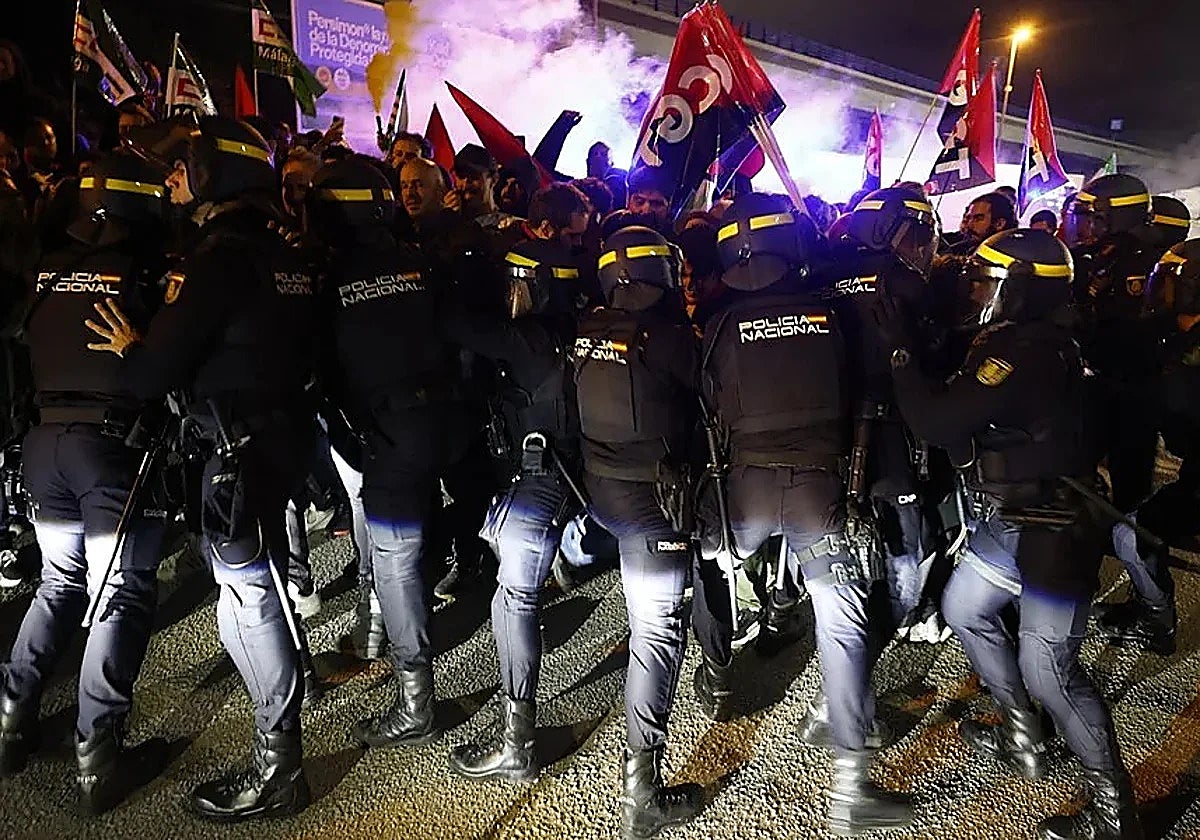

Interior Minister Fernando Grande-Marlaska has banned the use of tear gas by police when controlling demonstrations and launched an investigation into the highly criticised ... actions of the security forces during the general strike on Wednesday.
The minister himself, however, has received criticism for initially demanding that the riot police show firmness in the face of unrest during the protest. The Podemos party has called for his resignation.
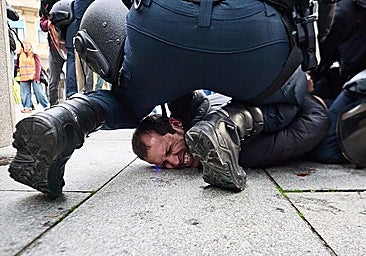
The strike day ended with unrest in Madrid and Barcelona, with waste bins set on fire, attacks on businesses and clashes with the security forces. Police forces are now under investigation for the way they responded to clashes with the public.
Related story
On 6 November, Secretary of State for Security Aina Calvo expressly instructed the police to "crack down on picket lines that resort to violence". Now, however, Marlaska has announced a specific review of the response by his police to these disturbances.
The order does not identify the incidents under investigation, nor does it suggest any potential disciplinary action.
In addition, Marlaska has banned the use of tear gas, following reports of the use of irritant spray against picket liines. The Interior Ministry, however, does not make it clear whether the new directive applies to all types of pepper spray police units use.
This ban is in addition to those already in place regarding rubber bullets, the use of which is already extremely limited to exceptional cases that are duly justified and authorised by the command.
The new ban leaves even less scope for certain crowd-dispersal measures, particularly following a night of violence on the streets.
In Madrid, the disturbances escalated following the end of the protest march. In the area around Gran Vía and Plaza de España, people threw stones and other objects, set waste bins on fire and damaged shop windows.
The police arrested four people in Madrid and put the number of injured persons at nine. They used tear gas to disperse groups involved in the disturbances.
Barcelona also witnessed serious clashes after the demonstrations had ended. Groups of hooded individuals smashed shop windows on Passeig de Gràcia, set fire to waste bins and threw fireworks at the Mossos d’Esquadra near Plaça de Catalunya.
The regional police responded by charging into the crowd and initially made 18 arrests, in addition to two other arrests earlier in the day.
Earlier that day, trade unions criticised the National Police's actions. At Mercamadrid, the CCOO reported that 13 people had sustained injuries during a raid on an information picket line and announced that it would take legal action over what it considers to be a disproportionate use of force. There were also complaints about the police's actions at the Madrid EMT bus depots.
The political response was immediate. The Podemos leader and candidate for Madrid, Irene Montero, called for Marlaska's resignation over "intolerable repression" and demanded that Prime Minister Pedro Sánchez remove him from the PSOE's electoral lists.
The pressure on Marlaska also extended to the police unions. Jupol, the largest union within the National Police, demanded his immediate resignation for investigating the police charges and banning the use of tear gas. It accuses Marlaska of "casting suspicion on the police" and warns that withdrawing this measure "could lead to more injuries". It also criticises him for his lack of public support for the police officer who died in the explosion in Oviedo.
The Ministry of the Interior accompanied its announcement on Thursday with provisional figures: the National Police and the Guardia Civil had reported "1,144 incidents related to the general strike" and "a total of 47 arrests" by 11pm on Wednesday.
Madrid accounted for 20 arrests, followed by Valencia with six, Malaga and Almeria with four each and Granada and Castellón with three. Zamora recorded two arrests, while Navarre, Valladolid, La Rioja, Alicante and A Coruña each recorded one arrest. The ministry expressly stated that these figures "do not include data from Catalonia or the Basque Country", where the regional police forces were in action.
