
Spain inflation surges to 4.3 per cent in August as fuel prices push rate to three-year high
The increase was driven mainly by more expensive petrol and diesel, while underlying inflation eased to 2.9 per cent and government support for motorists is set to increase in September
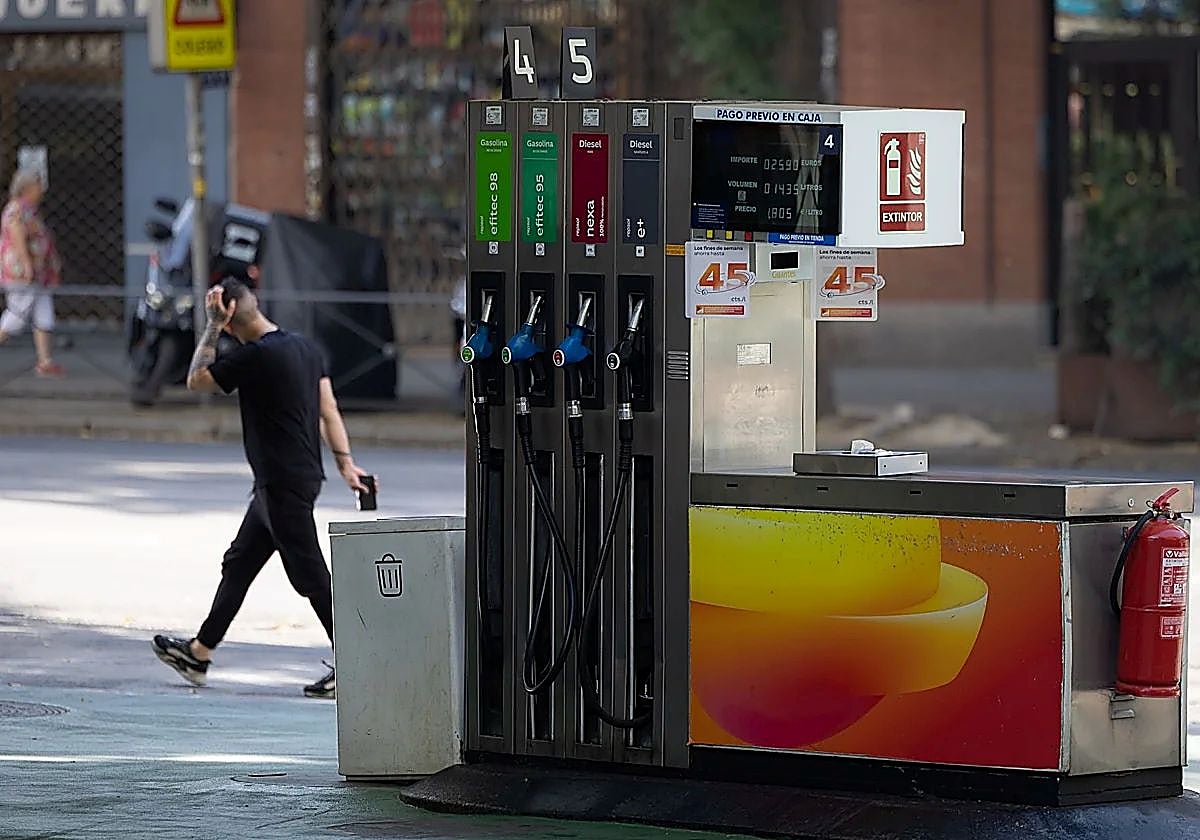

The shock to financial markets caused by the war in Iran is continuing to hit Spanish households, with inflation rising for the second consecutive month ... to 4.3 per cent in August.
The figure, based on the Consumer Price Index (CPI) published by Spain’s National Statistics Institute (INE), was seven tenths of a percentage point higher than in July and the highest recorded since February 2023. The increase was mainly driven by higher fuel prices.
Food and non-alcoholic drinks also contributed to the rise, though to a lesser extent, as prices in both categories fell less in August this year than in the same month of 2025.
Underlying inflation, which excludes energy and unprocessed food, was not affected by the wider increase in prices. It fell by one tenth of a percentage point to 2.9 per cent year-on-year.
On a monthly basis, inflation rose by 0.7 per cent in August, four tenths of a percentage point more than in July. It was the biggest monthly increase recorded in August since 1992. The monthly CPI has now risen for seven consecutive months, while the underlying rate increased by two tenths compared with July.
Government measures
The government is maintaining its timetable for measures introduced to cushion the impact of the conflict in the Middle East. From 1 September, the tax reduction on diesel will rise to 20 cents per litre.
The measure was announced two weeks ago after confirmed July CPI data showed diesel prices had risen by 15.7 per cent over the previous year, exceeding the 15 per cent threshold set out in the government’s package of anti-crisis measures. This automatically activated a safeguard clause requiring the tax relief to increase from the five cents per litre initially planned.
The change means motorists will receive an additional 15 cents per litre in diesel tax relief as they return from their summer holidays, despite fuel prices having risen sharply during the final fortnight of August.
Petrol has been treated differently. Its price rose by 7.3 per cent year-on-year in July, remaining below the 15 per cent threshold, so its existing schedule for gradually withdrawing support will continue. The reduction will fall to five cents per litre from September, while the rest of the package will remain unchanged.
The Ministry of Economy said the government was "monitoring the impact of the conflict in Iran on the Spanish economy on a minute-by-minute basis", working with social partners and the most affected sectors.
Exceeds expectations
The August inflation figure was higher than analysts had expected. BBVA Research, for example, had forecast that prices would rise by four per cent.
The figure will not be confirmed until mid-September, when the INE publishes its final August data and provides further details on the components behind the increase.
However, the rise has already prompted the UGT trade union to call for an immediate review of Spain’s statutory minimum wage, describing the inflation figure as "very worrying".
The government and unions agreed to increase the minimum wage by 3.1 per cent this year, raising annual pay by more than 500 euros for around 2.5 million workers. The minimum currently stands at 1,221 euros a month paid over 14 instalments.
However, Article 27 of Spain’s Workers’ Statute allows the minimum wage to be reviewed every six months when price movements deviate from forecasts. UGT, led by Pepe Álvarez, is calling for that provision to be activated.
The Labour Ministry had considered a review following the inflationary pressure seen in the weeks after the conflict in the Middle East began. However, it ruled out the possibility earlier this month, saying negotiations on the 2027 minimum wage would begin after the summer in line with the government’s usual timetable.
The latest inflation figures could now force the ministry, headed by Yolanda Díaz, to reconsider its position.
The harmonised Consumer Price Index (HICP), which is used to compare price movements between European Union countries, rose by six tenths of a percentage point year-on-year in August to 4.5 per cent. It increased by 0.6 per cent on a monthly basis, while underlying HICP inflation is estimated at 3.2 per cent.
![[]](http://static.vocstatic.com/voc26/latest/assets/images/favicon/surinenglish/apple-touch-icon-57x57.png)