
Economy
Inflation in Spain 1% above July's eurozone average
Only Romania, Lithuania, Bulgaria and Cyprus recorded a higher rate in July
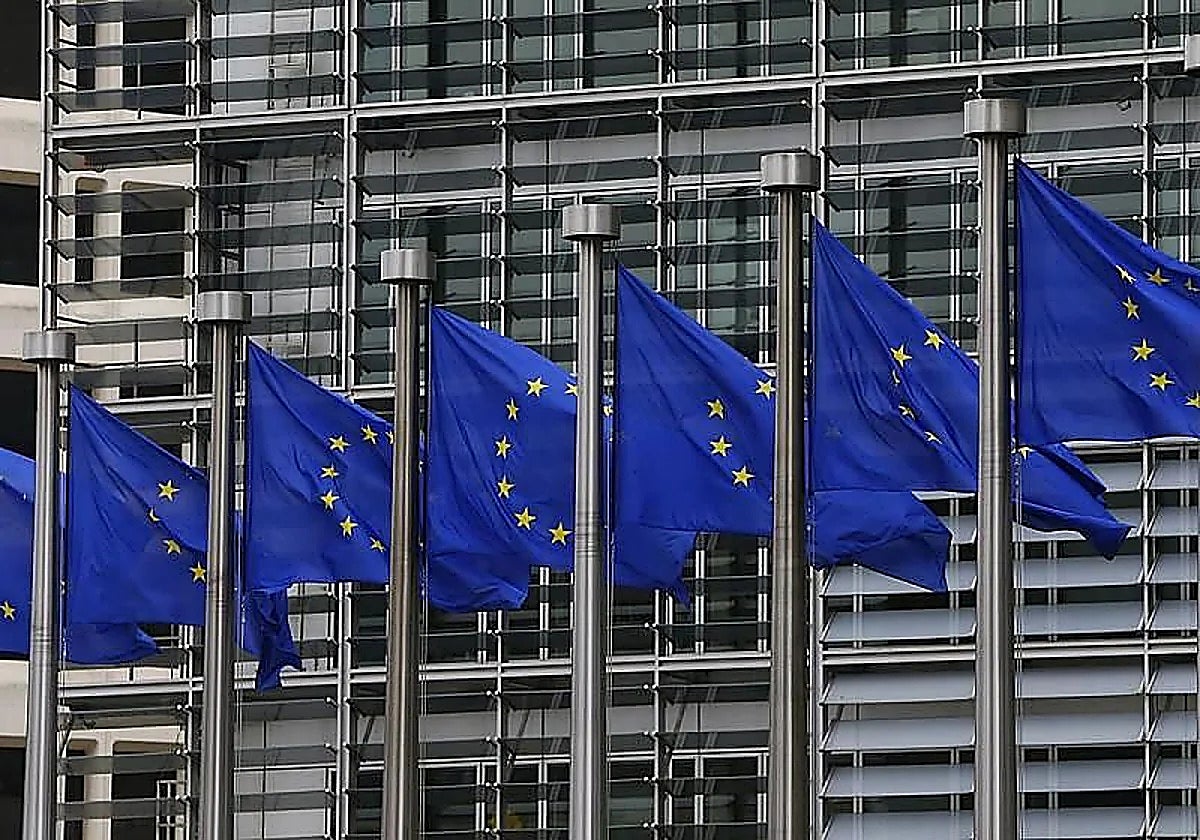

Inflation in Spain is rising at a much faster rate than the European average. In July, the Harmonised Index of Consumer Prices (HICP), which uses ... an identical, standardised method across all countries in the EU and the eurozone, stood at 3.9% in Spain, while in the eurozone it stood at 2.9% and at 3% in the EU.
The CPI rose by 0.3% in Spain, while in the EU and the eurozone it rose by just 0.1%. Despite this, the figures are far from the inflation target recommended by the European Central Bank (ECB), which stands at 2% and is considered the optimal level for maintaining price stability and preventing an uncontrolled rise in the cost of living.
In Europe, the sharp monthly rise in energy prices resulting from the escalating tensions in the Middle East was offset by a significant monthly fall in the prices of non-energy industrial goods, as Oxfort Economics economist Iain Simmons notes.
In the case of Spain, the partial withdrawal of fuel subsidies may have contributed to the rise in the rate in July. In fact, the unchecked rise in the price of diesel by more than 15% forced the government to activate the safeguard clause provided for in the anti-crisis measures plan, which will restore the subsidy for this particular fuel to 20 céntimos per litre in September, after it had fallen to ten céntimos in August.
Spain has been experiencing structural inflation higher than the European average due to its faster pace of economic growth, a more dynamic services sector and tourism, strong domestic demand and a greater impact from energy costs than that other European partners have been experiencing.
Only Romania (8.2%), Lithuania (5.4%), Bulgaria (4.4%) and Cyprus (4.4%) recorded higher inflation rates than Spain in July.
At the other end, Sweden has the lowest rate in the EU, at 0.3%. The CPI in the Czech Republic, Denmark and Hungary also stood below 2% in July.
An upcoming interest rate rise
To curb rising prices, the ECB is stepping in, having already decided in June to raise interest rates by 25 basis points. The market is pricing in a second rise in September.
According to Simmons, the positive eurozone GDP figure suggests that "the eurozone economy may be better able to absorb a tighter monetary policy more easily than previously thought".
"If the ECB takes a cautious approach to avoid damaging the economies of countries such as France or Germany, inflation in Spain could continue to rise. However, if it speeds up the pace of interest rate rises, there is also a risk of causing too much damage to economies that are already showing signs of weakness," XTB analyst Javier Cabrera says.
Oxford Economics forecasts that pressure on energy prices will persist, mainly due to the sharp rise in gas prices amid concerns that supply disruptions could hamper efforts to replenish storage levels ahead of winter.
Natural gas futures on the Dutch TTF (the European benchmark index) are trading this Wednesday at 20 euros above their July levels and have risen above 63 euros.
With the Strait of Hormuz closed once again, the British economic consultancy maintains that the risk of more significant second-round effects will increase the longer the conflict persist.
![[]](http://static.vocstatic.com/voc26/latest/assets/images/favicon/surinenglish/apple-touch-icon-57x57.png)