
Energy
Spain's electricity bills to reach 100 euros in September as energy costs put pressure on households
The regulated tariff has risen by 75% since April, while petrol and diesel are approaching two euros per litre
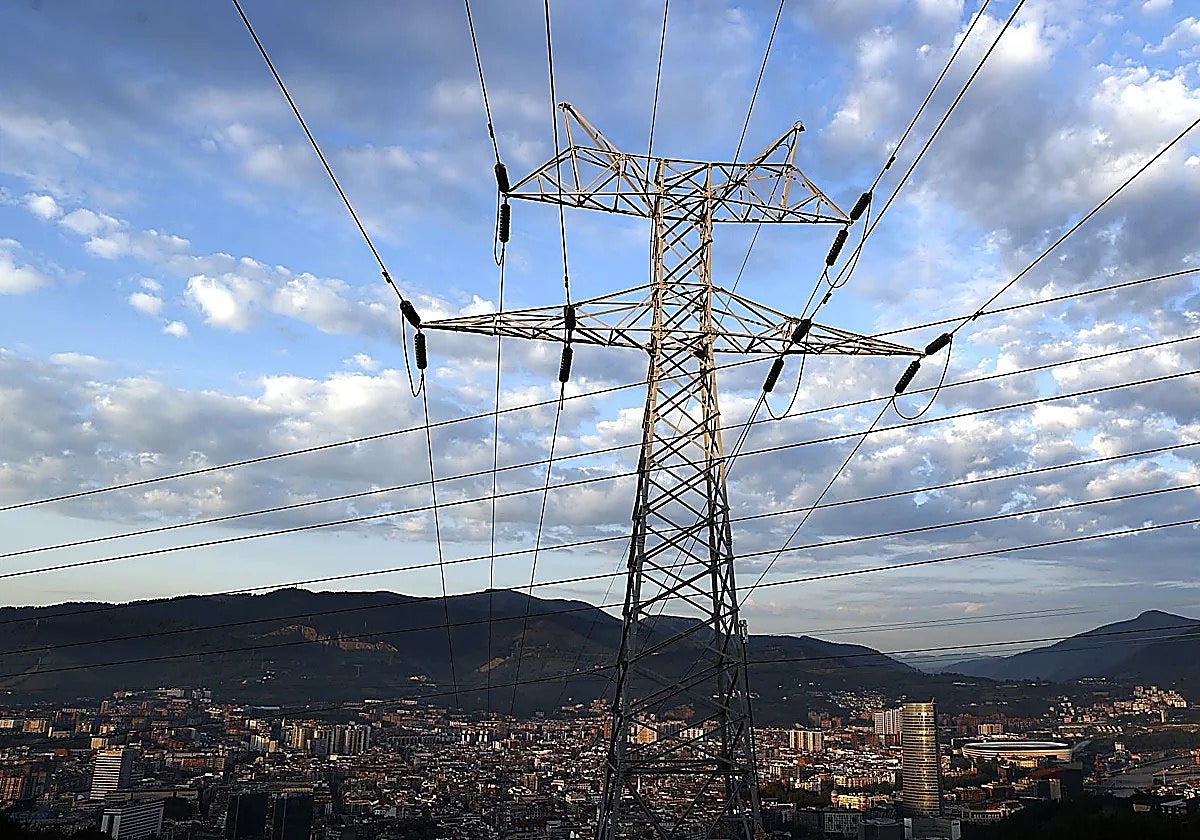

Rising fuel and electricity prices are destabilising Spanish household budgets as autumn approaches. These two factors pushed August's inflation rate up to 4.3%, ... the highest level in three years.
The price of electricity on the Spanish wholesale market stood at 104.63 euros per megawatt hour on 16 September, slightly below the monthly average of 145 euros and 137% higher than a year ago, when the monthly average was 61 euros, according to data from the Omie (Iberian energy market operator).
As a result, the bill for an average consumer on the PVPC tariff is set to reach 106.57 euros in September, according to Facua's calculations based on prices for the first half of the month. If confirmed at the end of the month, the average household will pay 30.5% more this month than a year ago, reaching the highest level for a September since the 2022 energy crisis the war in Ukraine triggered.
Related story

The bill has been rising steadily since spring: it went from 60.99 euros in April to 75.63 in May, 79.08 in June, 93.65 in July and 96.65 in August. In total, the bill has risen by 45.58 euros over five months.
This rise once again turns the spotlight on the wholesale market, although fewer and fewer domestic consumers have a tariff directly linked to the daily price of electricity. The residential electricity market has been shifting towards the liberalised market for years, where suppliers offer a range of contract options, with fixed-price plans, time-of-use tariffs and index-linked tariffs all available.
However, these consumers still account for 27.4% of all domestic consumers, according to CNMC data as at the end of 2025, and tend to be the most vulnerable, as one of the requirements for applying for the social electricity subsidy is to be on a regulated PVPC tariff.
Price increases during off-peak hours
The rise in electricity bills is not confined solely to peak demand periods. According to Facua's analysis, in the first half of September, the average price per kWh consumed stood at 30.36 cents during peak hours, 20.96 during standard hours and 24.22 during off-peak hours, including indirect taxes.
Compared with the same period in 2025, the increases are 24.6%, 34.5% and 53.6%, respectively. The largest increase is precisely during off-peak hours, although prices start from a lower base.
Facua maintains that certain generation technologies are achieving excessive margins under the current price-setting system and calls for nuclear and hydroelectric power stations to cease participating in the daily auction. Its proposal to reform the electricity market involves establishing a price for these facilities, set by the government and subject to periodic review.
The rise in electricity prices also coincides with a month in which other energy costs have risen. The price of a gas cylinder has risen by 4.96% since Tuesday and petrol and diesel are now less than 15 cents shy of two euros per litre on a national average, with no plans as yet for the government to extend the tax rebates that have helped to keep fuel prices in check.
The price of gas for next-day delivery has risen from levels close to 52 euros per MWh to over 85 euros at present, an increase of around 63%. The rise has also spread to the futures markets: gas for the fourth quarter of 2026 has risen by nearly 61%, while the price for the winter season as a whole has risen by more than 63%.
"Far from improving, the geopolitical situation is leading to high energy prices, and the same is forecast over the coming months. Both oil and gas are seeing significant price rises, which, unsurprisingly, are affecting the price of electricity," energy expert Borja Osta has warned.
![[]](http://static.vocstatic.com/voc26/latest/assets/images/favicon/surinenglish/apple-touch-icon-57x57.png)