
Economy
Spanish supermarkets maintain steady prices despite 110-million energy cost
The retail sector is absorbing part of the rise in energy and transport costs, while food inflation remains two points below the CPI
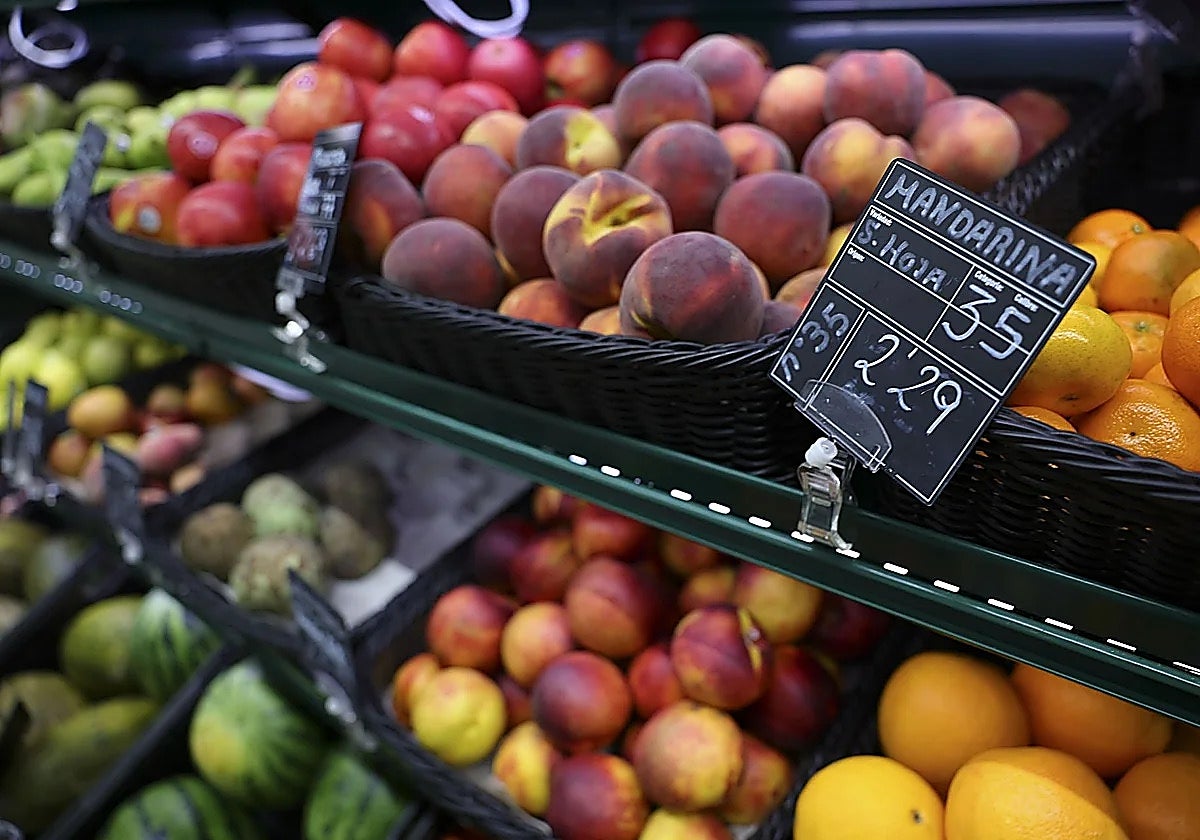

Spanish supermarkets are absorbing a large part of the rise in their costs to prevent these increases from being passed on to consumers.
Since the ... start of the conflict in the Middle East, the sector has incurred additional energy costs of approximately 110 million euros, according to estimates by Asedas (the Spanish association of retailers), against a backdrop of rising prices of fuel, electricity, freight and certain raw material.
Cost pressures are emerging at a time when inflation is on the rise. The overall CPI reached 4.3 per cent year-on-year in August, driven mainly by fuel prices, while food prices rose by 2.3 per cent.
Related story
-
Cristina Vallejo
According to Asedas, the behaviour of food prices reflects the efforts of retailers to limit the impact of rising costs on retail prices. In particular, the high level of competition in the Spanish market is acting as a brake on the passing on of cost pressures to the shopping basket.
The latest CPI figures have once again brought this issue to the fore and supermarkets face the challenge in the coming months of keeping prices in check without allowing rising costs to eat into their profit margins.
This effort, Asedas says, has a direct impact on companies' financial results, as in a sector with tight margins, absorbing part of the cost increase means reducing profitability and limiting companies' ability to pass on the rise in their expenses to final prices.
The background to 2022
The situation is reminiscent of what happened during the period of high inflation in 2022 and 2023 following the start of the war in Ukraine, when companies had to decide how much of the rise in their costs they could absorb without undermining their profits and how much they should pass on to the consumer.
One of the main sources of pressure lies in transport. Its year-on-year rate of change reached 9.5 per cent in August, more than three percentage points higher than that recorded a year earlier and the highest level since August 2022. The rise in the cost of moving goods is affecting the entire supply chain, from sourcing to the delivery of products to shops.
Added to this is the rising cost of electricity and certain raw materials. There is also particular concern about the impact on products that rely heavily on plastic, both because of the cost of the material and its use in packaging.
Rising food prices, in fact, also come at a cost to businesses, as in such a competitive market, raising prices can lead to a loss of market share and customers.
![[]](http://static.vocstatic.com/voc26/latest/assets/images/favicon/surinenglish/apple-touch-icon-57x57.png)