
Environment
Will there be jellyfish and sea scum on Malaga province's beaches this summer?
The chair of coastal sciences has activated an AI-powered platform that includes one-week forecasts, information on seaweed arrivals and sports activities
Chus Heredia
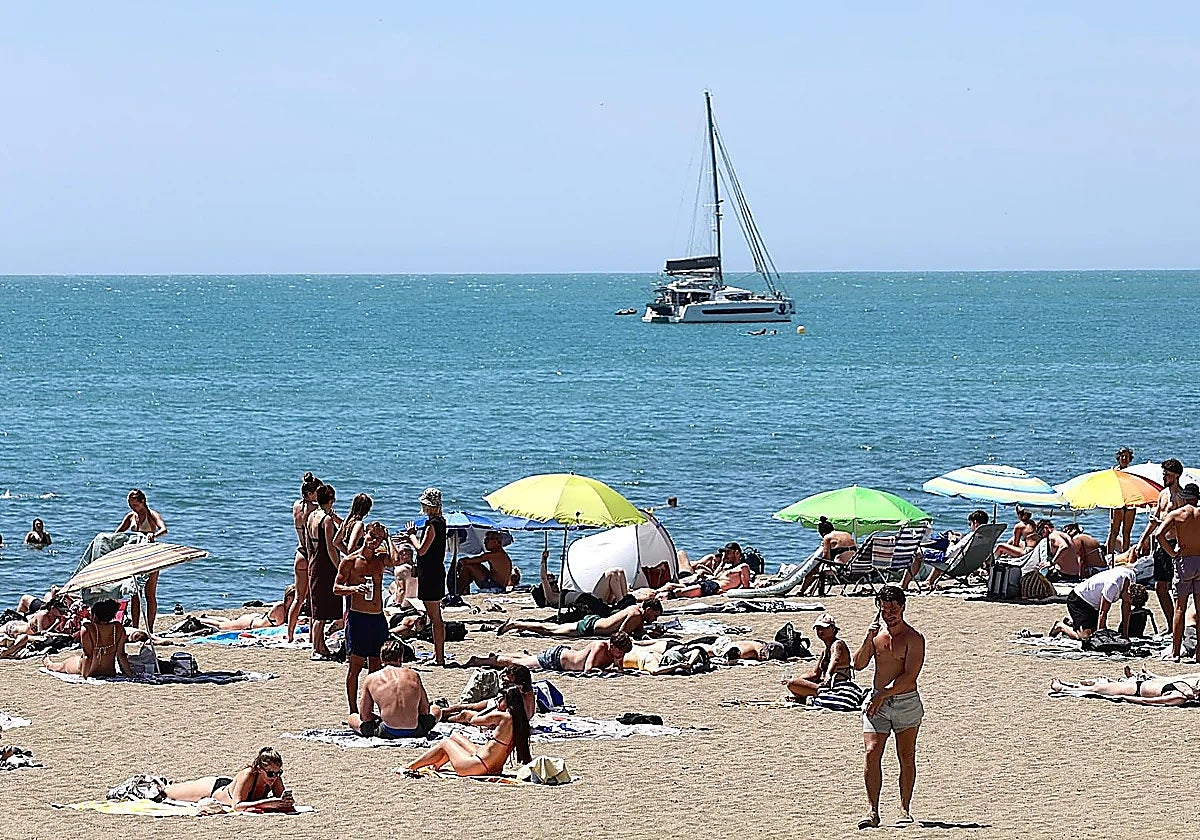
Artificial intelligence is helping holiday-makers, nature lovers and beach-goers make the most of Andalucía's coastline this summer, particularly along the Costa del Sol.
Researchers unveiled Oceanaria-Andalucía a few months ago after two years of development. The EDANYA research group and the Costa del Sol coastal sciences chair led the project, which cost 250,000 euros to develop.
The system combines local information with satellite data on sea temperatures, wind and wave conditions. As a result, it can forecast sea conditions along Andalucía's almost 1,000 kilometres of coastline and predict the arrival of jellyfish, algal blooms and so-called 'natas' (floating slicks made up largely of clay and microalgae) up to five days in advance. Councils, emergency services and beach users can use the forecasts to improve safety and planning.
Related story
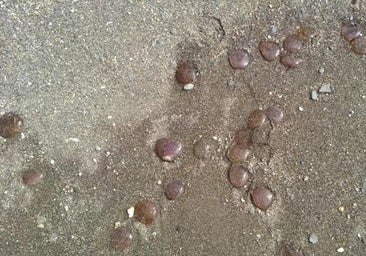
One of the biggest concerns every summer is jellyfish. Oceanaria includes animations showing how offshore swarms are likely to move, while colour-coded maps indicate the probability of them reaching the coast. Over the next five days, the platform places the risk at less than 20 per cent.
Francisco Franco, director of the Costa del Sol coastal sciences chair, said local sea currents make jellyfish arrivals highly unlikely.
He pointed to the western Alboran gyre, a large circular current that forms when Atlantic water enters the Mediterranean through the Strait of Gibraltar. The rotating current acts as a natural barrier and, during calm weather, traps material carried by the tides before it reaches Malaga's coastline. As a result, bathers often avoid the large jellyfish swarms that affect other parts of the Mediterranean.
According to the platform, several species commonly found on local beaches pose little danger. "These include Cotylorhiza tuberculata, Aurelia aurita, Aequorea forskalea and Velella velella. The latter is not actually a jellyfish but a small blue hydrozoan," the platform explains.
Other species, however, can cause painful stings and require greater caution. Along the Costa del Sol, beach-goers may encounter Pelagia noctiluca, Rhizostoma pulmo, Rhizostoma luteum, Olindias phosphorica, Carybdea marsupialis and Chrysaora hysoscella.
"The Portuguese man o' war deserves special mention because of the threat it poses. Despite its jellyfish-like appearance, it is actually a colony of hydrozoan organisms. Tentacles hanging beneath the surface can stretch up to 50 metres and deliver a powerful toxin," the website explains. It offers detailed advice on how to respond to stings and other jellyfish-related incidents.
Oceanaria also tracks the spread of the invasive Asian seaweed Rugulopteryx okamurae. After causing major problems for local councils at the start of the summer, forecasts suggest the seaweed may become less prevalent in the coming weeks.
Scientists first identified the species in Marbella in 2019. Because it contains high levels of sulphur and nitrogen, it releases an unpleasant smell as it decomposes on beaches. In Estepona alone, cleaning teams have removed as much as 950 tonnes within a matter of days.
Sea scum
The outlook for natas is less encouraging. Forecasts indicate a high probability of these floating slicks appearing along parts of Malaga province's coastline, with risk levels reaching around 80 per cent in some areas.
Despite common misconceptions, natas are not simply dirt or pollution. They consist of around 90 per cent clay particles and five to ten per cent microalgae. As they spread across the water's surface, they can also trap pollen and other organic matter.
Beyond environmental forecasts, Oceanaria provides daily recommendations for water sports at more than 800 beaches. Users can also find information on nearby hotels, restaurants and sports equipment hire companies. The platform allows searches by province or individual beach and ranks locations according to different activities.
For open-water swimming, current conditions favour the Axarquía coastline, particularly the beaches of Lagos, Morche, Cenicero-Las Lindes and Mezquitilla. Divers will find similarly favourable conditions at many of the same locations.
Rowers can expect the best conditions at Torre del Mar, El Cristo in Estepona and Bil-Bil, Benalnatura and Santa Ana in Benalmádena. Sailing enthusiasts should head to Manilva, where La Sardina, Las Arenas, El Negro, Los Toros, La Duquesa, Punta Chullera and La Colonia currently top the rankings.
For surfing, Algarrobo and Torrox offer the best prospects, while Nerja stands out for paddleboarding and recreational fishing. Kitesurfers and windsurfers, however, may struggle to find suitable conditions anywhere along Malaga's coastline for the time being.
Access the broad Malaga and Costa del Sol news index
![[]](http://static.vocstatic.com/voc26/latest/assets/images/favicon/surinenglish/apple-touch-icon-57x57.png)