
Environment
From plastics to tyres: this is how the waters off the Costa del Sol became polluted in August
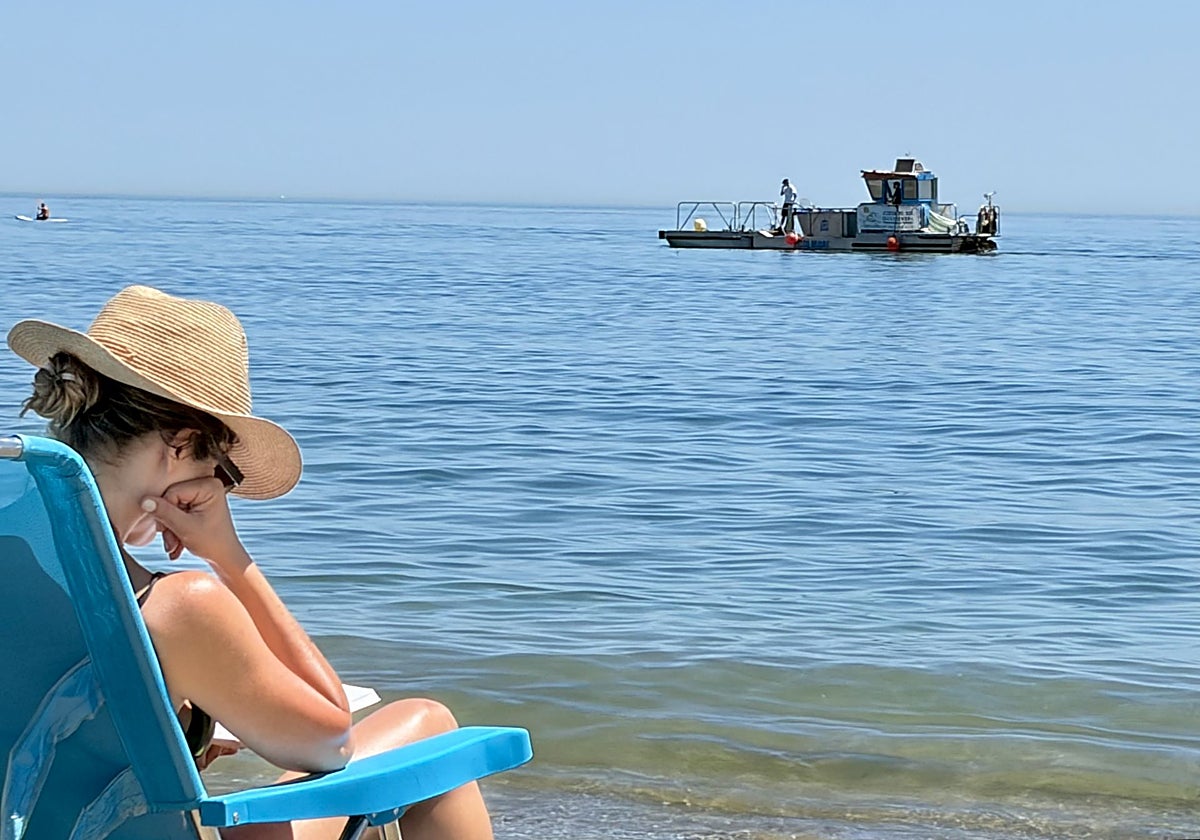
Cleanup boats collect nearly 46 cubic metres of rubbish along western beaches, with plastic making up almost 70 per cent of all retrieved debris

Marbella
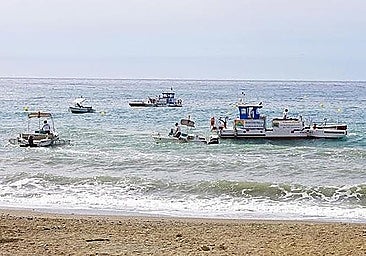
Cleanup boats collected 45.87 cubic metres of floating waste along the Western Costa del Sol in August, surpassing the 44.59 cubic metres retrieved ... during the same period in 2025 by almost 1.3 cubic metres.
Data released by the Mancomunidad de Municipios de la Costa del Sol Occidental revealed that plastic remained the primary pollutant damaging the coastline. Plastic waste increased both in absolute terms and as a proportion of total volume, rising from 68.15 per cent in August 2025 to 69.26 per cent last month. Beyond plastic bottles, retrieval crews removed wood, tyres, beach fridges, water bottles and discarded furniture from coastal waters.
Related story
Waste collection volumes increased across all western municipalities except Marbella and Estepona. In Torremolinos, the collected volume rose from 4.53 to 4.59 cubic metres, driven by an increase in plastic alongside water bottles, pieces of wood and furniture. Benalmádena saw figures rise from 6.79 to 6.88 cubic metres, recording a 4.22 per cent increase in plastic waste alongside beach fridges, tyres, pallets, water surface scum and plant debris.
Fuengirola recorded an increase in both total waste volume - rising from 3.75 to 4.33 cubic metres - and plastic content, which climbed by 18.96 per cent alongside reeds, timber, seaweed and items left behind by bathers. In Mijas, total waste rose from 5.63 to 6.50 cubic metres, with plastic volume increasing by 17.24 per cent.
Marbella and Estepona provided a positive note with overall volume reductions, though plastic amounts rose in absolute terms in both towns. Marbella recorded a drop in total waste from 10.23 to 9.58 cubic metres, despite collecting buoys, pallets, water bottles and cork boxes commonly associated with fishing and distribution operations. Total waste in Estepona fell from 12.18 to 11.90 cubic metres, though the municipal association warned of the constant presence of drifting buoys, timber and plastic bottles posing a clear risk to maritime navigation and the environment.
At the western end of the coastline, Casares saw total waste rise from 0.30 cubic metres in 2025 to 0.42 cubic metres in 2026, marking a 38.8 per cent surge in plastic alongside wood, plant matter, toys and abandoned water sports equipment. In Manilva, total waste rose sharply from 1.18 to 1.67 cubic metres, with plastic volume jumping 40.81 per cent alongside significant amounts of plant matter, timber and abandoned leisure gear.
![[]](http://static.vocstatic.com/voc26/latest/assets/images/favicon/surinenglish/apple-touch-icon-57x57.png)