
Environment
Bathing banned on two Marbella beaches due to faecal bacteria
Water tests for E. coli at the Los Monteros and El Cable-Río Real beaches have come back positive

Málaga
Two of Marbella's most popular beaches have been closed for bathing after water quality tests showed faecal bacteria above or at legal levels.
The ... two beaches in question are Los Monteros and El Cable-Río Real. The town hall has advised visitors not to go in the water due to health risks.
The beaches, however, remain open and visitors can enjoy the sun and the bars. The express recommendation is not to go swimming.
Related story

The decision follows the latest E. coli tests of the regional government. Sources have said that the concentration is practically at the legal limit, which is 500 colony-forming units (CFU).
In other samples this week, the level was between 520 and 540 units, which is slightly above the maximum limited. It is, however, sufficient to advise visitors not to swim in these areas.
The cause of this bacterial overgrowth is currently under investigation. As the concentration is relatively low, it is likely to be due to the large numbers of bathers at locations with limited water renewal due to weather conditions and the shape of the beaches.
According to sources at Marbella town hall, the latest tests have shown normal E. coli levels. Further tests will confirm whether the water is safe for swimming.
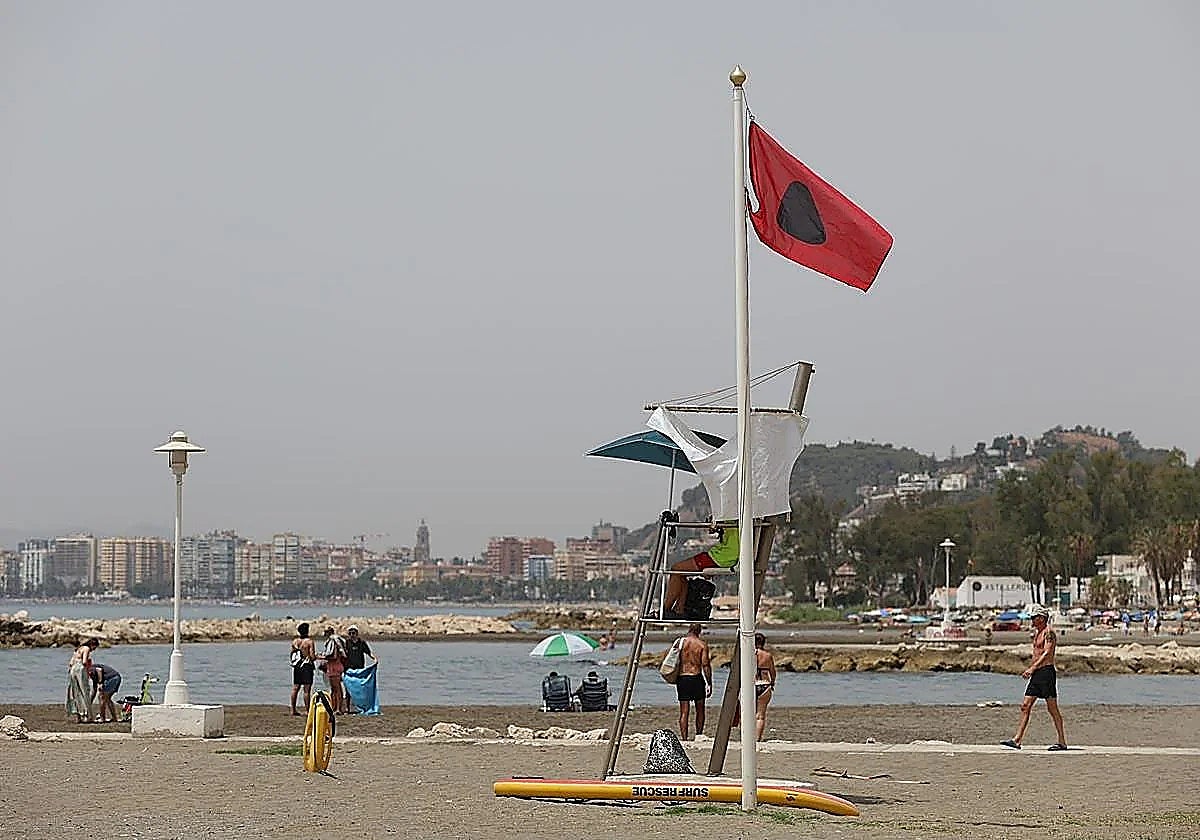
Unlike the closed beaches in Malaga, the two in Marbella are not waving red flags. There are, however, warning signs advising people not to go in the water.
Beaches closed in Malaga
Two Malaga beaches closed for bathing this week due to levels of faecal bacteria were reopened for swimming this Friday afternoon.
On Thursday, the city council issued a general recommendation advising against swimming in the coves of Pedregalejo and El Palo, after regular tests detected high levels of faecal bacteria.
The cause of the higher level of E. coli is currently under investigation. Municipal technicians have already ruled out a discharge of sewage from the Emasa water network, as well as the construction work at the Pedregalejo seafront promenade.
As per what they explained, when a spill occurs, the colony-forming units (CFU: the unit of measurement used in such cases) can rise to 3,000, 5,000 and even 10,000, as was the case with the spill in Guadalmar in the spring.
By contrast, the regional government's tests have shown 560 units on these beaches, while the legal limit is 500. In other words, while it is true that the figure is above the maximum, it is very close to the threshold.
The city council has cited recent analyses by Emasa and Malaga University (UMA) which showed good water quality.
Reopening in Malaga
The most likely cause is that the incident is due to a combination of two factors. On the one hand, a "hydrodynamic system that does not facilitate the renewal of seawater", as is the case in the coves of El Palo.
On the other hand, there was a massive influ of bathers last weekend, when the samples were taken.
The El Palo fair ended on Saturday, 18 July, but the celebrations continued into Sunday, with the setting up of a large screen to watch the World Cup final, which drew a huge crowd of beachgoers in front of the old Casa Pedro: precisely where one of the samples was taken.
In conclusion, this large gathering of people, in addition to the lack of water renewal capacity, would explain the concentration of E. coli being slightly above the legal limit.
The city council issued the closure order following a notice from the regional ministry of health, recommending the implementation of preventive measures.
The regional government has already carried out further water tests, which have yielded favourable results. Emasa has also conducted its own tests, with equally positive results.
For this reason, Malaga can expect the lifting of the restrictions at these locations later today, meaning they will be open to bathers over the weekend.
During the summer months, regular water quality tests ensure that microbiological levels remain within the limits permitted by law. If this is not the case, measures are put in place to prevent people from swimming and protect the public's health.
Authorities have reassured the local population that the incident does not resemble what occurred in Guadalmar this past spring. After reopening for just one week, following the serious breakdown caused by last winter's storms, a further failure by Emasa forced the beach to close for another week.
![[]](http://static.vocstatic.com/voc26/latest/assets/images/favicon/surinenglish/apple-touch-icon-57x57.png)