
Animal welfare
Malaga vets urge end to fireworks during celebrations like San Juan
They warn that sudden and loud noises trigger panic, anxiety and fear in animals
Ignacio Lillo
Malaga's association of veterinarians has urged the public to protect animals from excessive noises by avoiding the use of fireworks during celebrations like San Juan.
Loud fireworks remain one of the leading causes of fear and anxiety in dogs and cats during festive periods.
Under the campaign slogan 'Noche de San Juan sin sobresaltos' ('A San Juan night without fear'), vets stress that fireworks are far more than a nuisance for many animals. They pose a genuine animal welfare issue.
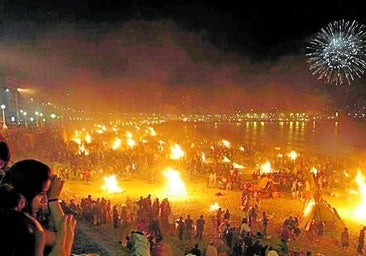
"Sudden, loud and unpredictable noises can trigger fear, anxiety and even panic," the association states.
Animals hear far better than humans. While people can detect sounds of up to 20,000 hertz (Hz), dogs hear frequencies as high as 65,000 Hz and cats up to 79,000 Hz. Fireworks can also reach between 140 and 150 decibels, well above the estimated pain threshold for dogs, which sits at around 95 decibels.
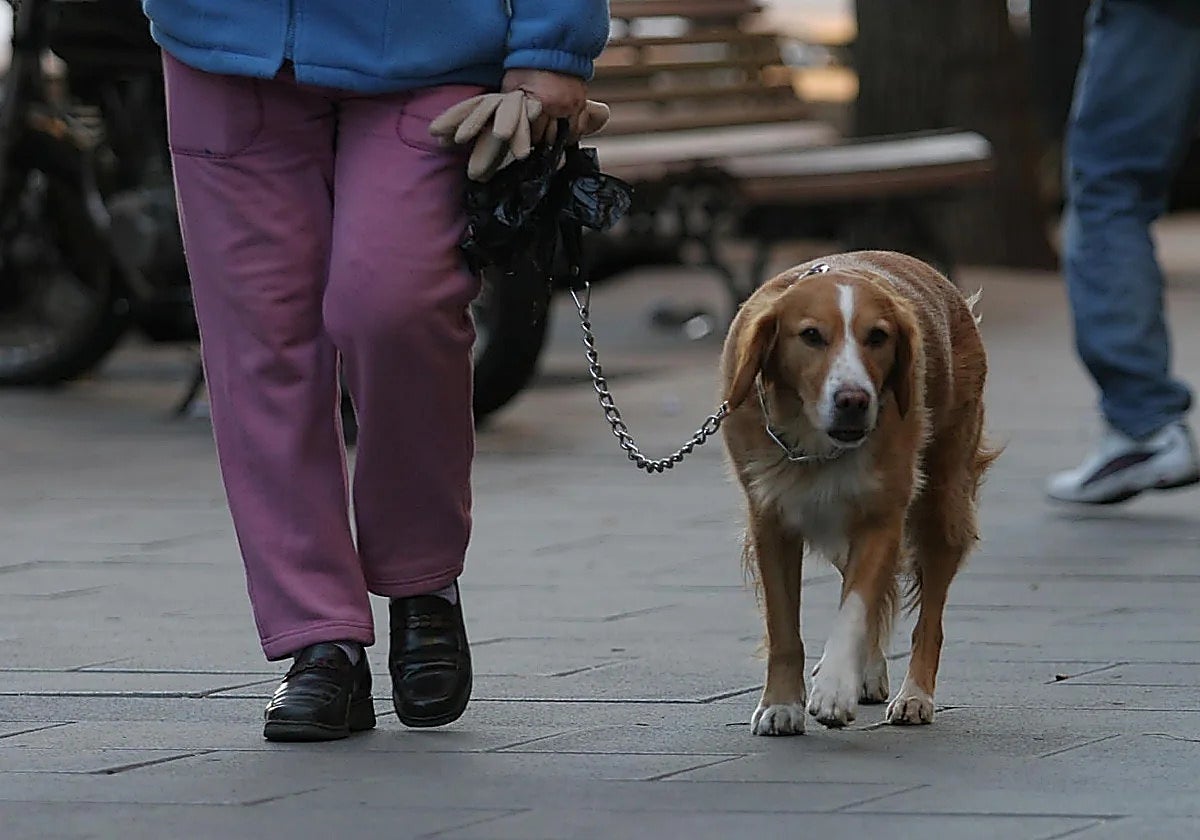
Common signs of distress include trembling, panting, hyperventilating, a racing heartbeat, excessive drooling, hiding, attempts to escape, restlessness and constantly seeking shelter. In more severe cases, fear can escalate into panic, leading to animals running away, accidents, destructive behaviour or anxiety that lasts for several days.
Municipal protection
"It's time for local councils to take the welfare of registered pets into account during public celebrations and put an end to noisy fireworks and firecrackers," president of the association Juan Antonio de Luque says.
The association says that the problem extends beyond dogs and cats. Fireworks also affect other animals and vulnerable people. However, pet owners can make a significant difference by preparing in advance and responding appropriately.
The association has released guidance on reducing stress during periods of extreme noise. It advises owners to keep pets indoors during the noisiest hours, close windows and shutters to reduce sound, and prepare a quiet, safe space where animals can retreat. Playing soft music or leaving the television on can also help mask sudden noises.
Owners should comfort pets if they seek reassurance and never punish or force them out of their hiding place. If an animal prefers to stay hidden, it is best to leave it alone. Vets also remind owners to check that their pet's microchip details and identification tag remain up to date in case the animal escapes.
Finally, vets strongly advise against giving any medication without professional guidance. Preventative measures may include environmental management, desensitisation training, behavioural therapy and, where appropriate, veterinary treatment. Any medication should only ever be prescribed and supervised by a veterinary professional.
"Closing the windows, preparing a safe refuge, offering reassurance and speaking to your vet can make all the difference. Looking after pets also means thinking about their wellbeing during celebrations," the association says.
Ultimately, fear of fireworks is an animal welfare issue that requires public awareness, prevention and shared responsibility. People can still enjoy San Juan celebrations while showing consideration for those loud noises most affect.
Spain's specialised guardians of the natural environment
![[]](http://static.vocstatic.com/voc26/latest/assets/images/favicon/surinenglish/apple-touch-icon-57x57.png)