
Environment
Malaga city coast suffers another faecal discharge following Monday's rain
As long as there are no storm water tanks and there is no complete separation of storm water and sewage, these incidents will keep occurring
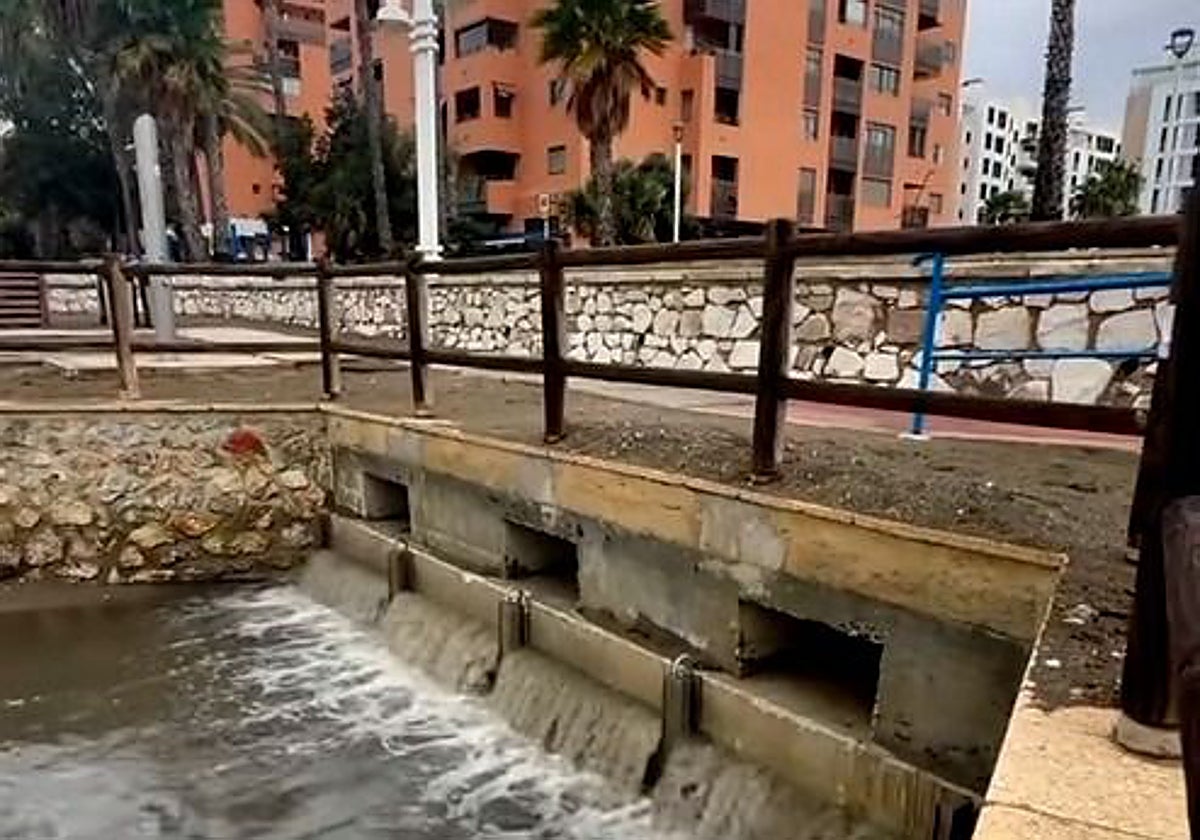

Malaga has reported new faecal discharges along the city's coast due to Monday's rains. For the time being, there are no reports of ... closed beaches due to abnormalities in chemical analyses.
Although this is the "normal" functioning of the way the sewerage system is designed, it is not desirable from an environmental and public health perspective. This is why it is important to advocate the separation of the sewage from the rainwater system.
Related story
-U84046146306zOm-366x256@Diario%20Sur.jpg)
Because of such an incident this summer, Malaga city council closed six beaches with high levels of E. coli in the water.
Why does this happen?
In dry weather, combined systems only carry wastewater from homes to treatment plants. When rainwater enters the system, measures are taken to prevent it from overflowing onto the streets and into toilets.
In the city of Malaga, 55 per cent of the network is currently separate. The aim is to reach 70 per cent. There is a project under way, funded by a phased 44 per cent increase in water bills.
"It hasn't rained enough for this to happen," is the phrase people in Malaga most often say when there are such discharges.
They occur because the flow rate increases exponentially in a very short space of time. The problem is exacerbated by blockages caused by plastic and wet wipes. In any case, it is true that Monday's rainfall barely reached 10mm at the airport, according to data from Aemet (the state meteorological agency).
Monitoring committee
Having sewers separate from rainwater drains is, in environmental terms, desirable: they only carry street dirt to the coast.
It is also true that health checks are becoming increasingly strict. In fact, the city council has just set up a committee to monitor the issue.
To end their reliance on these polluting relief measures, public authorities and water companies are implementing plans based on two major types of infrastructure.
Firstly, storm water tanks. These are massive underground reservoirs built near the coast. When it rains, instead of discharging the wastewater into the sea, these tanks store it. Once the rain stops and the treatment plant has capacity again, the stored water is gradually pumped out to be treated properly.
Malaga city council is planning one for the final stretch of the Guadalmedina river, as part of the project to rehabilitate the historic Carretería sewer.
The second measure is separating the sewerage system.
Coastal monitoring involves visual inspections, the collection of samples and the analysis of these samples to check, among other things, for E. coli. The results enable periodic reports on the health status of bathing areas and any potential impact on water quality. The regional government forwards the findings of these reports to the relevant local authorities so that they can take the necessary measures, including the temporary restriction or ban on bathing.
As soon as it detects abnormal levels and possible contamination, the regional health ministry increases the frequency of these sampling exercises in the area in order to carry out the necessary checks until it can confirm the optimal quality of the water.
![[]](http://static.vocstatic.com/voc26/latest/assets/images/favicon/surinenglish/apple-touch-icon-57x57.png)