
Society
Malaga homelessness figures have doubled over the last two years
Red Cross warns of a growing crisis as more people sleep on the streets of Malaga due to economic hardship and a lack of resources
Cristina Pinto
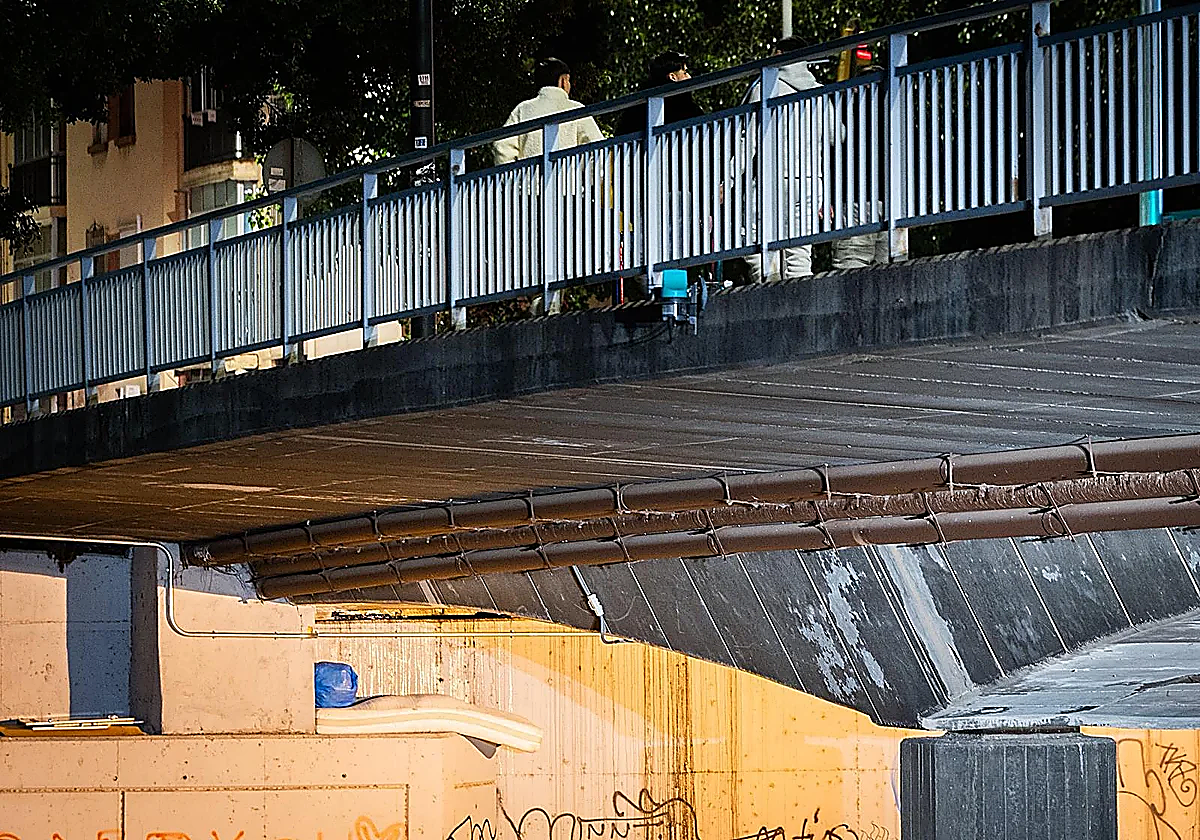
A man, his dog and a good supply of blankets are always present near the La Goleta neighbourhood in Malaga, once you cross the Armiñán bridge. Other five or six people gather at the meeting point along Calle Tejón y Rodrigéz, where they beg those entering the supermarket for some food or money.
Whenever they can, the steal some sleep on mattresses and cardboard boxes they find in nearby containers. A woman has found the 'perfect' shelter next to the entrance of municipal cleaning company Limasam's station.
Santo Domingo and Plaza de Camas are also meeting points for Malaga's homeless people. One of them was found dead on a bench there a few weeks ago.
Related story
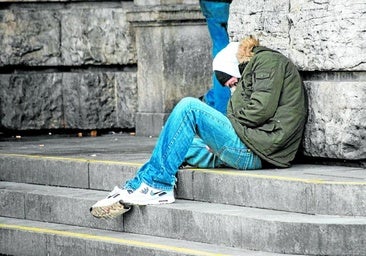
The number of homeless people sleeping on the streets of Malaga is steadily increasing. According to data from the Red Cross, the figure has doubled in the past two years. "Malaga has a problem that we all have to address," head of the Red Cross in Malaga Luis Utrilla says.
"While just over a year ago, we were helping around 150 people through our social emergency unit (nighttime routes distributing food and basic necessities), we are now assisting around 400," he states.
The Red Cross's nighttime service assisted 425 people in the province in the first quarter of 2026. A week ago, the Malaga Red Cross published the 2025 activity report: they assisted a total of 2,100 homeless people in the province (across all the services they offer), 40 per cent more than five years ago.
The last year for which Malaga city council has data is 2024, when it provided 10,858 social and psychological support services to homeless people. It assisted 1,869 people through the Puerta Única resources.
A worsening crisis
The Puerta Única municipal network currently offers 344 places for homeless people, 96 of which are at the municipal shelter. For the remaining 248, the city council collaborates with various social service organisations. In addition, an agreement with San Juan de Dios provides hygiene and laundry services at Santo Domingo.
Councillor for social rights Paco Cantos describes the state of homelessness in the city as "active and constantly changing". "Now that the rains have stopped, the city becomes a transit point. With summer, the number of people sleeping on the streets always rises," Cantos says.
According to the councillor, the city is effectively putting efforts in addressing the crisis. "There are people to whom we offer the resources of our shelters, but because that entails organisational obligations and adherence to schedules and rules, they refuse to accept the help," Cantos states.
Residents are increasingly complaining of people sleeping at their buildings' entrances, sometimes even inside. "We had to call the police because we found a man sleeping in one of the hallways," a doorman in the city centre told SUR.
A family near Calle Comedias experienced the same problem. "One Saturday, leaving home, we found a man sleeping next to the mailboxes," they say, adding that this is making them feel unsafe.
Despite the resources available at Cáritas, the Red Cross and the municipal network, the crisis is worsening and the inhabitants on the streets of the city are growing.
![[]](http://static.vocstatic.com/voc26/latest/assets/images/favicon/surinenglish/apple-touch-icon-57x57.png)