
What To Do
El Borge to hand out 5,000 kilos of grapes during festival
Exhibitions of local crafts, music and food tastings will round off Día de la Pasa in the Axarquía village on Sunday 20 September

Málaga
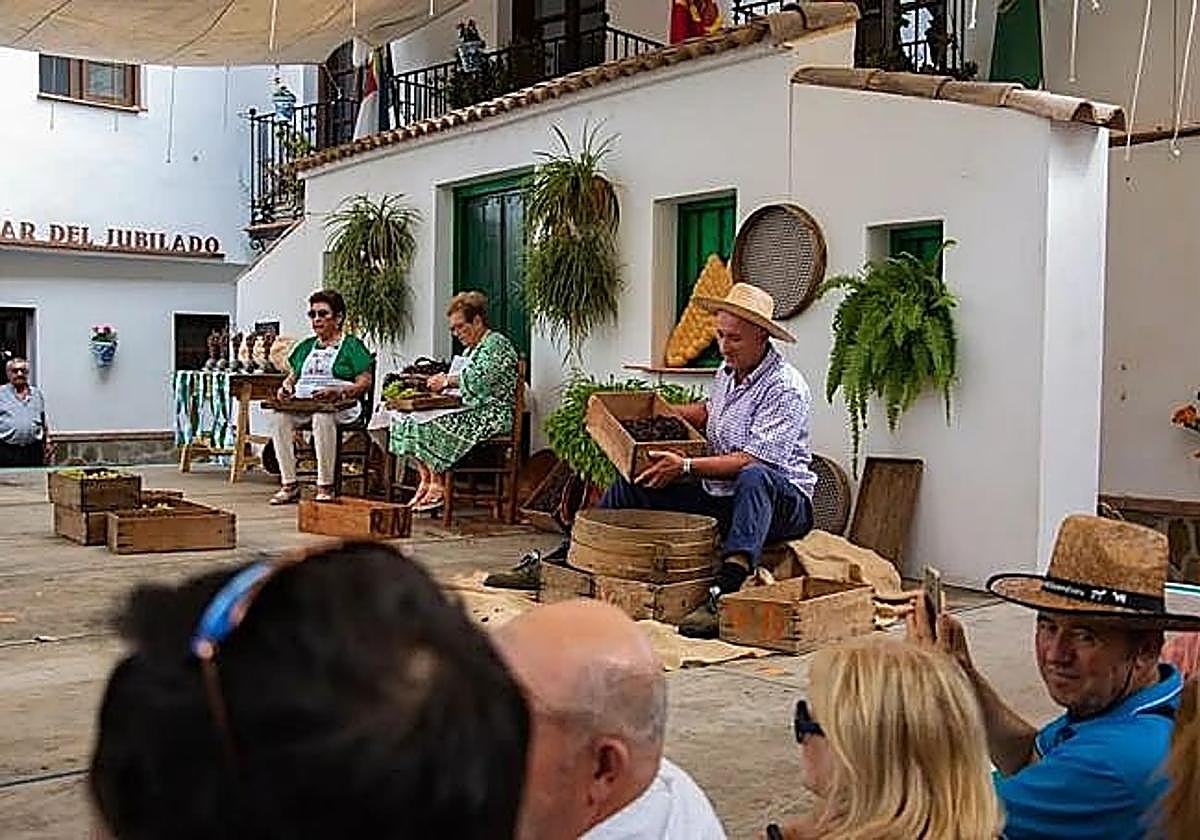
The village of El Borge in the Axarquía area of Malaga province is celebrating its grape harvest on Sunday 20 September with its annual 'Día ... de la Pasa' (raisin day). Now in its 29th year, the event will see 5,000 kilos of Muscat grapes handed out during the day.
The event will start at the Galería del Bandolero (bandit museum) from where the local San Gabriel music society will lead a procession to the centre of the village. There there will be stalls handing out grapes, raisins and local sweet wine to visitors.
There will also be live demonstrations of local trades, beginning in the Plaza de la Constitución with the traditional ‘pica’, the sifting of grain and the filling of baskets weighing over 30 kilos, carried on the head, before continuing on to Plaza del Pocillo, accompanied by the Panda de Verdiales de El Borge, with displays of traditional roles including grape-treading.
Typical dishes including migas (fried breadcrumbs), ensaladilla cateta (traditional salad with local ingredients) and locally produced cured meats will also be available and rounding off the afternoon’s programme will be a flamenco evening featuring performances by the Malabares group, Dani Peña, Crespo Zapata and Jesús Méndez.
Award Winners
During the official ceremony, the town hall will present this year’s institutional awards, which include Plan A tours who will receive the tourism award, healthcare worker Cristóbal Jiménez García will be honoured for his service and commitment to El Borge and the Almenaras association will receive the award for European cooperation and local development’
The production system for Malaga Muscat grapes in the Axarquía is recognised by UNESCO's Food and Agricultural Organization (FAO) and provides a livelihood for some 2,000 families, employing around 800 producers who cultivate approximately 1,700 hectares of vineyards. Respect for this culture and these traditions led the FAO to grant it recognition as a Globally Important Agricultural Heritage System (GIAHS) in April 2018.
![[]](http://static.vocstatic.com/voc26/latest/assets/images/favicon/surinenglish/apple-touch-icon-57x57.png)