
Environment
Uncontrollable fire: what is driving Spain’s wildfire disasters?
Atmospheric instability, rural depopulation and soaring temperatures make Spain's forests a powder keg

Sevilla
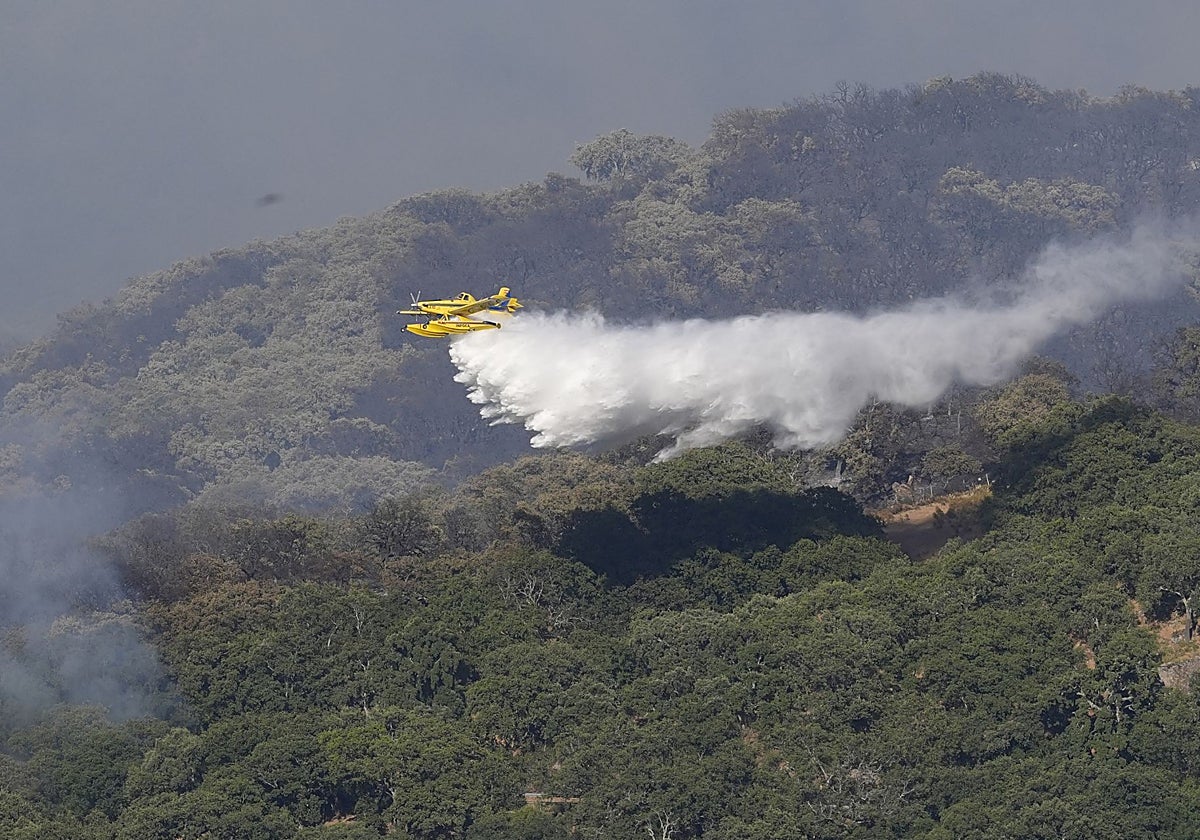
The Iberian Peninsula is facing a profound and worrying shift in the nature of its forest fires. These are no longer isolated incidents confined to ... routine summer occurrences, but a structural phenomenon characterised by a destructive ferocity that frequently overwhelms the operational capabilities of emergency services.
Between 1 January and 29 July 2026, the area affected by fire in Andalucía reached 17,178 hectares - comprising 2,815 hectares of woodland, 7,667 of scrubland and 6,696 of grassland - representing a drastic increase of 11,224 hectares compared with the 5,927 recorded during the same period in 2025.
The number of interventions by the Plan Infoca team in forest areas stands at 524 (205 fires and 319 outbreaks covering less than one hectare), exceeding the 443 recorded during the same period last year. These figures confirm that Andalucía and the Iberian Peninsula as a whole face one of the most complex situations in recent times, placing the region in the midst of "perhaps one of the most challenging years" experienced to date, as the Andalusian Regional Government itself has warned.
Related story
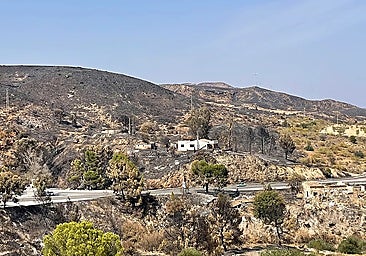
The severity of this new cycle has been etched into the collective memory through the Los Gallardos fire in Almería. Having broken out on 9 July in the Almocáizar area and spread rapidly through Bédar, Lubrín, Antas and Sorbas, the blaze ravaged 5,200 hectares, claiming 14 lives and forcing more than 1,400 people to evacuate. It became the worst forest disaster in the recent history of Andalucía and Spain as a whole before emergency crews brought it under control on 24 July.
Thousands of hectares
Added to this disaster is the fire at Cerro Muriano, in Córdoba, where more than 1,800 hectares burnt during a joint deployment by the Military Emergency Unit (UME) and Plan Infoca in the face of shifting winds; the fire in Santa Elena, Jaén, where around 1,200 hectares were destroyed around Despeñaperros, forcing the closure of the A-4 motorway and leading the Ministry of the Interior to declare a civil protection emergency; and the fire in La Puebla de los Infantes, Seville, which burnt roughly 800 hectares near the José Torán reservoir before it was controlled.
The area affected by fire in Andalucía in the first seven months of the year is three times that of last year
To unpick the factors underlying this acceleration, the Andalusian Regional Government’s First Vice-President and Minister for the Presidency, Health and Emergencies, Antonio Sanz, outlined the structural dynamics that explain why wildfires are now far more deadly.
"For more than a decade, we have been observing a trend towards more virulent and prolonged forest fires," Sanz noted. This phenomenon is primarily due to the increasing continuity of vegetation resulting from the rural exodus that began in the 1960s: "This gradual growth, which is widespread across large swathes of the landscape, leads to high vegetation loads overall and consequently results in fires that release greater amounts of energy."
Furthermore, forest cover grew significantly this year following heavy winter rainfall, which was succeeded by high temperatures that turned the countryside into a powder keg.
Rising temperatures
Global warming acts as a direct trigger, as Sanz explained: "Warmer air means drier air, which subjects vegetation to greater water stress, making it both more likely to catch fire when exposed to a heat source and more likely to spread." This extreme dehydration of the forest canopy destabilises atmospheric conditions in the immediate vicinity of the fire itself.
"Greater temperature differences generate stronger winds, whilst greater flame intensities generate convective columns and consequent erratic behaviour in the spread of the fire," Sanz added - a destructive factor that "drastically reduces the windows of opportunity for firefighting both during the day and at night". The presence of homes at the urban-forest interface also forces a shift in operational priorities, with human safety taking precedence.
The inclusion of Vox - a party sceptical of climate change - has not altered the assessment put forward by the regional government
This technical analysis of the impact of water stress and global warming on wildfires coexists in Andalusia with a unique political framework. The inclusion of Vox in the regional administration - a party that has maintained positions of open scepticism regarding climate change - has not altered the scientific and technical assessment issued by the regional executive. The government has maintained its stance on explaining the physical causes of forest vulnerability, demonstrating that the reality on the ground takes precedence over the ideological stance of its minority partners.
Human factor
At the same time, the regional government insists that the immediate causes of wildfires remain overwhelmingly linked to human activity. Sanz pointed out that 95 per cent of fires are caused by human actions, with a third of these being deliberate acts under police and judicial investigation.
Related story
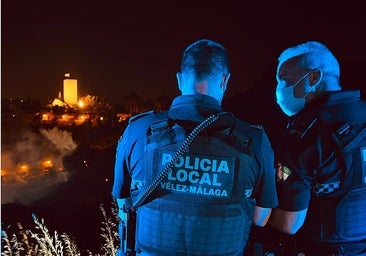
However, the vast majority result from avoidable carelessness, such as the uncontrolled use of machinery: "The use of an angle grinder, due to the sparks it generates if no precautionary measures are taken, can cause a terrible fire."
In response, the regional government is calling for civic responsibility while warning that "the full force of the law will be brought to bear, with all its consequences, on those who are negligent or irresponsible" as part of a summer campaign where prevention is more crucial than ever.
![[]](http://static.vocstatic.com/voc26/latest/assets/images/favicon/surinenglish/apple-touch-icon-57x57.png)