
Tourism
These are the areas of Spain that are least prepared for campervan or motorhome tourism
An Aseicar study reveals that many coastal and mountain municipalities are reluctant to facilitate this activity
A. Noguerol
Madrid
The boom in motorhome tourism in Spain is facing a paradox: while the sector is growing unabated, the attitude of many municipalities, especially in areas of great tourist attraction, is still one of reluctance to accept this activity.
A recent study by the Spanish association of the caravan industry and trade (Aseicar) has shown that regions such as Asturias, Cantabria and Andalucía are among the least prepared and most reluctant to welcome this type of tourism, despite the significant income it generates.
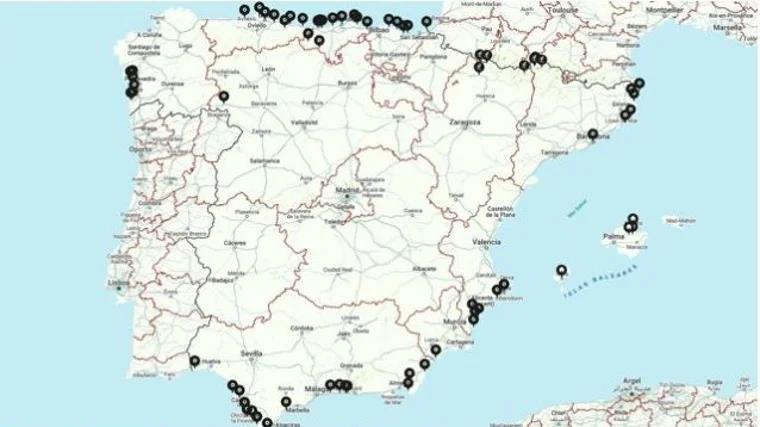
The research, based on a survey of almost 1,000 motorhome owners, has drawn a map of 'black points' in the country. In some municipalities, especially along the coast and in areas of high tourist influx, greater difficulties parking and poor infrastructure have been reported. Mountain and inland areas have proved to be better prepared.
The places with a clear intolerance towards motorhome tourism are: Asturias, with Gijón, Llanes or Castro Urdiales; Cantabria, with Noja and Suances; Andalucía, with Tarifa, Chipiona (Cadiz), Nerja, Estepona or Benalmádena (Malaga), Almería (Cabo de Gata, Mojácar, Níjar); Alicante; Pontevedra (Sanxenxo, Nigrán); the Canary Islands and a large part of the Basque Country (Hondarribia, Deba). The situation is similar in Mallorca and Ibiza and in towns close to ski resorts (Jaca, Formigal, Candanchú), where the lack of housing for seasonal workers aggravates the problem and encourages opposition to caravan tourism.
According to Aseicar, the municipalities that most oppose motorhomes refuse to create special areas, fine vehicles for parking and restrict access to cities. This stance limits the economic potential of a sector which, in addition to generating overnight stays and local consumption, contributes to the deseasonalisation of tourism and the distribution of wealth across different geographical areas.
The study also identifies "green municipalities" or "pro-caravan" locations, where motorhome owners are well-received by appropriate facilities: Peñíscola or Benicarló (Castellón); Ainsa or Daroca (Aragón); Cazorla or Baeza (Jaén); Alcázar de San Juan (Ciudad Real); Tudela (Navarra); Baralla and Foz (Lugo); La Bañeza, Zamora, Palencia (Castilla y León). These municipalities demonstrate that collaboration and appropriate regulations can turn challenges into benefits.
Aseicar president José Manuel Jurado says that motorhome and caravan tourism is a phenomenon in unstoppable growth. For this reason, the association extends an offer to municipalities still reluctant to accept it to collaborate and work towards integration.
Five rules of good motorhome and caravan tourism
Aseicar recommends the 'five rules of the good motorhomer and caravanner', which outline tips for travelling and respecting the local environment and community.
1. Leave no trace: The camper should make sure that the parking area is left exactly as they found it, avoiding any damage, however small, and refraining from leisure activities that may harm the natural environment.
2. Be well-received: The caravanner should try to engage with the community by eating and shopping locally, contributing to the wealth and employment of the area. An additional suggestion is to advertise the places where they have felt welcomed, which helps both future tourists and the municipality. Being friendly and respectful to the locals is, of course, essential.
3. Respect and care for the environment: This means not throwing waste on the ground (plastics, cans, cigarettes, paper) and never carrying out polluting actions such as emptying waste water in unauthorised places.
4. Avoid risks and penalties: Check that all the devices in the motorhome are securely locked; do not obstruct the view of shops and restaurants when parking; ensure that pets do not disturb other people; comply with safety and distancing guidelines (especially relevant in times of Covid-19); comply with traffic regulations.
5. Proper overnight stay: Use sites specifically designated for this purpose, mainly motorhome areas and campsites. In the absence of these, parking should be on streets, wide areas or open car parks on the outskirts of towns and cities. If the intention is to camp (extend facilities outside the perimeter of the vehicle), the appropriate place is always a campsite or those areas expressly permitted for overnight stays.
![[]](http://static.vocstatic.com/voc26/latest/assets/images/favicon/surinenglish/apple-touch-icon-57x57.png)