
Rail transport
Spain train drivers' strike next week called off following new rail safety agreement
CCOO, UGT and SCF unions also suspended their separate industrial action on Thursday after reaching a deal on staffing and working hours, although CSIF rejected the proposals
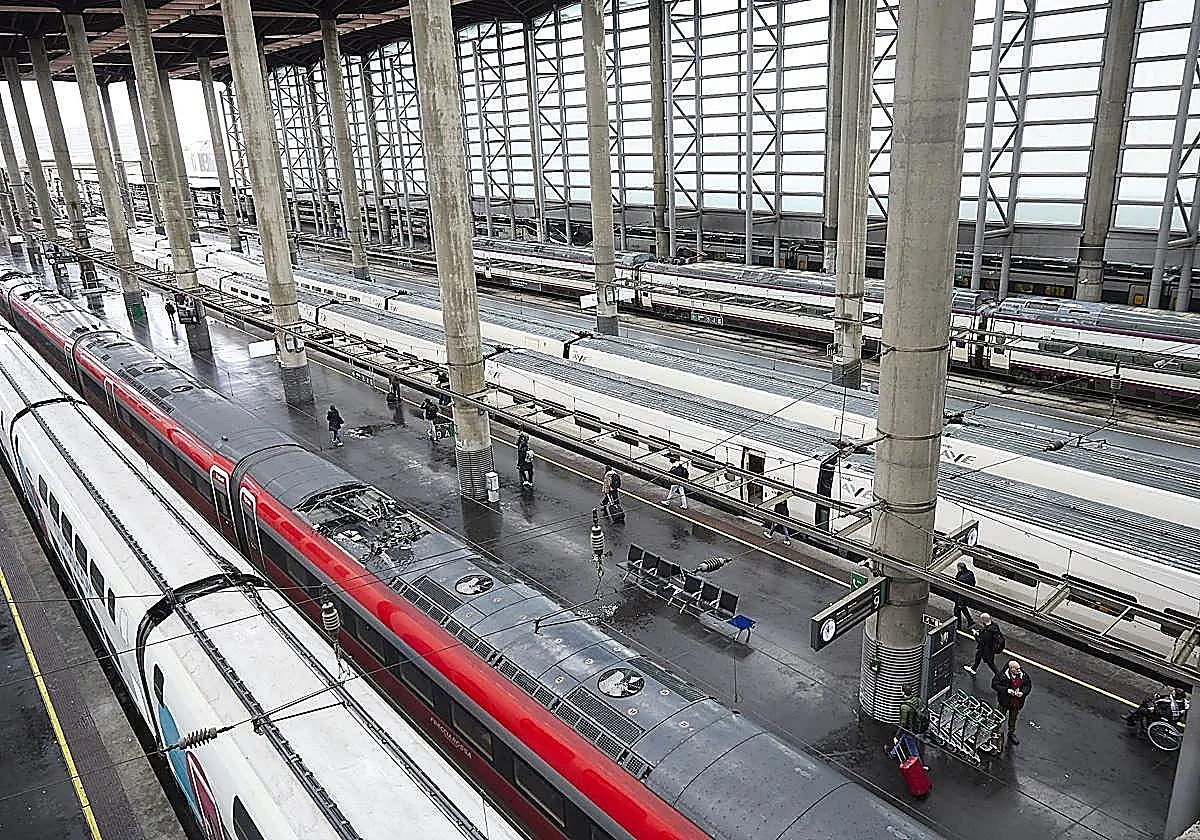
CPS
The Semaf (Spanish union of railway drivers) has called off the strike planned for next Monday, 23 November, after reaching an agreement with the government and rail operator Renfe on railway safety that unblocks commitments pending since February and incorporates structural improvements, including the approval of a protocol for action against adverse events.
Sources from the Ministry of Transport have told Europa Press that this agreement puts an end to labour disputes in the railway sector.
"This consolidates the roadmap to strengthen the safety and reliability of our trains. It includes measures such as limiting driving and rest times and a new weather alert protocol that sets thresholds in Aemet's forecasts to determine the safe operation of trains," Transport Ministry sources stated.

Semaf's statement highlighted that the agreement transforms the demands of the group "into normative, operational and verifiable realities" and allows putting an end to the breaches carried over from the February 2026 agreement that motivated the call for strikes.
The train drivers' union explained that reaching an agreement on the protocol for action in the face of adverse events was crucial in unblocking the rest of the negotiations and assured that the agreed measures "raise the safety standards of the railway system".
"This mobilisation of train drivers for safety has marked a turning point in our sector. It represents a new beginning that opens a path of action for the workers who are on the front line against those responsible for the railway system," the union stressed.
Semaf's strike cancellation adds to the one announced the CC OO, UGT and SCF unions announced on Wednesday. They suspended the demonstration on Thursday after getting the Ministry of Transport to accept their demands on staffing levels and regulation of working hours.
Conversely, the Independent CSIF union rejected the agreement, calling the proposals "absolutely insufficient".
Contents of the agreement
The agreement between the government, Renfe and Semaf features a package of measures regarding railway safety, working conditions, training and investments in rolling stock.
The pact takes as its precedent the agreement of 9 February and the ministry's commitment sheet of 17 November.
In the labour and regulatory field, the text includes the extension of the system of reduction coefficients for the retirement age to the staff of railway companies, as well as the modification of the regulations on the interruption of driving times and the incorporation of the "fair culture" in the railway sector law.
Furthermore, the Ministry of Transport is committed to expediting the final approval of the preliminary agreement for the fourth Renfe collective agreement, whose negotiating committee is meeting next week.
The parties have agreed to reduce the training period for entry-level train driver positions at Renfe to one month for all candidates in the 2026 job offer, after which they will be offered permanent contracts. Additionally, two days of annual training will be scheduled using the necessary instructors and simulators.
Regarding staff care and fleet renewal, the 1990 agreement on the treatment of workers affected by road accidents will be applied through a binding instruction.
On the other hand, a budget of 110 million euros is planned between 2027 and 2029 for the complete renewal of the air-conditioning equipment of the entire public service obligation equipment fleet.
On the technical front, Renfe will present a signed corrective plan to control and rectify, as a priority, the technical and safety problems of the 106, 452 and 453 series trains.
The document states that each open case will have a specific date and a protection measure, maintaining the removal of the material without automatic return due to expiration of the deadline if there is no provisional measure that controls the risk.
The agreement incorporates a weather alert protocol for the general interest railway network that contemplates the suspension of service at medium, high or unidentified risk points until the red alert level ends.
Furthermore, it empowers the train driver to stop traffic immediately in the safest place if they perceive a serious and imminent risk, regardless of the current alert level.
Adif will also expand the information it requires from Aemet (with 48 and 72 hour forecasts), prepare a list of particularly vulnerable sections at the end of the year and start publishing the temporary speed limitations on the conventional and metric gauge network daily.
Finally, to ensure compliance with the agreement, follow-up meetings will be held on the first Wednesday of each month, a monthly channel of communication will be maintained between AESF, the labour inspectorate and Semaf and the development of confidential risk reporting systems will be addressed in the shared risks committee.
Access the broad Spain national news archive
