
Traffic
Spain sets minimum age for riding electric scooters at 15
Most of the new measures come into effect on 1 October 2026
Claudia Kittsteiner Simón
The Spanish cabinet has approved a traffic reform, with which the government seeks to strengthen road safety and offer greater protection to the most vulnerable road users. Most of the measures will come into effect on 1 October 2026, but some will be implemented a year later.
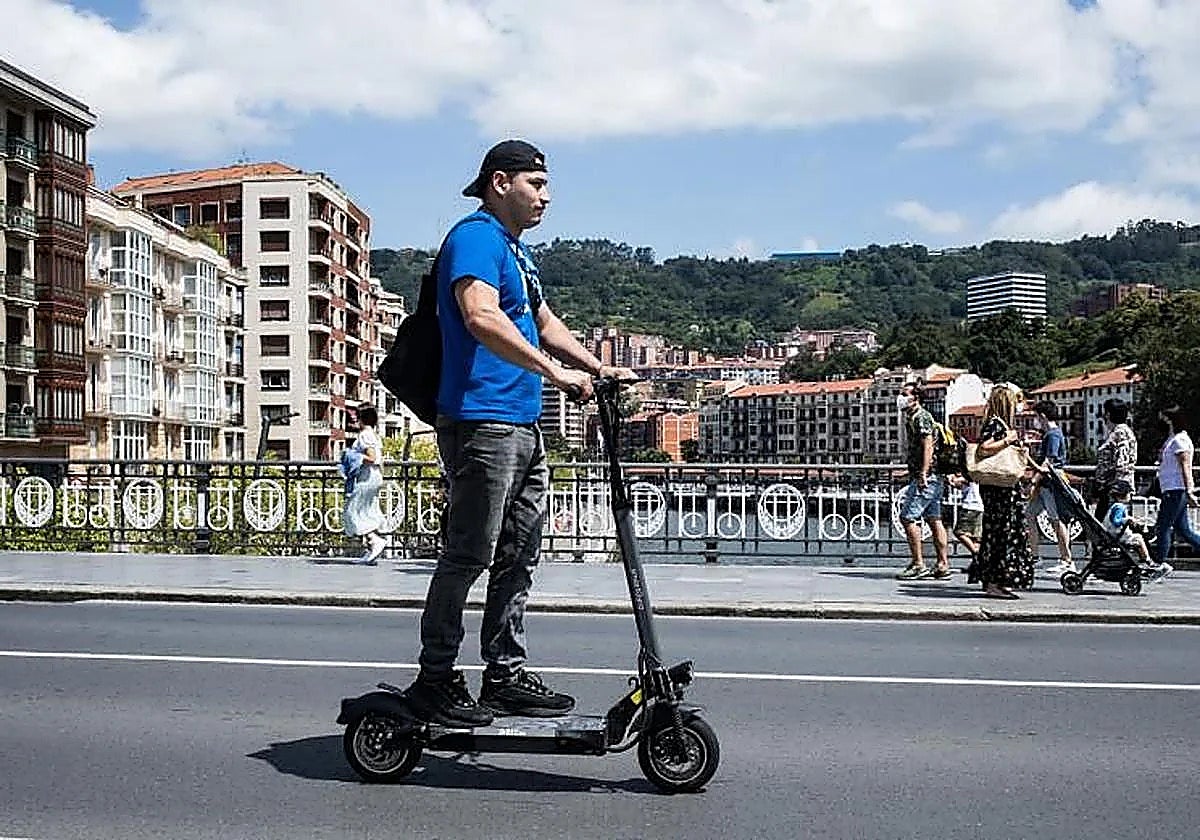
One of the most significant changes concerns personal mobility vehicles, such as electric scooters. Users will need to be at least 15 years old to ride them. They will also have to wear helmets to do so.
In addition, they must ride with their lights on and wear reflective gear at night or in low visibility. For those using these vehicles for work, a reflective vest is mandatory at all times.
Related story
-

Road safety
José Carlos García
Failure to comply with these rules may result in a 200-euro fine. Regulations allow their use outside of cities on bike lanes and other routes separated from motorised traffic.
The new rules also aim to increase cyclist safety. Drivers overtaking cyclists will have to reduce their speed by at least 20 kilometres per hour from the limit and completely change lanes on roads with multiple lanes in each direction.
Cabinet has removed some exceptions that allowed riding without a helmet on intercity roads. Delivery drivers who ride a bicycle will also have to wear both a helmet and a reflective vest.
In cities, cyclists will be allowed to ride in the centre of the lane and motor vehicles must maintain a minimum distance of five metres when following them. Furthermore, local councils may authorise two-way cycling on single-lane streets with a speed limit of 30 kilometres per hour or less.
Motorcyclists may use the hard shoulder in traffic jams, provided signs permit it and speeds stay below 30 kilometres per hour. They must wear closed footwear and, on interurban roads, protective gloves. Moped helmets must meet safety standards and delivery riders on two wheels must also wear high-visibility clothing.
The reform also changes seatbelt exemptions. It removes previous permissions for taxi drivers, delivery workers and driving instructors, although it keeps an exemption for medical staff treating patients in ambulances during emergencies.
Other changes include a new requirement for pedestrians to wear reflective items on interurban roads at night or in low visibility. In snowy conditions, vehicles must keep to the right-hand lane and leave the left lane clear for snowploughs and emergency services.
The new rules also formally recognise 'safe school routes' and, for the first time, define a 'vulnerable road user' category. This covers people who face a higher risk of serious injury because of who they are or how they travel. The government says these measures place Spain among the most advanced countries in road safety policy.
Access the broad Spain national news archive
![[]](http://static.vocstatic.com/voc26/latest/assets/images/favicon/surinenglish/apple-touch-icon-57x57.png)