
Emergencies
Spain's single command structure in the face of chaos and crises
From the 'cayuco' crises in 2006 to the recent emergency in Ceuta, the government is centralising its powers to overcome administrative and security collapse

Madrid
The establishment of a single command structure in Spain represents one of the most far-reaching and complex mechanisms provided for by the legal and ... political system.
Strictly reserved for situations of extreme gravity that exceed the ordinary operational capacity of its regions or individual ministries, this measure seeks to centralise decision-making, pool resources and speed up the state's response.
In recent years, Spain has pressed this emergency button on several occasions, almost always for border management and due to complex migration crises.
Related story
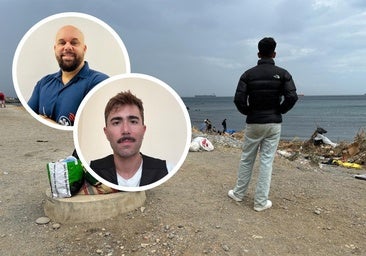
The model on which current measures are based dates back to 2006. During José Luis Rodríguez Zapatero's time as PM, the so-called 'cayuco' crisis completely overwhelmed the Canary Islands with the arrival of nearly 40,000 irregular migrants.
Amid civil and military disorganisation, Zapatero decided to appoint then Deputy Prime Minister María Teresa Fernández de la Vega to head an interministerial commission tasked with harmonising the decisions of different ministries.
The response centred on urgently activating repatriation agreements with Senegal and Mauritania and deploying the first joint patrols with the European agency Frontex in West African waters. This exercise demonstrated that the crisis required a single chain of command.
In September 2018, the massive surge in migrant arrivals in the Strait of Gibraltar and along the Andalusian coast, with an average of 160 arrivals per day by sea, prompted Pedro Sánchez's government to resort once again to this exceptional measure and grant sole command to General of the Guardia Civil Cándido Cardiel.
This structure centralised direct orders to the police, the military, maritime rescue and the Red Cross. In both cases, the single chain of command was a strictly operational and security-focused response at the southern borders.
This same legal and institutional logic was once again put to the test in August this year due to the critical situation in Ceuta. Following weeks of extreme pressure caused by the arrival of 80,000 people and the extreme strain on reception facilities for unaccompanied minors, the government approved a royal decree this Tuesday declaring a "situation of national security interest".
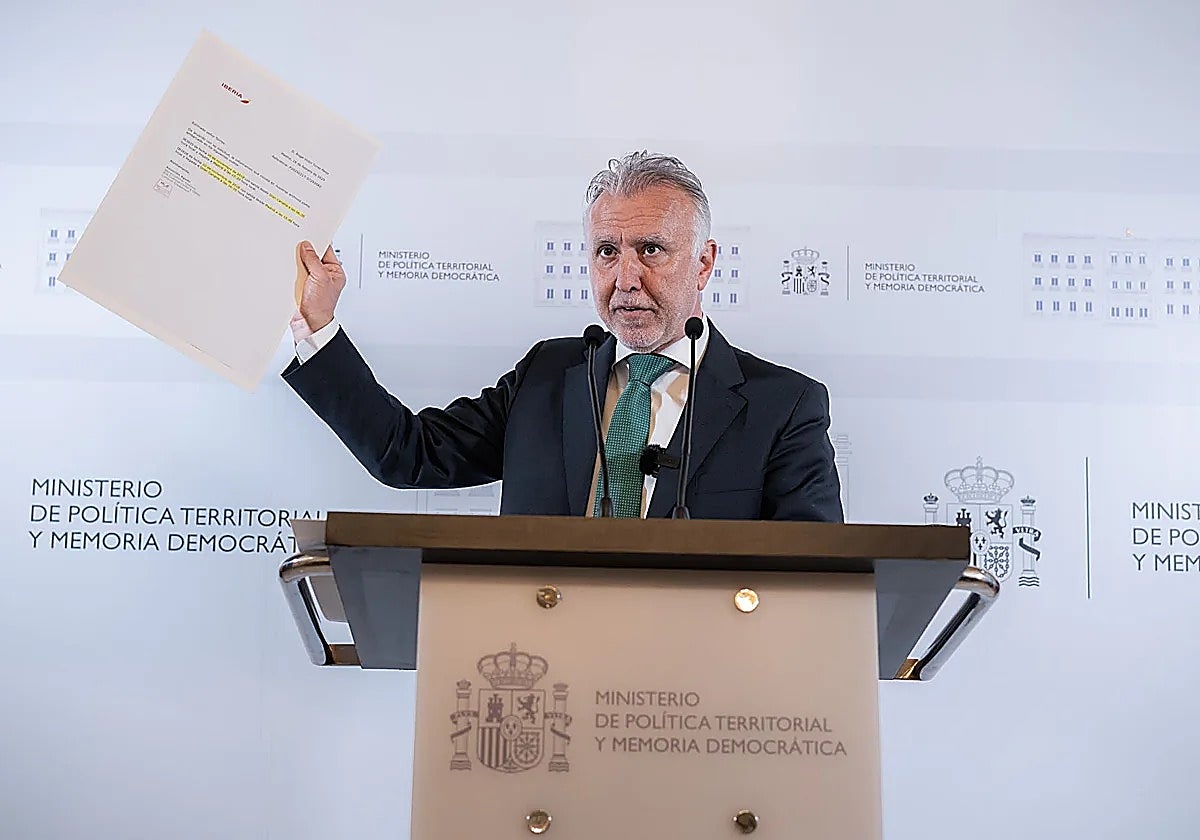
This prompts the establishment of a new unified command structure, led by Minister for Territorial Policy Ángel Víctor Torres. The aim is to harmonise the guidelines of the immigration, defence and social rights departments, as well as those of local authorities, in order to speed up returns, secure the border, safeguard public health in Ceuta through the urgent dispatch of preventive vaccines.
Natural disasters and centralisation during to Covid-19 pandemic
Outside the strictly state sphere, coordination through unified command structures is also key to tackling natural disasters and civil protection. In the event of major forest fires that cross regional boundaries or in the face of systemic civil protection risks, legislation provides for the technical unification of several command structures in order to optimise resources on the ground.
The most drastic and far-reaching precedent in Spanish democracy occurred in March 2020 with the outbreak of the Covid-19 pandemic. By declaring a state of emergency, Sánchez's government assumed, for the first time, unprecedented centralised control, effectively suspending the usual model of co-management.
Four ministries (Health, Defence, the Interior and Transport) organised under a vertical command structure coordinated by the prime minister. This made it possible to requisition medical equipment, mobilise the security forces in a unified manner and centralise the management of hospitals across the 17 regions. Despite the intense political and legal battles that the model sparked, it represented the greatest exercise in civil operational centralisation in the country's history.
![[]](http://static.vocstatic.com/voc26/latest/assets/images/favicon/surinenglish/apple-touch-icon-57x57.png)