
Housing
Spain's rental supply plummets as market loses nearly 400,000 long-term homes since 2018
Available long-term tenancies drop 44 per cent nationwide while demand grows fivefold, pushing average monthly rents for a 70-square-metre flat above €1,000
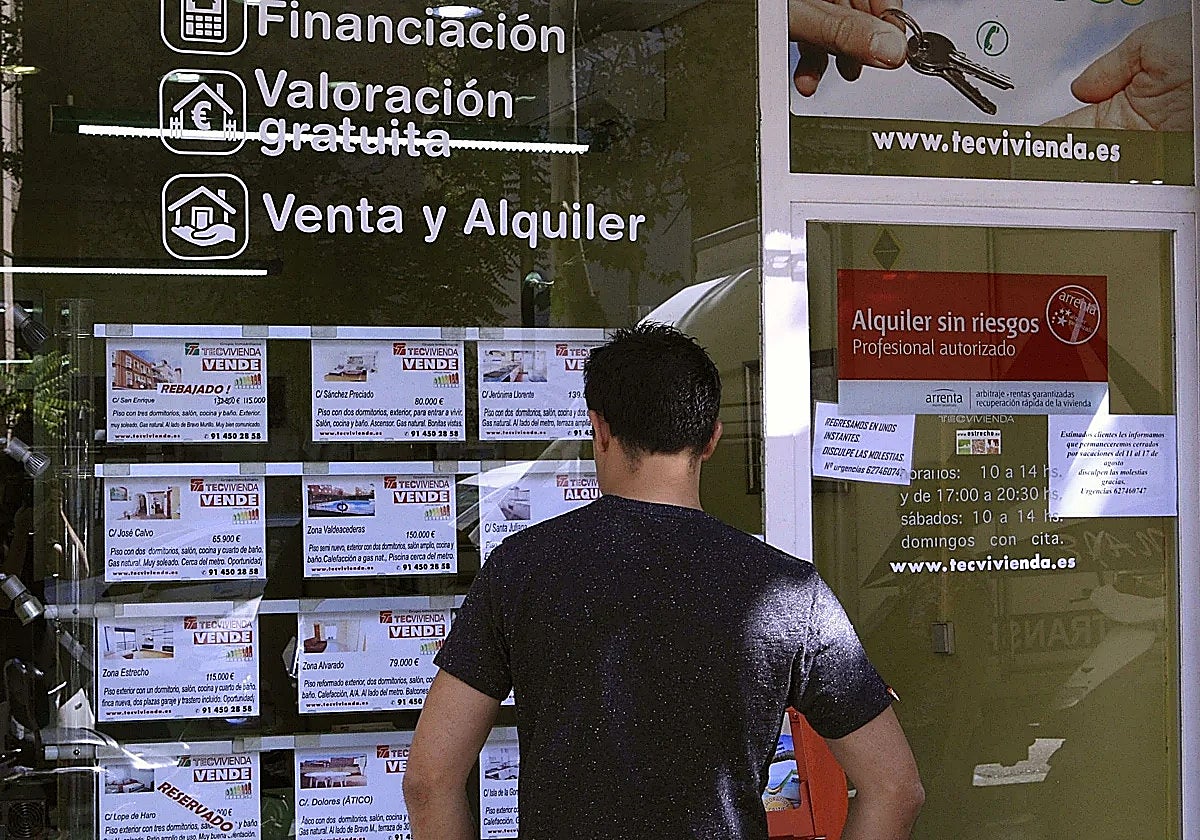

Spain is currently experiencing one of its worst periods in terms of rental supply, with exorbitant prices and difficult access.
The property market has seen ... a reduction of 393,000 permanent rental properties since 2018, which has caused the number of available properties to plummet by 44 per cent. This had left the market with just 510,091 permanent rental properties available by the end of 2025, according to real estate portal Idealista.
While the market remains sluggish, demand for rental accommodation has increased fivefold between 2018 and 2026. All of this is pushing prices upwards, with rents soaring by 5.6 per cent over the past year.
In September, renting a 70-square-metre flat cost an average of 1,057 euros across the country. Although the upward trend is slowing, in large, high-demand cities, financial means alone no longer guarantee that one will be able to find a flat.
Related story

There are many reasons behind the collapse of the traditional rental market. However, industry experts most frequently point to the new regulations the housing act introduced in 2023. They have led to properties being withdrawn from the traditional rental market in favour of more attractive options that allow landlords to maximise returns on their properties and circumvent the new regulations.
This act, the first in the democratic era to deal with housing, has introduced more restrictive rules on standard lettings, which has led to a surge in room-by-room and short-term lettings, as well as holiday lettings, which are subject to more lenient regulations and offer much higher profits compared to standard tenancies.
To combat the "drain" of these properties from the traditional market, the government introduced, as part of one of the decrees Cabinet approved again on Tuesday, new regulations on seasonal lettings and room rentals, which aim to curb the supply of accommodation for periods of less than 12 months.
This decree was approved last week in response to Maricarmen's eviction, but it did not receive the backing of Parliament, meaning it remained in force for only two days. Its repeal left behind a great deal of legal uncertainty, which the sector has denounced.
Meanwhile, the cost of renting accounts for 39 per cent of the net income of an average household in Spain, ten percentage points higher than the cost of buying a home. It exceeds the theoretical threshold of 30 per cent that the Bank of Spain considers reasonable.
Furthermore, the larger the city, the greater the loss of properties. By region, Madrid and Barcelona lead the way in terms of property losses, with 137,411 and 116,151 fewer homes, respectively, followed by Valencia (-20,118), Seville (-17,368) and Asturias (-10,411).
In fact, in 41 of the 50 provinces, the housing stock has shrunk since 2018. However, not all regions experienced a decline: the housing stock increased in Alicante, with 4,312 more homes; Castellón, which added 1,307 more homes; Jaén (+999); Cáceres (+396) and La Rioja (+282).
![[]](http://static.vocstatic.com/voc26/latest/assets/images/favicon/surinenglish/apple-touch-icon-57x57.png)