
Emergencies
Ibiza oil tanker sinking: express towing plan, investigation and wind warning
The Med Emre accident has raised the alarm over a spill of 7,000 tonnes of diesel
Pablo Alcaraz
Valencia
It was pitch-blank on Wednesday night when the Med Emre tanker sank off the coast of Ibiza. At 9.30pm, the vessel, carrying 7, ... 000 tonnes of diesel, issued a mayday. It was having serious difficulty staying afloat in the waters between the Valencian and Balearic coasts.
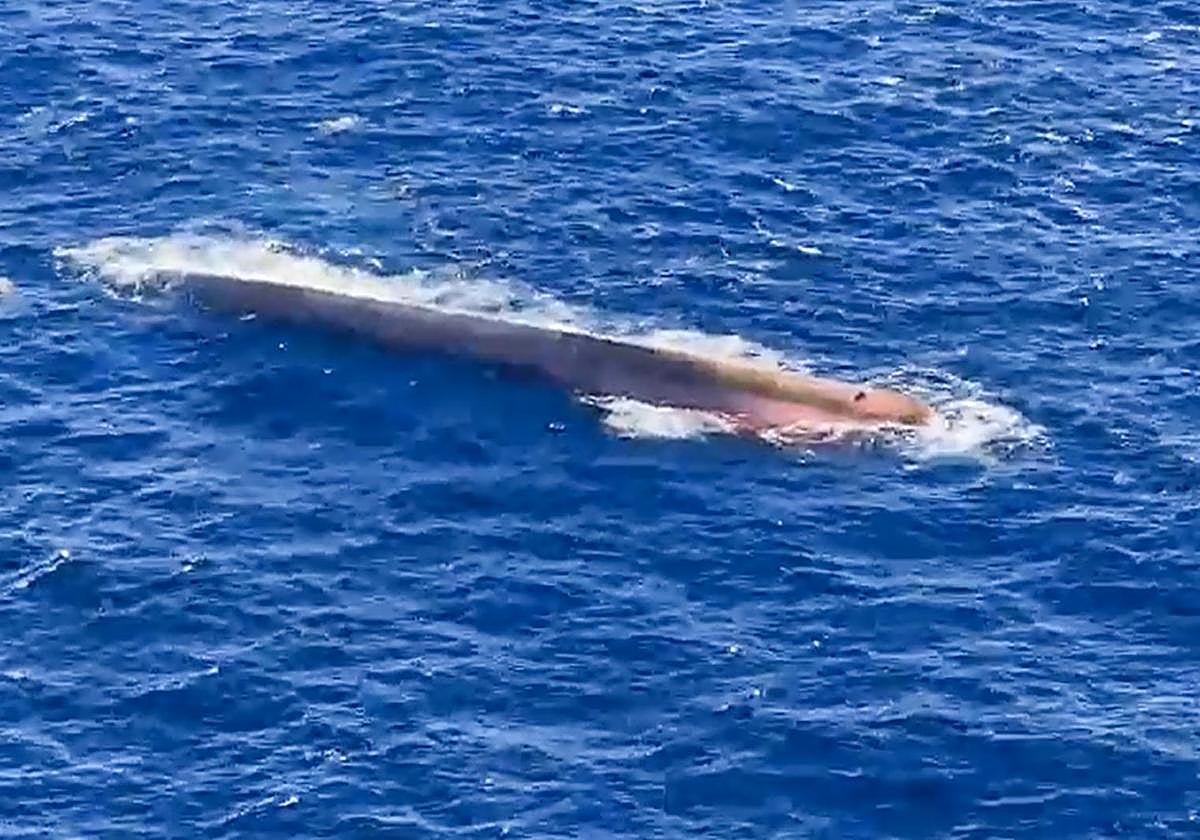
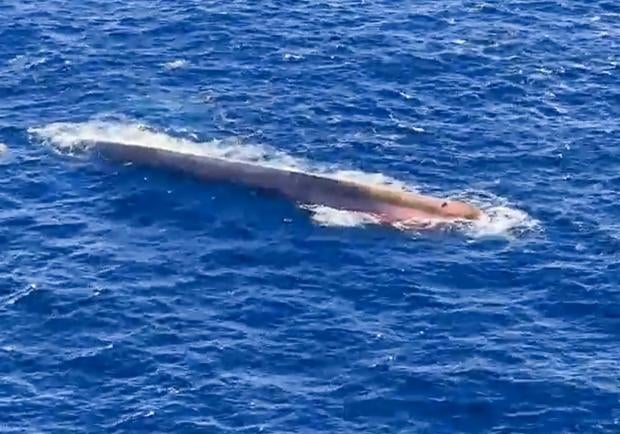
Six minutes after the alert, the vessel reported a leak and a 90-degree list, which ultimately led to it sinking. After an hour and a half of anguish, the ship capsized 180 degrees, ending up with its keel pointing skywards.
The 20 or so people on board were rescued, several of them injured, but one sailor died.
Related story
-
Salvador Vallejo
Many questions remain unanswered, such as the plan for towing the vessel and establishing the causes of the sinking. The teams working on the matter are also vigilant for winds and sea currents in case a fuel leak contaminates the Mediterranean.
The mysterious incident, which the captain attributed to a massive influx of water into the ballast tanks caused by the swell that night, had dramatic implications from both a social and environmental perspective. With every passing minute, the spectre of another Prestige-style disaster, this time ravaging the Valencian coastline, loomed ever larger, with the potential for even worse consequences, as naval and ocean engineering consultant Carlos Montamarta said.
Three years after the Prestige tanker spill, the beaches of Albufera were still stained with tar due to an oil spill, for which the party responsible has still not been identified.
The environmental disaster would be catastrophic in the event of a spill, as marine biology expert José Tena has pointed out. He said that the Posidonia seagrass meadow, some eight kilometres long, stretching between Ibiza and Formentera and declared a Unesco World Natural Heritage Site in 1999, is "one of the largest living organisms on the planet, unique in the Mediterranean". It is at serious risk.
Alarm bells rang out once again when an oil slick was spotted floating on the water's surface 2.6 miles from where the shipwreck had taken place. The authorities denied that there were any traces of pollutants from the cargo or fuel of the sunken vessel, explaining that the substance was the result of waste on board and posed no danger whatsoever. The slick had dissipated by late afternoon on Thursday.
Investigation
The investigators found no structural faults in the visible part of the vessel that would explain why it had sunk. A team of divers continued the investigation on the deck, which remains submerged. Monitoring will check for any potential leaks from the fuel and cargo tanks that could lead to pollution.
The shipowner's plan regarding the towing and unloading of the cargo is currently pending and it must be approved by the port before it can be carried out.
The Med Emre, a Turkish vessel flying the Maltese flag, was located some 30 nautical miles (around 55 kilometres) north of Ibiza and more than 100 kilometres east of Valencia, with a crew of 17 on board. It was sailing from Algeciras to Barcelona.
The incident prompted the activation of various emergency plans, both by the central government and by the regions concerned, Valencia and the Balearic Islands. As a precautionary measure, the directorate-general for the coast and the sea activated the state plan for the protection of the coastline against pollution (plan Ribera) to anticipate any potential impact.
The Balearic regional government activated level 0 of its territorial civil protection plan (Platerbal), as did the Valencian regional government, which declared a pre-emergency state across the whole of the Valencian territory in view of the risk that a diesel spill might affect the coastline or the marine environment.
A large-scale operation comprising rescue vessels, ships specialised in dealing with oil spills, aeroplanes and helicopters was urgently mobilised to the scene. The European Copernicus satellite system was even called upon to map the emergency, with the aim of producing an initial "snapshot" of the damage caused.
Political landscape
The media furore caused by the incident was such that the government sent First Deputy Prime Minister Carlos Cuerpo to Valencia to take part in the meeting to monitor the operations. Cuerpo himself carried out a reconnaissance flight over the epicentre of the disaster to assess the situation first-hand.
Local and regional authorities criticised the central government for failing to communicate Cuerpo's visit. "All coordination has been one-way. We have not received the information from the Spanish government that we would have liked in such cases," the Mayor of Valencia said.
They said that they were waiting for instructions from those in charge of managing the emergency.
